Regulator intervention at London Stadium
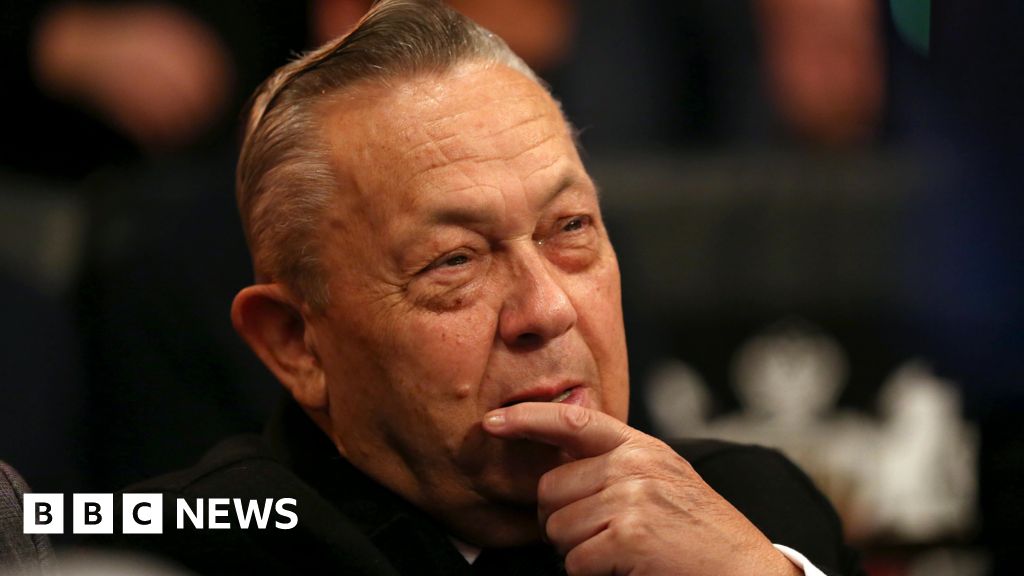
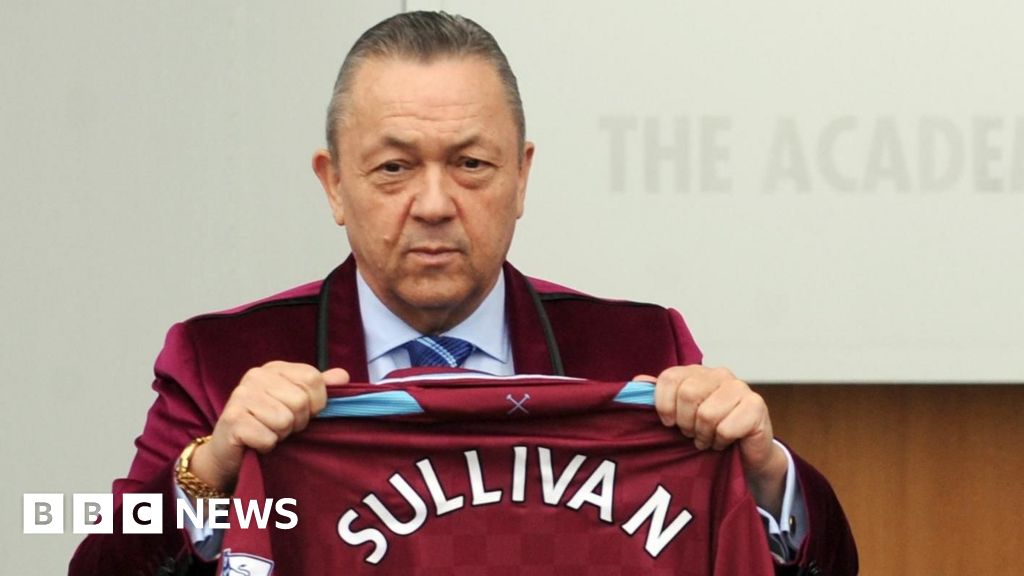
The status of West Ham United ownership is under intense scrutiny. The independent football regulator has publicly stated it is in contact with the club regarding accusations leveled at David Sullivan. These allegations, which encompass claims of power abuse and predatory behavior toward young women, have moved from the periphery into the formal administrative zone.
As reported by the BBC, the threshold for regulatory intervention has been met. This is a Tier 1 situation regarding governance. The investigation involves sensitive accusations from women who were in their late teens at the time of the alleged encounters. The reputational damage to the club is immediate and severe.
Contractual and operational instability
This news hits at the worst possible time for West Ham supporters. The summer transfer window is active, and player recruitment relies on stability at the boardroom level. Prospective signings often perform due diligence on the ownership structure before committing to a long-term contract.
If the regulator concludes that the ownership is unfit or improper, the fallout affects the entire squad's valuation. Players like Jarrod Bowen or Mohammed Kudus might see their future plans disrupted by an ownership change or a potential fire sale. The fear among the fanbase is that these off-pitch proceedings will paralyze the club's activity in the market.
The financial impact of a prolonged investigation is nearly impossible to quantify today. However, institutional investors typically shy away from clubs embroiled in serious misconduct cases. The club's ability to command a premium on commercial deals may drop by 15 percent if the governance concerns remain unresolved during the upcoming season.
Tactical and recruitment ripple effects
West Ham needs a defensive overhaul and additional depth in the midfield this summer. The manager is currently operating with a transfer budget that assumes a stable ownership path. Should the regulator demand a change in control, that budget could be frozen within 48 hours.
The club has struggled with depth issues that became apparent during the final stages of the 2025/26 campaign. Relying on an aging core without fresh investment is a recipe for a bottom-half finish. The current situation creates a vacuum where agents and scouts are hesitant to put pen to paper for the club.
Recruitment strategies require absolute clarity on who is signing the checks. If the chairman’s position becomes untenable, the sporting director will find it difficult to negotiate wages or release clauses. The transfer window will be a disaster if the club cannot confirm the longevity of its current financial backing.
The cost of management failure
The reliance on a single billionaire for decades of club strategy has left West Ham vulnerable. A major flaw in the current model is the lack of diversification in the ownership stake. When the face of the club faces such severe allegations, there is no buffer to absorb the shock.
The club's hierarchy has failed to address these concerns preemptively. By allowing the regulator to dictate these discussions, they have lost control of the narrative. This represents a breakdown in corporate governance that exceeds any tactical error seen on the pitch.
The team's performance relative to its wage bill was already questionable last season. Now, those questions are being overshadowed by the moral and legal failures of the ownership group. Tactical changes in the lineup will be irrelevant if the organizational foundation crumbles.
Assessment of future outlook
The probability of a forced ownership review is high. Sources tracking the independent regulator indicate that this process will move quickly to protect the image of the league. We are looking at a process that could span several months into the new season.
The expected timeline for a preliminary resolution starts after the conclusion of the summer transfer window. If the facts confirm systemic issues within the hierarchy, the board may be forced to resign. This would signal a total reset, likely leading to a new consortium taking control of the club.
The biggest impact here remains the status of the first team. A club in flux is a club that loses its best talent. Supporters should brace for a difficult summer where the headlines are dominated by lawyers rather than medicals or signings. The transition away from the current ownership may happen, but it will come at a high cost to competitive progress.