A title decided on the south coast?
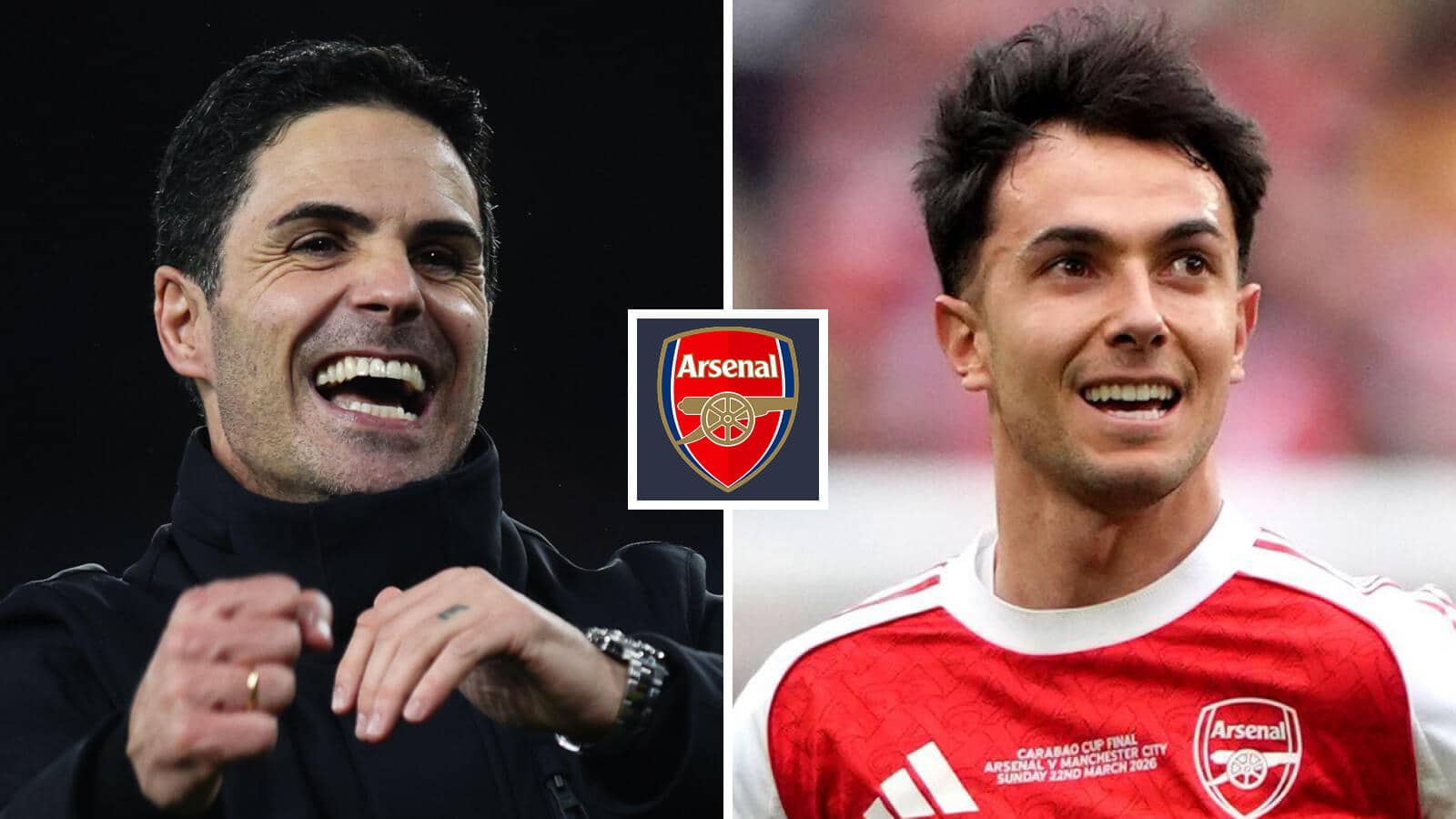
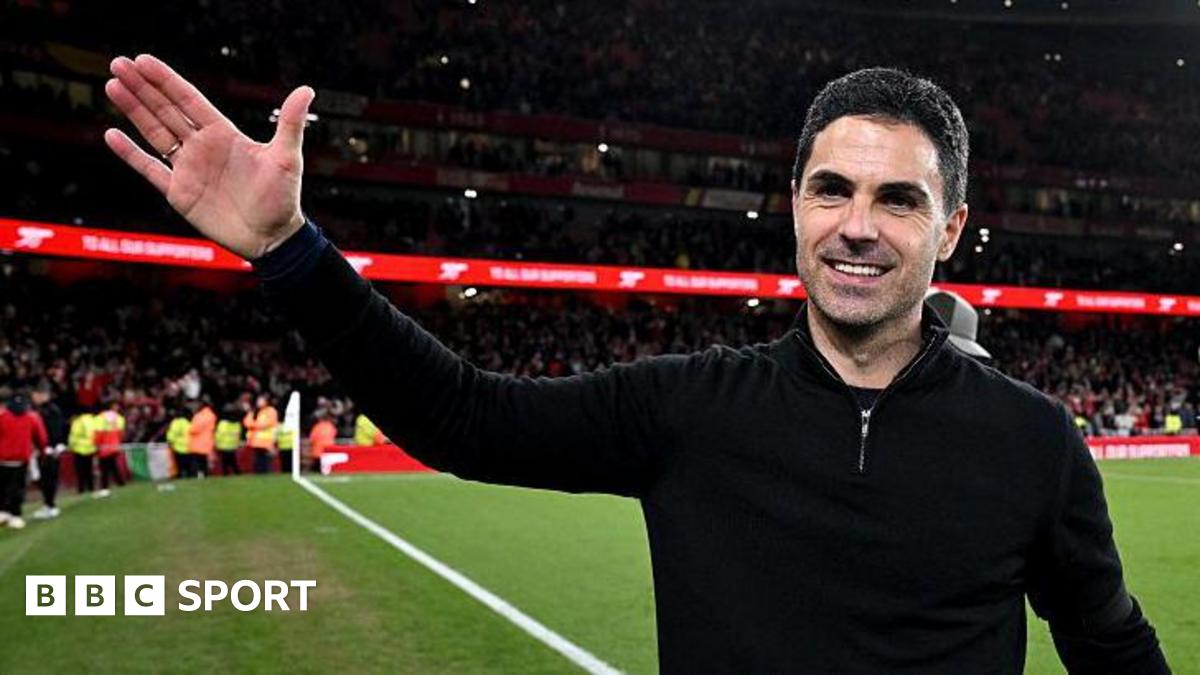
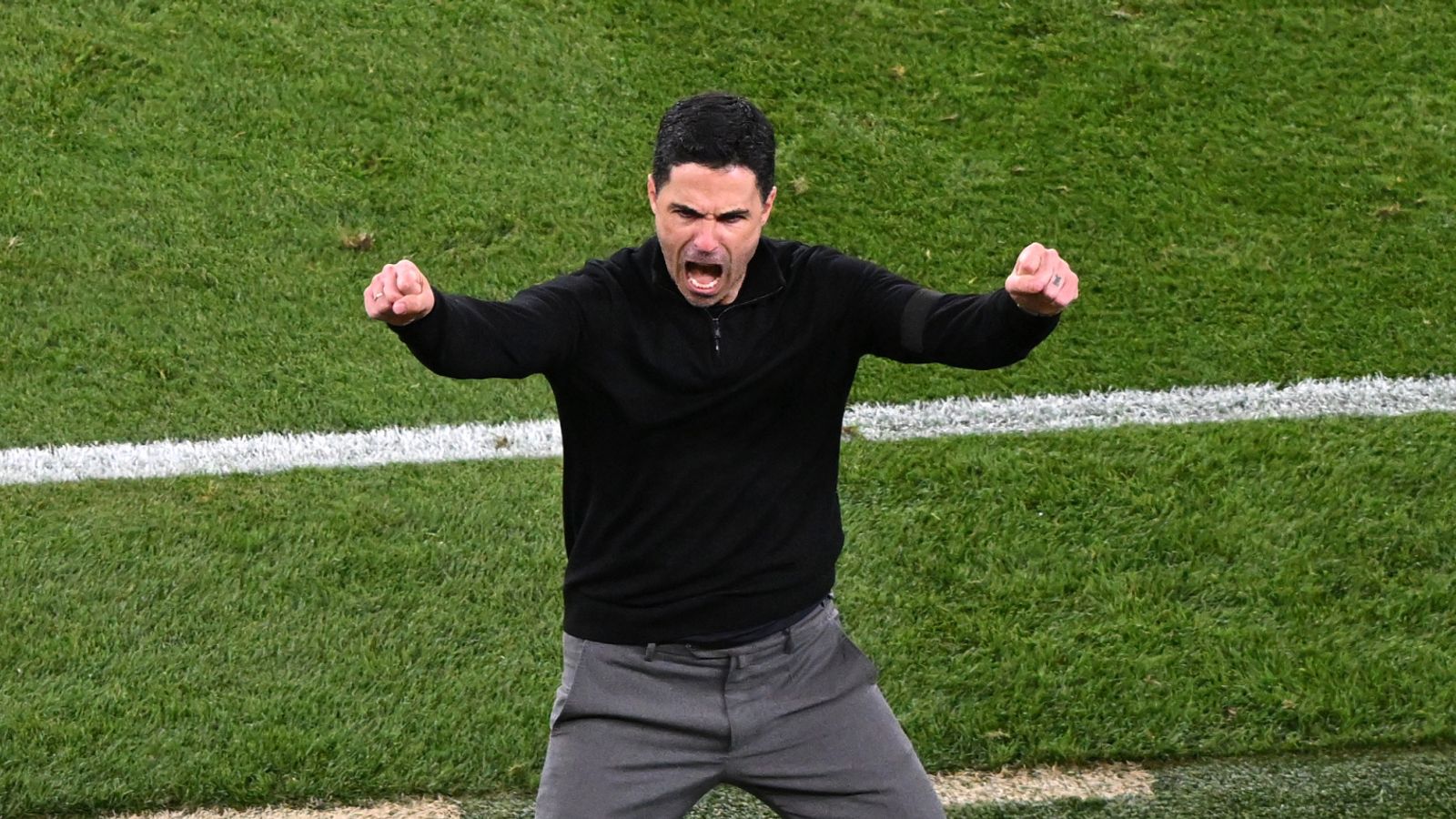
Mikel Arteta isn’t hiding behind managerial clichés anymore. The diplomatic answers are gone. The careful PR spin about focusing strictly on his own dressing room has officially evaporated.
With the Premier League title hanging by a thread, the Arsenal manager admitted what every single fan in north London is thinking ahead of Tuesday night. Speaking to the press with a wry smile that barely masked the anxiety of a season’s climax, Arteta was brutally honest about his allegiance for the evening. He is a man who knows he is completely out of options.
"I'm going to be the biggest Bournemouth fan ever!"
You can’t blame him. Arsenal have done almost everything right in this brutal, exhausting run-in. They have pushed a relentless footballing machine to the absolute limit, grinding out results when their legs were heavy and the pressure was suffocating.
But this is the harsh reality of trying to dethrone Pep Guardiola. You don’t just need near-perfection over 38 games. You need a massive favor from a complete stranger. You need a miracle on a Tuesday night at a ground that holds barely 11,000 people.
And so, the eyes of the footballing world turn to the Vitality Stadium. Manchester City arrive on the south coast knowing exactly what is required. Win, and the trophy is effectively theirs.
Drop points, and Arsenal could snatch the crown. It is the kind of agonizing, high-stakes drama that makes the final week of the season so terrifying for everyone involved.
The south coast resistance
If you were handpicking a team to cause an upset against City in the final stretch, Bournemouth might not be your first choice historically. But this iteration of the squad is not the compliant, rolled-over opponent of years past.
They press high. They bite into tackles. They force mistakes in dangerous areas. They have built a system that actually wants to play football, rather than just surviving the 90 minutes and praying for the final whistle.
This chaotic, high-intensity style is exactly the profile of football Guardiola usually hates facing when his team is physically fatigued. City have looked surprisingly vulnerable to direct, rapid transitions in recent weeks.
When the midfield shape breaks, there are glaring gaps to exploit. Bournemouth have the runners to expose them. Their forward line has been a revelation this year, holding up play and running channels with a ferocity that will ask serious questions of Ruben Dias and Manuel Akanji.
On the wings, Bournemouth possess the kind of raw, direct pace that City’s high line frequently struggles to contain.
But let’s be entirely realistic about the defensive task here. Trying to stop an attack orchestrated by Kevin De Bruyne and finished by Erling Haaland is a waking nightmare.
Ederson will be sweeping up behind the City defense, practically playing as an extra midfielder to suffocate the counter. Bournemouth will need a flawless performance. They will need their goalkeeper to play the game of his life.
They will need every single bounce of the ball to go their way. And even then, against a team of City's caliber, it might fall miserably short.
The inevitability of the machine
We have seen this exact script play out too many times. The pressure mounts, the media narrative demands a dramatic slip-up, and City simply pass their opponents into absolute submission. It is a suffocating, almost clinical process.
They don’t panic when they go a goal down. They don’t rush their build-up. They just keep working the angles, moving the opposition block from side to side until the physical and mental resistance shatters.
This is where the criticism of Arsenal’s campaign inevitably surfaces. For all their brilliance and attacking flair, relying on a mid-table side to do your dirty work in the final week is a perilous strategy.
Arsenal dropped points earlier in the campaign—those tight, frustrating draws and singular defensive lapses against supposedly weaker opposition—that allowed City to climb back into the driving seat.
When you hand Guardiola control of his own destiny, he rarely gives it back. Arsenal are currently praying for a mistake that they themselves failed to force when they had the chance.
The mental toll on City, however, shouldn’t be entirely dismissed. They are chasing history, and the weight of expectation is enormous. Even machines show wear and tear by May.
Rodri has played an absurd amount of football this season, dragging his body through the midfield battles week after week. The defensive line has been shuffled repeatedly due to nagging injuries. There is a fragility there, hidden beneath the possession stats, if Bournemouth are brave enough to test it.
What to watch for tactically
The key tactical battleground will be the wide areas. City love to overload one side of the pitch, drawing the entire defensive structure out of shape, before rapidly switching the ball to an isolated winger.
Bournemouth’s full-backs are going to be under relentless siege from the very first whistle. If they sit too deep and invite pressure, City will camp on the edge of the penalty box, waiting for the inevitable cutback and a first-time finish into the bottom corner.
Bournemouth have to push up. They have to disrupt the build-up before it reaches the final third. It is a massive risk. Pushing up leaves acres of space in behind, and nobody exploits space quite like Phil Foden making a blind-side run.
It’s a choice between dying slowly in a low block or going down swinging with a high line. Bournemouth's setup suggests they prefer the latter. That alone makes this a fascinating watch.
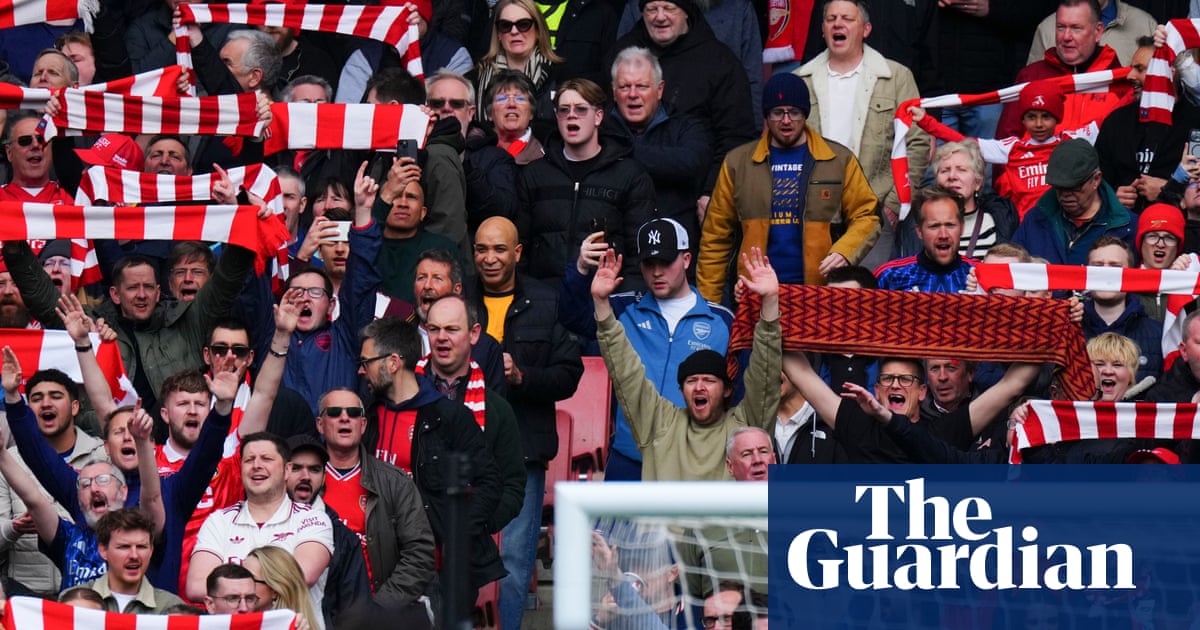
Arsenal fans will be screaming at their televisions with every tackle, every misplaced pass, every chaotic transition. The Emirates faithful will be analyzing Bournemouth's shape like UEFA Pro License holders.
For 90 minutes, the streets of north London and the pubs of the south coast will be united in pure, desperate hope.
Ghosts of title races past
Football history is littered with teams who thought the job was done, only to stumble at the final hurdle. We all remember Chelsea fighting back against Tottenham to hand Leicester City the title.
We remember QPR almost giving Manchester United the title before Sergio Aguero intervened. The final week of the season does strange things to players. Legs get heavy. Passes that were routine in October suddenly feel like they weigh a hundred pounds.
Guardiola knows this better than anyone. He will have spent the last 48 hours drilling into his players that Bournemouth are not on a beach. He will demand intensity from the warmup onwards.
There can be no complacency. If City show up expecting a coronation, the home side is good enough to punch them in the mouth.
Meanwhile, the Arsenal squad will likely be watching together. The dynamic in that room must be unbearable. Bukayo Saka and Martin Ødegaard, players who have carried the creative burden all year, forced to sit on a sofa and wait.
Professional athletes, men who are used to dictating their own fate on the pitch, reduced to mere spectators praying for a deflection. It is a cruel, unusual punishment that only a title race can inflict.
The final verdict
Football loves a fairytale, but it usually bows to ruthless quality. City have too much on the line and far too much firepower to let this slip away.
Bournemouth will make it uncomfortable. They might even score first to send the Arsenal fanbase into temporary delirium. But Guardiola’s men know how to suffer, adapt, and survive.
Expect a tense, frantic opening 30 minutes, a decisive breakthrough before halftime to settle the nerves, and a clinical second-half performance to ruthlessly seal the deal.
Arsenal’s title dreams will likely end not with a dramatic collapse, but with a methodical, cold-blooded 3-1 Manchester City victory.
Read Next