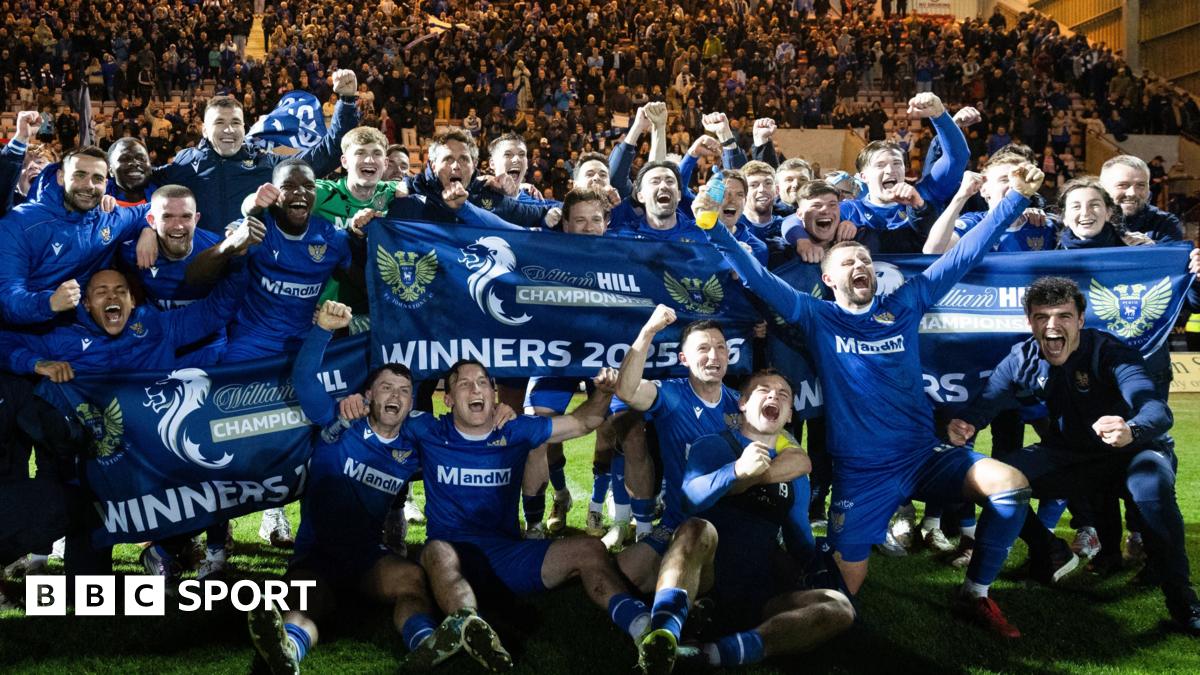
The predictable relegation injury crisis
I have covered injuries in Scottish football for a long time. The pattern for relegated teams is incredibly predictable. A team goes down and immediately loses their highest earners.
They are forced to rely on a smaller squad of senior professionals. Untested academy graduates are suddenly thrown into the deep end. Then the fixtures start piling up.
The Scottish Championship is not a division for the faint of heart. It is relentless, physical, and played on heavy pitches. Those surfaces degrade rapidly between October and March.
This exact environment is a breeding ground for soft tissue injuries. Yet St Johnstone somehow completely bypassed the traditional medical crisis. They avoided the trap that hits almost all relegated clubs.
Building an emphatic start in the treatment room
When the BBC describes St Johnstone’s season as their most enjoyable since the Tommy Wright years, they focus on results. As a medical reporter, I look at the data behind those results. You simply cannot secure an immediate Premiership return without a near-empty treatment room.
An emphatic start requires your absolute best starting XI. You need those players on the pitch for the first eight weeks of the season. To achieve that, the pre-season preparation at McDiarmid Park must have been flawless.
Historically, teams trying to bounce back immediately suffer a severe spike in muscle fatigue. This usually hits around late November. Heavy pitches combined with mid-week fixtures lead to a massive increase in muscle tears.
Grade 1 and Grade 2 hamstring tears become routine. Calf strains turn into an epidemic. Groin issues linger because desperate managers are forced to rush key players back ahead of schedule.
St Johnstone’s medical staff clearly saw this coming. They implemented a rigid load management protocol. This strategy successfully kept their core players out of the red zone all year.
Mirroring the Wright era resilience
Think about the Tommy Wright era. His St Johnstone squads were legendary for their sheer physical robustness. They played a highly demanding style, but they rarely looked burned out.
"Most enjoyable season since Wright years"
They bullied opposing midfields in the channels. They dominated second balls from the first whistle to the last. That kind of physical dominance is entirely impossible if your players are carrying knocks.
The current squad has directly mirrored that Wright-era resilience. They didn't just outplay teams on a technical level. They outlasted them physically as the months dragged on.
In modern football, availability is the single most valuable trait a player can possess. You can have the most technically gifted midfielder in the division. If he suffers a syndesmosis ankle sprain in September due to fatigue, his technical ability is totally useless.
Avoiding the Championship injury traps
The Championship is famous for catastrophic contact injuries. A tired player is a fraction of a second late to a tackle. Suddenly he is looking at six weeks in a knee brace.
St Johnstone avoided these massive impact injuries. This heavily suggests their players maintained high cognitive sharpness late into games. That mental sharpness comes directly from elite cardiovascular conditioning.
The sheer volume of matches in the second tier requires a unique fitness baseline. It is a completely different physical challenge compared to the Premiership. In the top flight, teams often play once a week.
That weekly schedule allows for proper micro-cycles of muscular recovery. The Championship, however, demands blunt-force endurance. You play Saturday, do shape work Monday, and play again Tuesday night on a freezing pitch in Arbroath.
To come through that meat grinder without a cascade of muscle injuries proves the absolute competence of the club's fitness coaches. They managed the squad perfectly.
The brutal transition back to the top flight
Now, the focus must shift entirely to the summer. The transition back to the Scottish Premiership presents a totally new medical challenge. The Championship requires stamina, but the Premiership requires explosive speed.
The total distance covered in a match might be similar across both leagues. However, the volume of high-intensity sprints is significantly higher in the top division. Chasing shadows against Celtic or Rangers forces players to routinely hit top sprint speeds.
If St Johnstone try to rely on their Championship endurance base next season, they will fail. They will get torn apart by soft tissue injuries by late August. The medical department must completely rewrite their conditioning programs immediately.
They need to transition the squad from long-distance runners into sprinters. This means specific gym work focused entirely on eccentric hamstring loading. They must also introduce heavy plyometric routines.
If they get this physical transition wrong, the joy of this title win will evaporate very quickly. Promoted teams often look sharp for the first month while running on pure adrenaline. Then, around early October, the physical jump in class catches up with them.
The hidden cost of promotion
Hamstrings pop. Groins tighten up under the increased pressure. Suddenly, a team that stormed the lower division is looking at a massive injury crisis. That crisis drags them straight into a relegation dogfight.
The BBC report rightly celebrates their emphatic start to the Championship campaign. But next season requires a different approach. They will need an equally emphatic start to their pre-season medical screening if they want to survive.
Fans do not buy tickets to watch sports science. They buy tickets to watch goals, tackles, and title lifts. But behind every single title lift is a dedicated team of physios, sports scientists, and doctors.
Those medical professionals spent ten months wrapping players in cotton wool. They analyzed GPS data daily. They actively argued with managers about limiting player minutes on heavy pitches.
St Johnstone’s immediate return to the Premiership was obviously built on a foundation of unglamorous medical discipline. They kept their squad healthy and entirely avoided the predictable winter injury crisis. As a direct result, they are heading back to the top flight.
Data proves the medical victory
League-wide injury data paints a very grim picture for relegated clubs. On average, a team dropping into the Championship sees a 20% increase in missed training days. The physical shock of the division is massive.
St Johnstone actively defied this statistical trend. Instead of watching their squad break down, they kept their key rotation players fully fit. This allowed the manager to make tactical substitutions rather than forced injury changes.
When a manager has to burn a substitution in the 40th minute because a full-back pulled a hamstring, the entire game plan collapses. You lose tactical flexibility. St Johnstone rarely faced this specific nightmare scenario.
Their title win is a massive victory for preventative sports medicine. They controlled the variables they could manage. They prepared the athletes for the exact physical demands of the Scottish second tier.
The modern game demands peak athletic conditioning. A technically brilliant squad will always lose out over a 36-game season if they spend half the year on the treatment table. Availability dictates league position. St Johnstone understood this fundamental law of football.