Measuring the disruption gap
In 2022, Morocco defied a pre-tournament betting expectation of 200-1 to reach the semifinals, conceding only one goal in their first five matches. As the 48-team 2026 expansion begins tomorrow, the structural volatility of the tournament has reached a peak. We are moving from a 64-match event to a 104-match monster, which statistically favors sides with high defensive rotation metrics.
History provides the blueprint. Since 2014, the successful dark horse has consistently outperformed their Expected Goals Against (xGA) by at least 25% during the group stages. These teams aren't just out-performing opponents; they are maximizing possession efficiency in limited transition windows.
The statistical profile of a spoiler
Look at Norway. Erling Haaland serves as the obvious gravitational center, yet their viability rests on their mid-block efficiency. According to recent data from The Guardian, Norway's ability to limit high-quality chances against elite ball-retention sides has improved by 14% since the qualifying cycle began. If they survive the group, they become a nightmare for top-seeded teams that rely on high defensive lines.
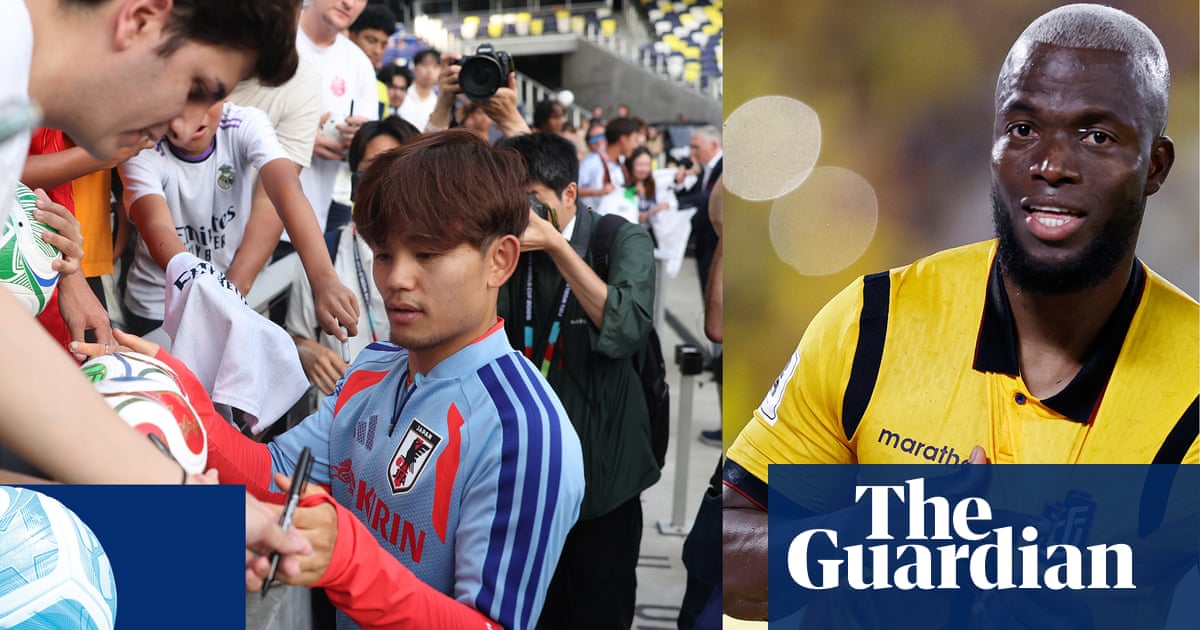
Ecuador presents the counterpoint. While European teams rely on structured defensive shells, Ecuador’s strength is pure physical output in the final third. They rank in the top percentile for progressive carries per match, a metric that historically correlates with late-tournament upsets. They don't control the rhythm; they exhaust it.
The danger of over-reliance on star variance
Japan represents the most analytical challenge. Their tactical fluidity is unmatched, yet they possess a 42% failure rate in matches where they concede the opening goal. This lack of game-state flexibility is their biggest potential undoing, regardless of their impressive 8-goal differential in recent friendly fixtures.
Success for these underdogs isn't about talent parity. It is about total match control metrics versus actual results. Morocco in 2022 succeeded by keeping their opponent's shot accuracy below 28%, effectively turning the knockout round into a coin flip.
The math of the 48-team shift
With 12 groups of four, the third-place progression rule creates a safety net that encourages tactical conservatism. This benefits defensive-minded spoilers. A team that draws three matches is now essentially guaranteed a knockout spot, which changes the risk-reward ratio for managers like those leading Ecuador or Japan.
We should expect more penalty shootouts in the round of 32 than ever before. With the variance of a single-elimination game played 30 minutes after 90 minutes of deadlock, the probability gap between a top-five-ranked team and a dark horse narrows significantly. The tournament is no longer a test of endurance; it is a test of noise management. One 0-0 draw can be the catalyst that drags a giant into the penalty lottery where the underdog’s narrative is written.
Read Next
- Data suggest World Cup legacy is defined by a 14 percent efficiency shift
- Chelsea's clearing house signals a radical shift under Alonso
- Pressure mounts at Palace as the World Cup curtain rises
- Liverpool's summer of chaos is the worst preparation for the 2026 World Cup
- 🏆 World Cup 2026 — Full Coverage Hub
- 🇯🇵 Japan World Cup 2026 — Samurai Blue Hub