
Sometimes you are sitting there, two monitors glowing, trying to make sense of the absolute circus that is the football transfer window. You are scrolling through rumors, trying to figure out why Chelsea is linked with their fifteenth winger of the month, or arguing with a guy named @FootyTactico about inverted fullbacks. And then, a headline drops onto your timeline that hits like a brick wall and makes all of that feel incredibly, incredibly stupid.
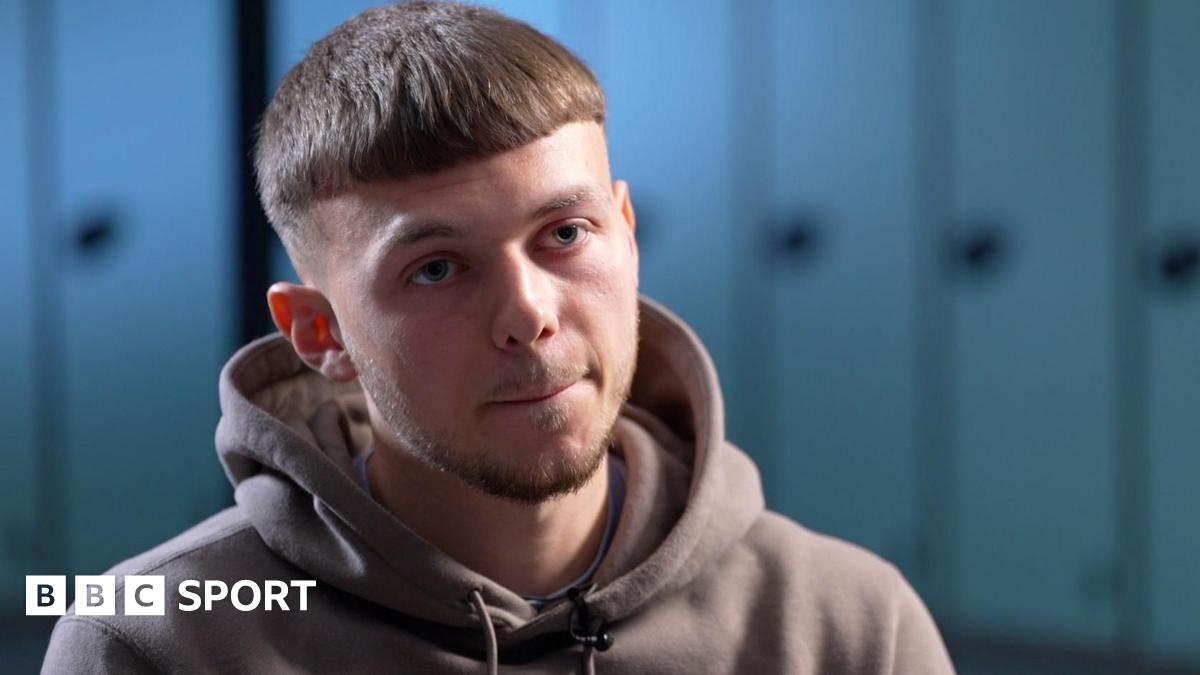
The news that Jonathan Gjoshe was one of the 11 passengers seriously injured in the Cambridgeshire train attack last November—and that he was stabbed seven times—completely derailed the online football community today. Seven times. It is one of those rare, jarring moments where the real world violently punctures our comfortable bubble of weekend escapism. You could literally see the shift happen in real-time across Twitter and Reddit.
Usually, football social media is a hyper-toxic wasteland. If a player sneezes wrong, there are three thousand furious replies calling him a fraud. But today? Absolute silence on the tribalism. The realization of what this kid went through has sparked a completely different conversation. Let us break down how the fanbase is processing this, because the reactions span from pure shock to a really intense debate about how we treat trauma in sports.
The collective reality check
The immediate wave of reaction was purely visceral. When the BBC report dropped, the sheer scale of the violence was trending within an hour. Fans were just trying to wrap their heads around the physical reality of the situation.
We are conditioned to watch peak athletes. We see a guy take a slight clip to the ankle and roll around like he has been struck by lightning. We debate for hours whether a player is tough enough for the Premier League because he did not want to play through a tight hamstring. And then you have Gjoshe, who survived a literal horror movie.
A highly upvoted post on the main soccer subreddit perfectly captured the mood. A user admitted they had just spent 45 minutes arguing that their club's captain is a warrior because he played with a bruised toe. They saw the news about Gjoshe, immediately deleted their draft, and logged off. They admitted they knew absolutely nothing about actual toughness.
That sentiment hit the top of the page almost instantly. People were actively deleting their petty arguments. It was a massive, collective reality check for a fanbase that normally thrives on manufacturing outrage.
The toxic positivity debate
But because this is the internet, the conversation did not just stay at acknowledging his bravery. It evolved, and a really vital debate started bubbling up about how we, as fans and media, handle these situations.
The instinct for sports fans is to immediately look for the Hollywood ending. Within minutes of the news breaking, you saw the narrative forming. People were posting about how they could not wait to see him score the winner in his first game back, or declaring that the ultimate comeback story is loading. It is a natural coping mechanism. We want the sports movie ending where everything works out.
But there was a very strong, very vocal pushback against this from a different segment of fans. The realists started calling out the immense pressure we were immediately putting on a victim of a mass casualty event.
One prominent tactical blogger went viral for demanding the community stop this behavior. They pointed out that Gjoshe survived a massive trauma and does not owe anyone a comeback story. They argued that he does not need to be an inspiration for a morning motivation thread. If he just wants to sit on a couch and play video games for the rest of his life, that should be viewed as a massive victory.
This sparked a huge argument across the timeline. Is it supportive to hope for a return to the pitch, or is it incredibly selfish? My take? The skeptics are absolutely right.
The football machine is terrifyingly good at turning personal trauma into digestible content. We love a redemption arc so much that we forget there is an actual human being dealing with the psychological aftermath of an attack where 11 people were seriously hurt. Surviving is the victory. Kicking a ball again is totally irrelevant right now. The pressure of returning to professional sports is insane without adding the weight of being a national symbol of resilience.
The anger directed at the system
As the initial shock wore off, the secondary wave of reaction hit, and it was pure, unadulterated anger. Football fans are inherently cynical about authority, whether it is UEFA, the FA, or the referees. That cynicism naturally bled over into the real-world implications of the Cambridgeshire attack.
Threads started popping up not just about Gjoshe, but about public safety in general. The fact that an athlete—someone in peak physical condition—was nearly killed on a random Tuesday train ride terrified people. You started seeing fans from London, Manchester, and Birmingham chiming in with their own stories of feeling incredibly unsafe on public transit.
An away-day regular posted on a massive fan forum pointing out the hypocrisy of the situation. They noted that fans pay astronomical ticket prices and travel across the country every weekend to support the league. Yet they are just expected to accept that riding a train carries a massive physical risk.
They argued this is not just about a footballer, but about regular people not being protected. It is a dark turn for a sports forum, but it is completely valid. Gjoshe's status as a footballer just amplified a fear regular commuters deal with constantly.
What happens to the coverage now?
It will be interesting to see how the mainstream football media handles this going forward. The initial BBC report was respectful, focusing on the facts of the November attack and the scale of his injuries. But you already know the social media aggregators are circling.
There is a very real fear among the fanbase that this is going to be heavily sensationalized. We have seen it before with severe injuries or health scares on the pitch. Broadcasters will replay the worst moments, dissect the trauma, and mine it for dramatic effect to sell subscriptions. The community is actively begging the media to just let this one breathe.
One particularly angry comment with hundreds of upvotes threatened to cancel their television subscriptions if broadcasters put dramatic piano music over a montage of his recovery. People are fiercely protective of him right now. They have absolutely zero trust in the media to handle it with grace, and honestly, can you blame them?
The bottom line
At the end of the day, the reaction to Jonathan Gjoshe's horrifying ordeal proves something important. Underneath all the banter, the tribalism, and the absolute nonsense we argue about daily, the football community does actually possess a soul. It just takes a massive shock to the system to find it.
There will be a time to argue about tactics again. There will be a time to scream about terrible refereeing decisions. But for today, the timeline belongs to a kid who looked absolute nightmare scenarios in the face and survived. Whatever he decides to do next, the entire sport is backing him. Just do not ask him to be a superhero. He has already done enough.


