Why the Osmand success at Celtic matters for island football
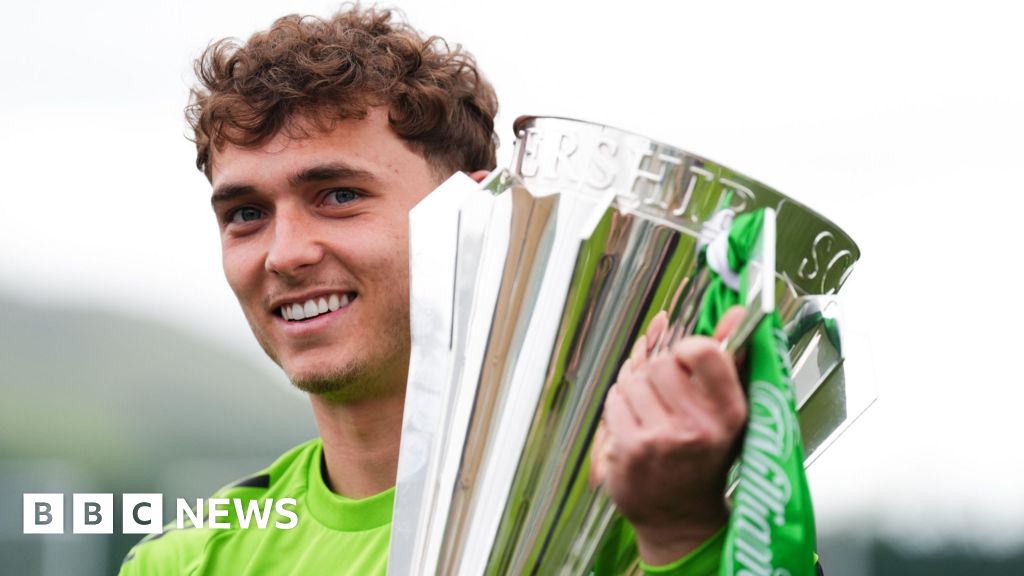
The island pipeline is finally producing elite talent
For years, the pathway from island football to top-tier professional leagues was viewed as a statistical anomaly. Scouts rarely scouted beneath the surface of the primary domestic circuits, leaving talent in smaller communities to languish in non-league anonymity. The recent rise of the Celtic starlet changes those underlying assumptions about talent distribution.
It is not just about the technical proficiency on the ball during a rainy Tuesday night in the Highlands. Watching the way the young midfielder traverses the pitch, you see a specific kind of tactical maturity that is often coached out of youth prospects by rigid academy structures. Instead of stifling his creative impulses, he has been allowed to adapt his childhood instincts to the demands of the Scottish Premiership.
His former coaches speak about a drive that predates his signing with the Glasgow giants. Even back in his youth days, he wasn't just another player fitting into a formation; he was actively diagnosing defensive rotations before they materialized. That level of spatial awareness is what separates the fringe players from the mainstays.
The infrastructure gap remains a hurdle
Despite this success, we have to address the glaring reality of development conditions. Writing about success at a historic club like Celtic often ignores the reality for local provincial sides. While this player is now thriving under massive lights, access to facilities back home remains inconsistent. It requires a specific type of grit to progress when the grass is underwater for half the year.
As the BBC reported, families and community figures now view his ascension as a beacon. Yet, one player does not constitute a pipeline. For this to move beyond a singular success, the regional support systems need more than just hope; they need functional pathways to bridge the gap between amateur leagues and the setup he currently enjoys at Paradise.
Analyzing the tactical footprint
His game is fascinating from a data perspective. If you examine his heat maps, he is doing the work of two players in the transition phase. This high-motor approach is likely a remnants of growing up where, due to smaller squad sizes or limited resources, every player had to learn the entire defensive phase of the game at a young age.
He recovers possession at an impressive rate, particularly in the middle third of the park. Most players his age are fragile in physical duels. He manages the contact with a composure that suggests he spent his formative years playing against adults who weren't particularly interested in being gentle with a prospect.
There is a risk in over-hyping a single emergence. We see this cycle every three years in Scottish football, where a teenager hits a run of form and is immediately anointed as the next legendary export. However, the eye test indicates he is fundamentally different. He is not relying on raw pace; his decisions are calculated.
The path ahead for the Scottish game
With the 2026 World Cup kickoff now just 7 days away, the national spotlight on Scottish football is intensifying. The pressure on this young man is not merely about club survival or league standing anymore. He has become a standard-bearer for how the game views island talent.
If he continues this trajectory, the reliance on importing low-cost talent from abroad might shift. It is long overdue. Investing in the domestic ground game is cheaper than over-spending in the transfer market for players who never adjust to the culture. This is a $0 cost alternative that relies entirely on scouting diligence.
He is still raw, certainly. There are games where his positioning slips in the dying minutes—a fatigue issue that will need careful management by the staff. But the foundation is undeniably there. If he avoids the common pitfalls of early fame, he will define the national team's midfield for the next decade.
Read Next
Nike Premier League Academy Soccer Ball
The official look of the Premier League for your weekend kickabouts.
Frequently Asked Questions
How did the player develop his unique tactical maturity?
What traits define the midfielder's playing style?
Why is scouting talent from remote islands historically difficult?
What training challenges exist for players from island communities?
How does this player's background influence his defensive game?
More Coverage
Celtic's search for a manager is descending into farce
19 hours ago
Celtic's search for a new boss is turning into a total circus
19 hours ago
Celtic's search for a new identity reflects a broken internal cycle
19 hours ago
Celtic's managerial search exposes the cracks at Parkhead
1 day, 1 hour agoTop 10: Defining Moments of the 2025-26 Season
1 day, 13 hours ago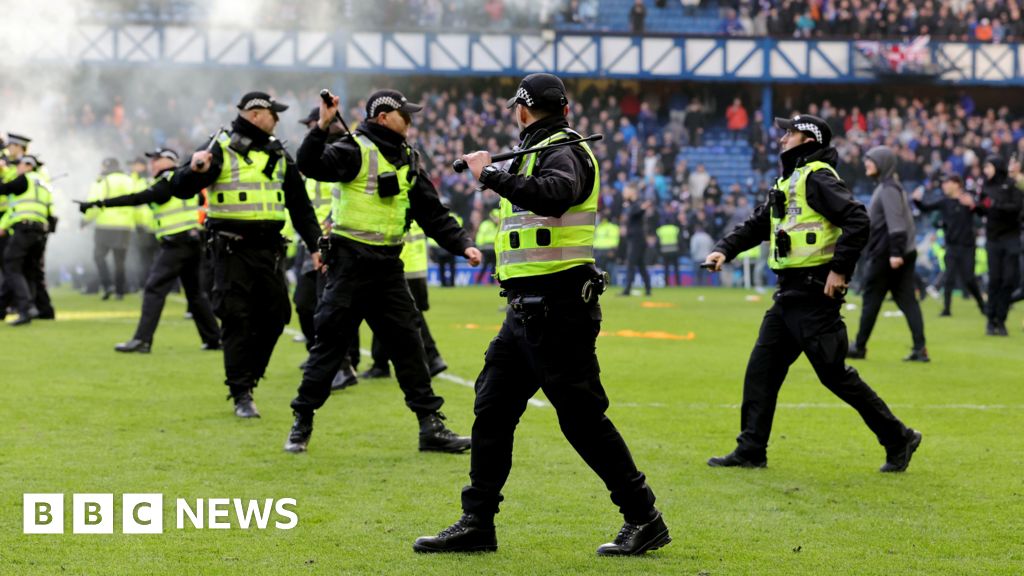
Medical update: The high cost of the Old Firm melee
1 day, 15 hours agoMore Analysis
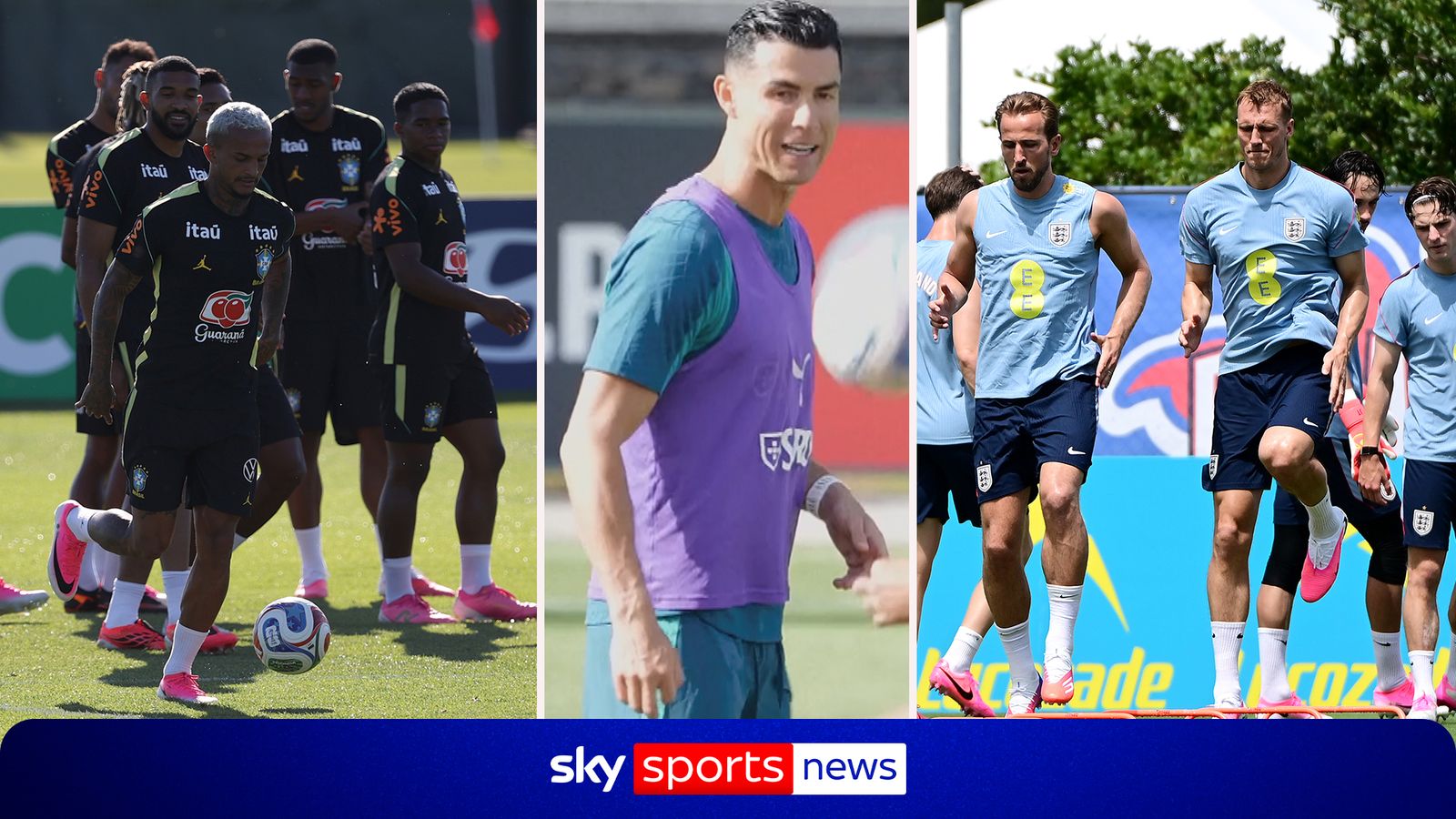
The World Cup kickoff is one week away and uncertainty is the theme
an hour ago
Manchester City's chaotic summer transition begins with Forest and Chelsea talks
an hour ago
Real Madrid's election circus is overshadowing the actual squad strategy
an hour ago
Gary Neville is turning Salford City into the league's most toxic project
an hour ago
Scotland’s return to the World Cup party is triggering mass chaos
2 hours ago