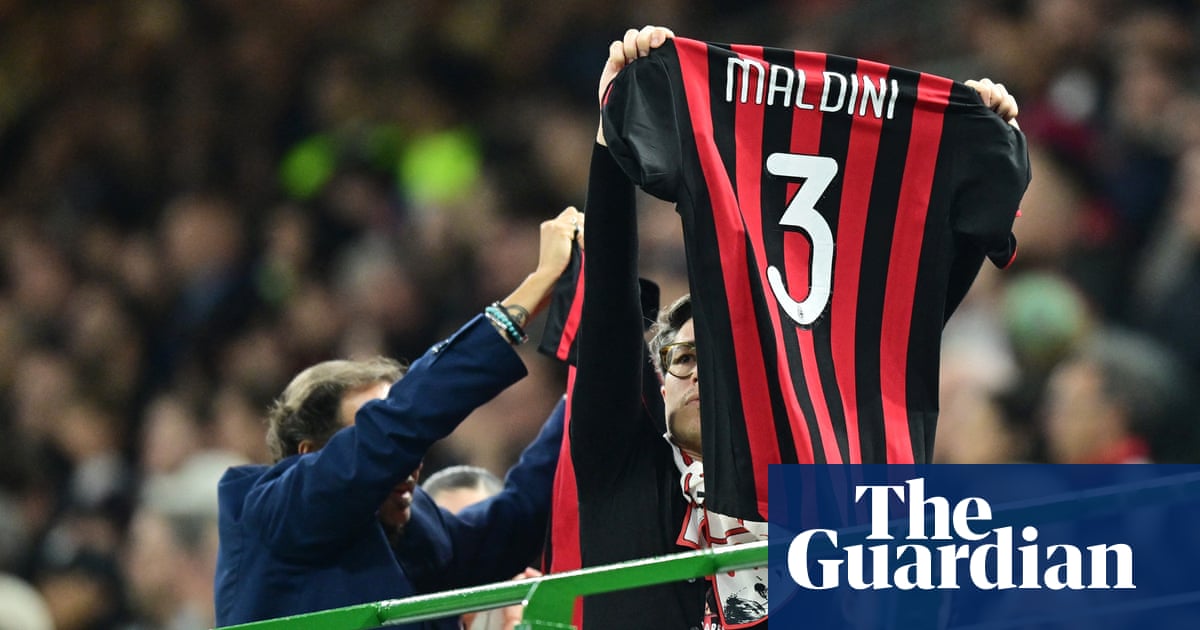
The math of a San Siro walkout
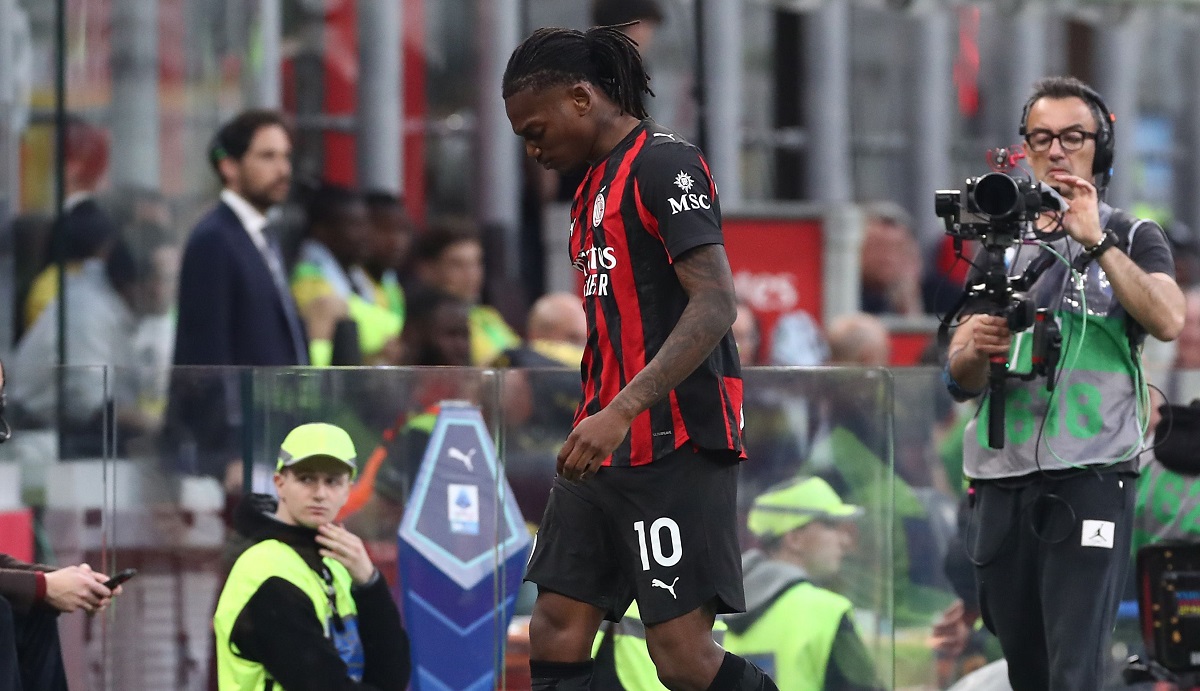
Seven minutes. That is the exact window of time the San Siro Ultras decided they had seen enough of this iteration of AC Milan. With more than 7 minutes remaining in a match that theoretically still mattered for their European aspirations, the Curva Sud emptied. It was a calculated, cold rejection of a product that has drifted into statistical mediocrity.
The data suggests the fans weren't just reacting to a single poor performance, but to a structural collapse. Since the start of February, Milan has averaged just 1.18 points per game. For a club with a wage bill that ranks in the top three of Serie A, that isn't just a slump. It is a total failure of the competitive model installed after Paolo Maldini was ushered out of the building.
Nicky Bandini's report for The Guardian captures the atmosphere perfectly, but the spreadsheets tell the grimmer story. Milan has regressed in every meaningful metric since their 2022 Scudetto peak. The most damning figure is their defensive vulnerability against bottom-half opposition. They have conceded 38 goals this season, the highest among the current top six teams. They are effectively a glass cannon that has forgotten how to fire.
Defensive decay and the high-leverage failure
When Maldini and Frederic Massara were overseeing the sporting side, Milan’s identity was built on aggressive, high-line defending and recovery pace. Today, that intensity has evaporated. The team’s PPDA (Passes Per Defensive Action) has ballooned from 9.2 in their title-winning season to 12.8 this year. They are giving opponents nearly 40% more time on the ball in the buildup phase.
This passivity has led to a disastrous record in what analysts call high-leverage moments. Milan has dropped 14 points from winning positions this season. In the final fifteen minutes of matches—the exact period when the fans decided to leave on Sunday—Milan has a goal differential of -6. They don't just lose; they dissolve under the slightest pressure.
The efficiency in front of goal is equally concerning. While the raw xG (Expected Goals) figures suggest they should be third in the table, their actual conversion rate on 'big chances' has plummeted to 19%. This is a team that creates opportunities through individual brilliance but lacks the collective tactical structure to finish them. It is 'vibes-based' football in an era where the competition has moved toward hyper-optimization.
The $52 million hole in the balance sheet
The fans singing Maldini’s name isn't just nostalgia; it’s a recognition of a lost standard. Under the current RedBird ownership, the focus has shifted toward a data-driven recruitment model that prioritizes resale value over immediate competitive floor. While the balance sheet looks healthier than it did five years ago, the looming absence from the Champions League creates a financial cliff.
Missing out on the top four will cost Milan a minimum of 52 million Euros in UEFA distributions and matchday revenue. That is the equivalent of two top-tier signings or the entire annual amortization cost of their current midfield. By trying to be too clever with 'Moneyball' metrics, the management has ignored the most important variable in football: the cost of being irrelevant.
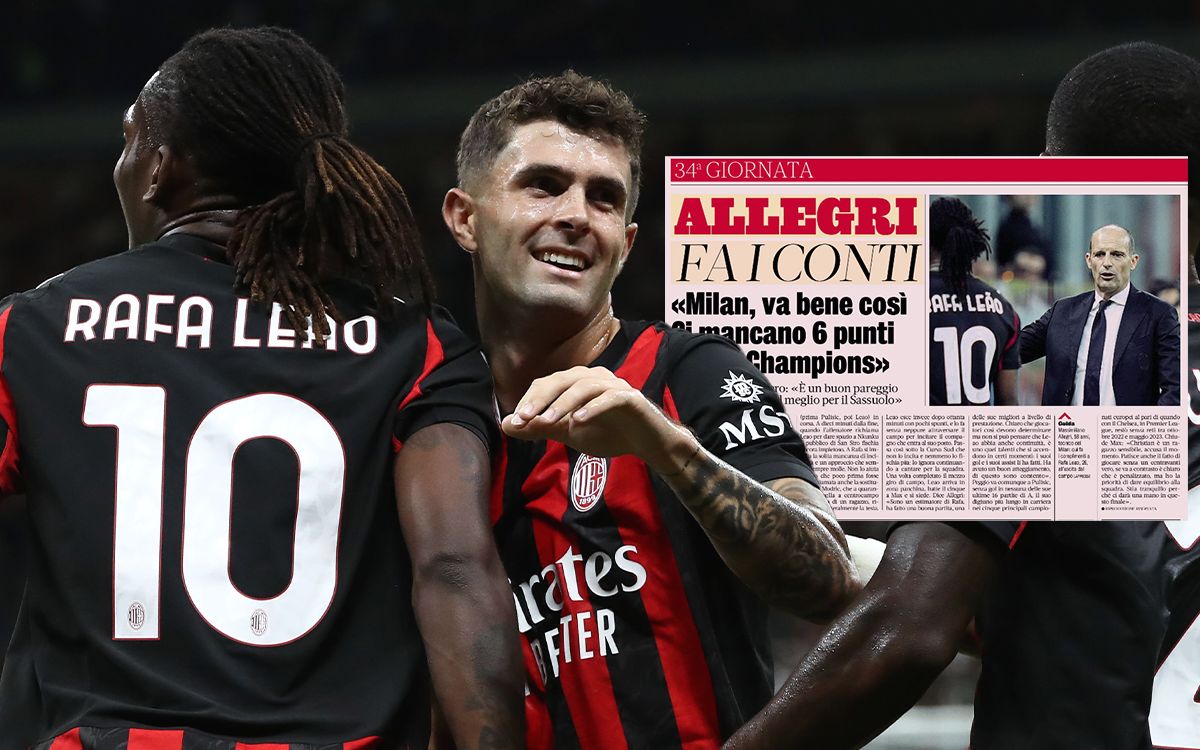
The squad's market value has already begun to stagnate. Key assets like Rafael Leão and Theo Hernández are seeing their underlying performance metrics dip. Leão’s successful dribbles per 90 have dropped by 22% compared to last season. When your 'system' relies on individual superstars to bail out tactical stagnation, you eventually reach a breaking point where the stars stop believing in the system.
Recruitment efficiency and the ghost in the machine
There is a critical lack of veteran leadership in this squad, a direct result of the policy to sell off older, higher-earning players. While this looks good in a five-year projection, it fails to account for the psychological stability required to play at San Siro. The current squad's average age is the second-youngest in the top half of the table, and it shows in their inability to manage game states.
The most surprising finding in the season-long data is Milan's inability to defend set pieces. They have conceded 42% of their total goals from corners or indirect free kicks. This is usually the sign of a team that is poorly coached or lacks physical presence—two things that were never an issue during the Maldini era. It is a tactical blind spot that has been exploited by every mid-table manager in Italy.
Ultimately, the walkout was a data point of its own. It was the moment the fans realized the current trajectory leads only to a comfortable, profitable sixth-place finish. In a city that demands trophies, that is the ultimate insult. The ghost of Maldini doesn't just hang over the stadium because of who he is; it hangs there because the numbers he produced were simply better than the ones we are seeing now.
Read Next
- AC Milan are crashing towards a bleak end-of-season reality
- RedBird's spreadsheet has turned AC Milan into a complete joke
- Allegri returning to Milan is a vote for pragmatism over vibes
- Arsenal aren't ready for Luis Enrique's tactical grind in the UCL final
- ⚽ Serie A 2025-26 — Title Race Hub (Inter, Napoli, Juve, Milan)
- ⭐ UCL 2026 — Champions League Quarter-Finals Hub