The return of the pragmatist
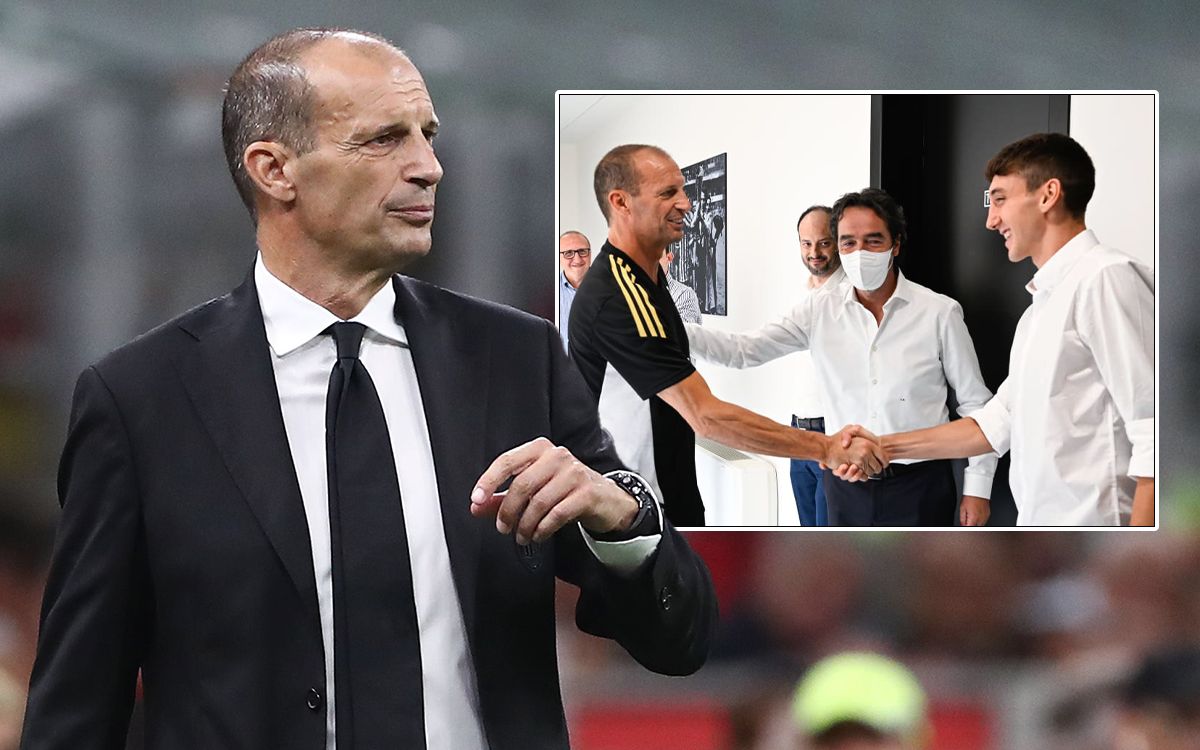
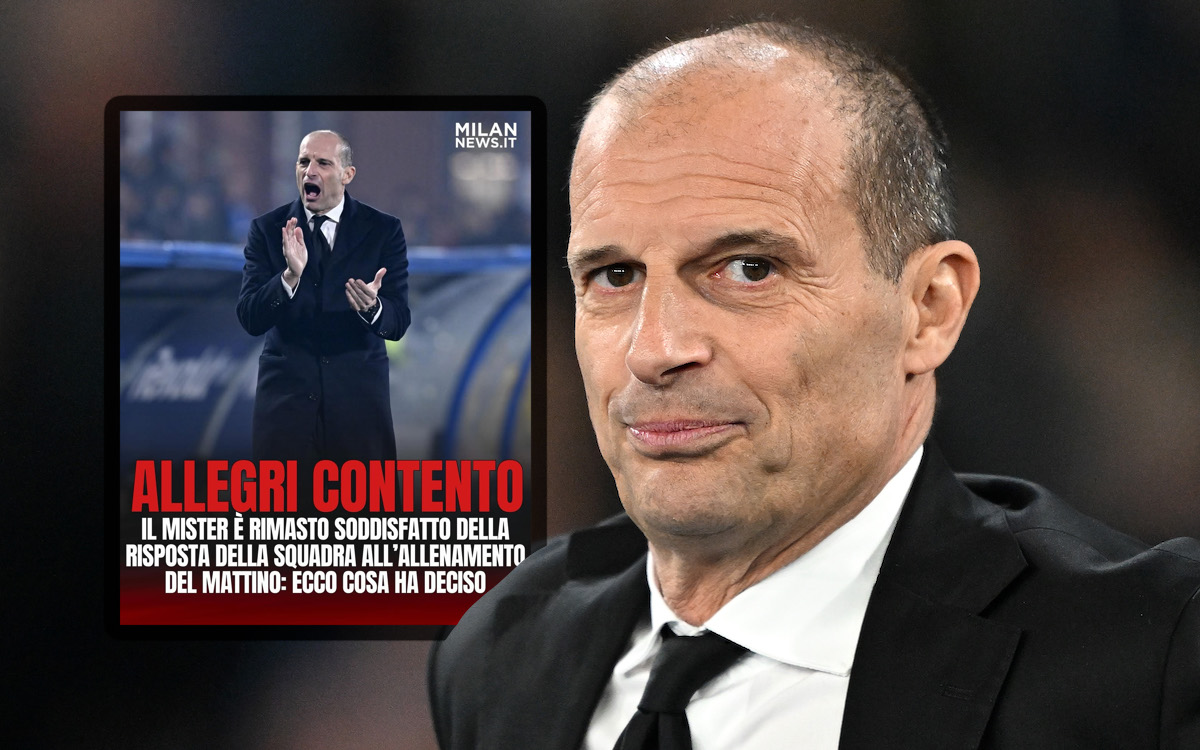
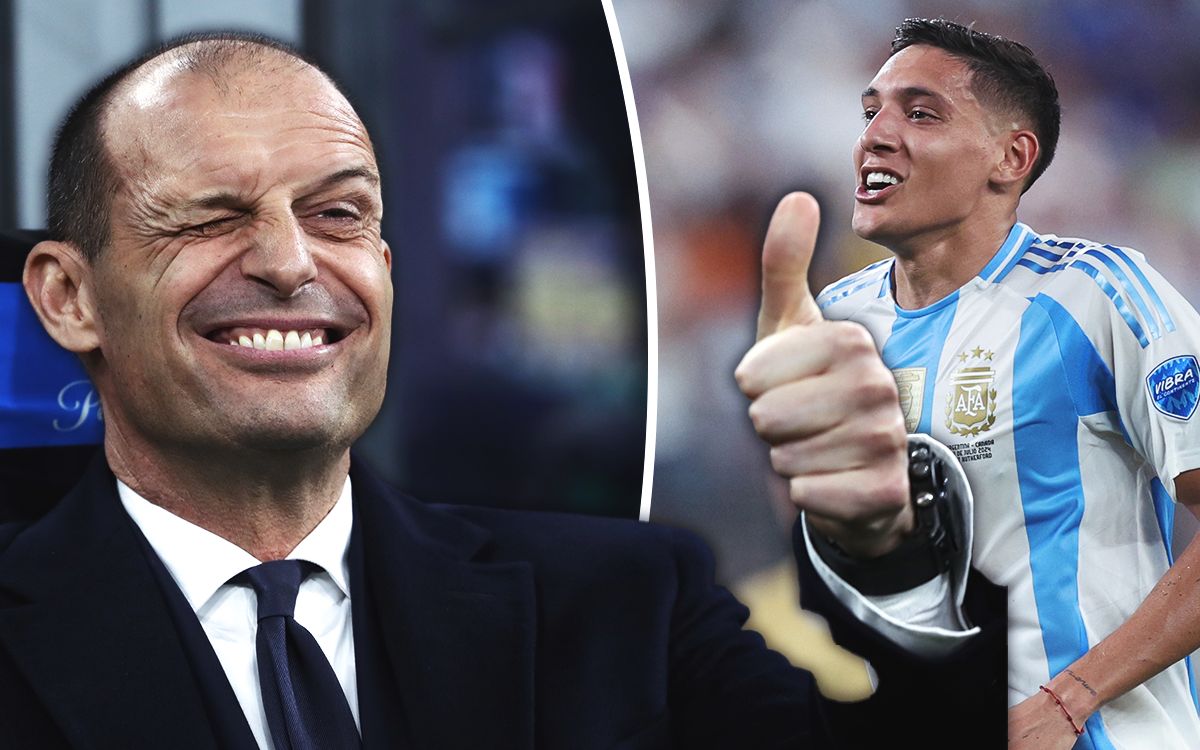
Milan is currently undergoing a violent identity crisis. The romanticism of the Stefano Pioli era, defined by high-pressing and occasional tactical anarchy, has curdled into a cold, hard pragmatism. Reports coming out of Italy suggest that the club is ready to hand the keys back to Massimiliano Allegri, a man who views football not as art, but as an efficiency problem to be solved with a 1-0 scoreline.
As Corriere dello Sport recently noted, the Milan hierarchy sees Allegri as the best man for this specific moment. They believe he knows how it is done. In a world of experimental young coaches and tactical influencers, the Rossoneri are opting for a captain who can navigate rough seas. It is a safe choice, but it is also a deeply cynical one.
Allegri represents a return to the 'corto muso' philosophy—winning by a nose. For a fanbase that has grown accustomed to the flair of Rafael Leão and the overlapping runs of Theo Hernández, this transition will be jarring. Allegri does not build systems to maximize individual brilliance; he builds systems to minimize risk.
The end of the Rafael Leão era
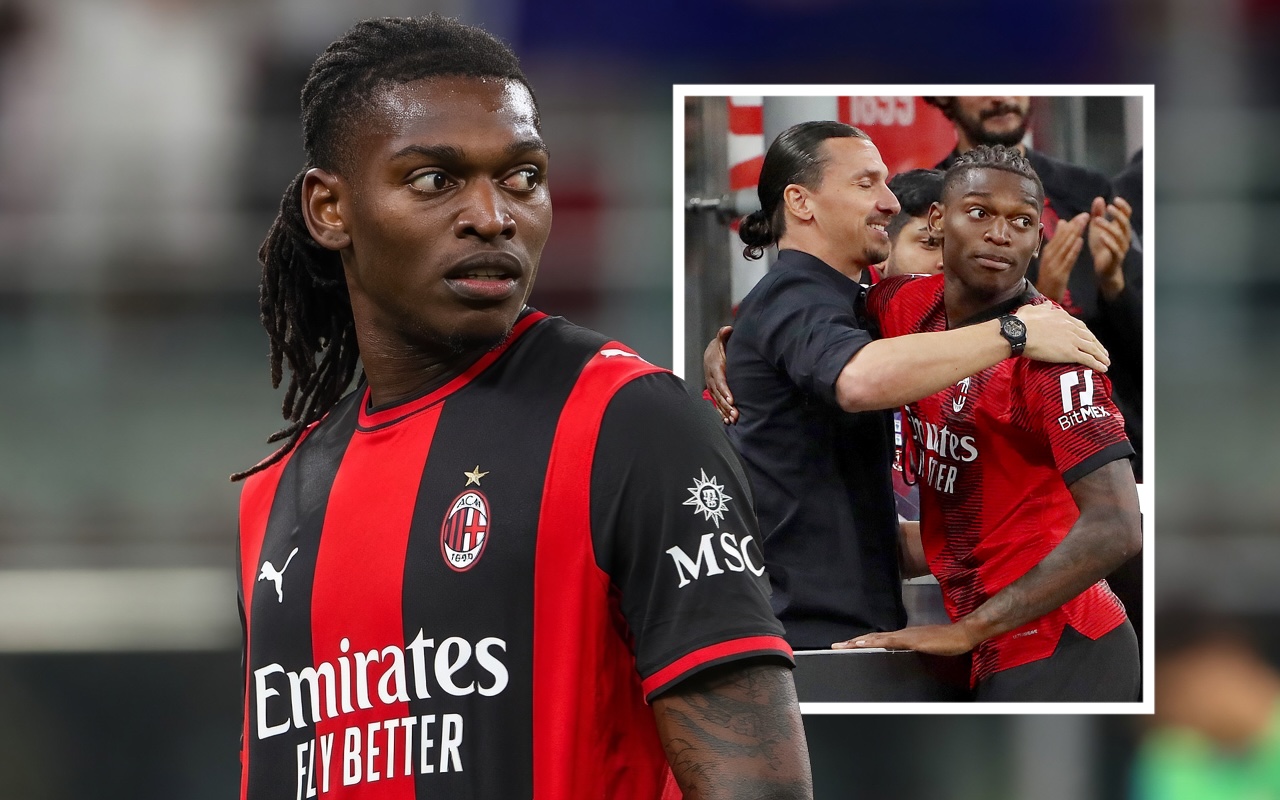
The most significant casualty of this tactical regression will likely be Rafael Leão. For years, Milan fans have waited for the Portuguese winger to bridge the gap between world-class talent and consistent superstar. Allegri, however, is notoriously impatient with mercurial talents who do not track back. The report from Gazzetta dello Sport is damning: the club is tired of waiting for Leão.
Allegri is reportedly prepared to drop Leão entirely before the club inevitably cashes in on him this summer. It is a bold, perhaps suicidal, move to alienate your most marketable asset before a sale, but it serves a purpose. It tells the dressing room that the era of individualism is over. If you do not run, you do not play. Even if your market value is €100 million, you will watch from the bench.
This is the first major red flag of the Allegri 2.0 era. By prioritizing a rigid defensive structure, Milan risks stripping away the very thing that made them competitive in Europe. Without Leão's gravity on the left flank, the attack becomes predictable. Allegri’s solution will likely involve a more industrious, less talented winger who can execute a defensive block for 90 minutes without complaint.
Building the engine room
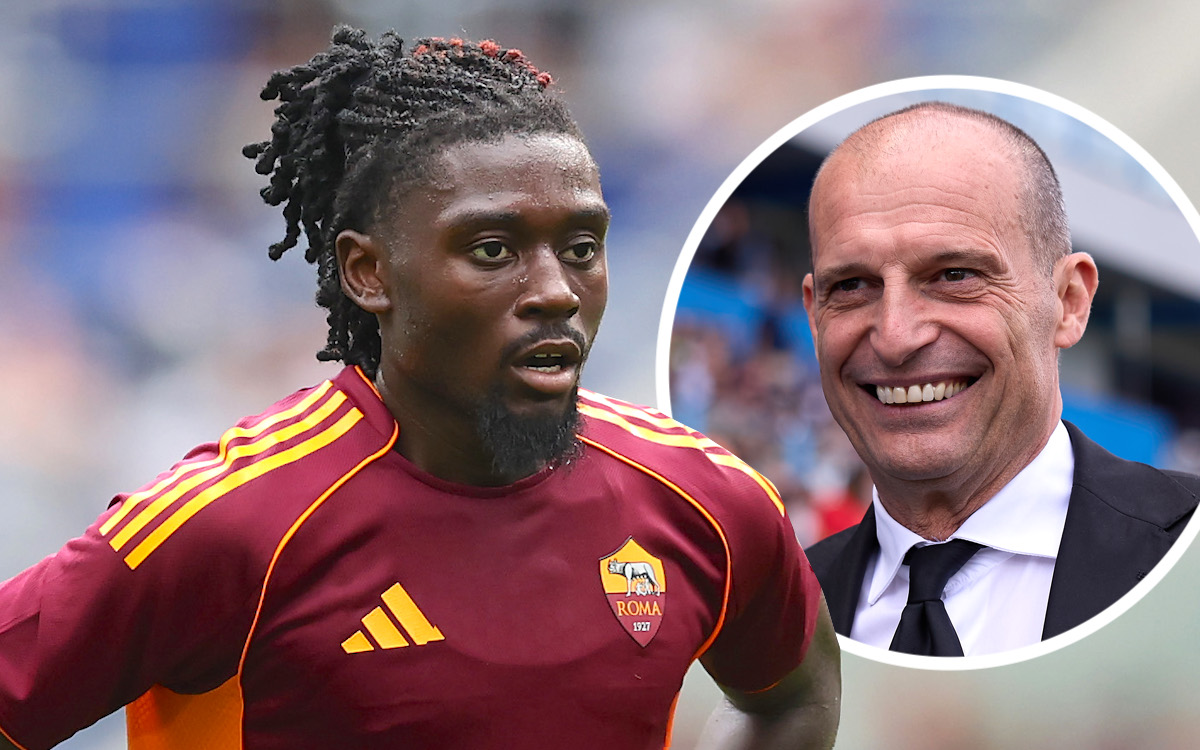
To make this system work, Allegri needs specific profiles in midfield. He does not want deep-lying playmakers who take risks; he wants monsters. This explains the sudden interest in Roma’s Manu Koné. While Inter Milan has been circling the Frenchman for months, Allegri has reportedly asked the Milan board to hijack the deal. Koné is the prototypical Allegri midfielder: physical, aggressive, and capable of covering ground.
Moncada is a big supporter of this move, and for good reason. The current Milan midfield lacks a genuine destroyer. Reijnders and Bennacer are fine technical players, but they can be bullied in the transition. Koné provides the steel required to sit in front of a low block. If Milan can snatch him from under Inter's nose, it will be the first tactical victory of the new regime.
“Allegri knows how it is done. He is the best captain for rough seas.”
However, the pursuit of Koné highlights a broader trend in Milan's recruitment. They are no longer looking for the next Kaka or Shevchenko. They are looking for the next Blaise Matuidi. It is a recruitment strategy designed to finish in the top four, not to win the Champions League. It is a strategy of survival.
Schmeichel’s reality check for the Premier League
While Milan prepares for a defensive retreat, the rest of Europe is watching the elite elite distance themselves from the pack. Peter Schmeichel recently took a swipe at Arsenal, suggesting they are nowhere near the top of the European food chain. He claimed that Real Madrid is the undisputed king, but his 'second best team in Europe' claim was a pointed dig at the lack of pedigree in North London.
As Metro UK reported, Schmeichel isn't buying the hype around the Premier League's pretenders. He sees a level of execution and mental toughness in the likes of Real Madrid that simply doesn't exist at the Emirates. This context matters for Milan. If they want to return to that elite conversation, they have to decide if Allegri is a bridge to that level or a ceiling that prevents them from ever reaching it.
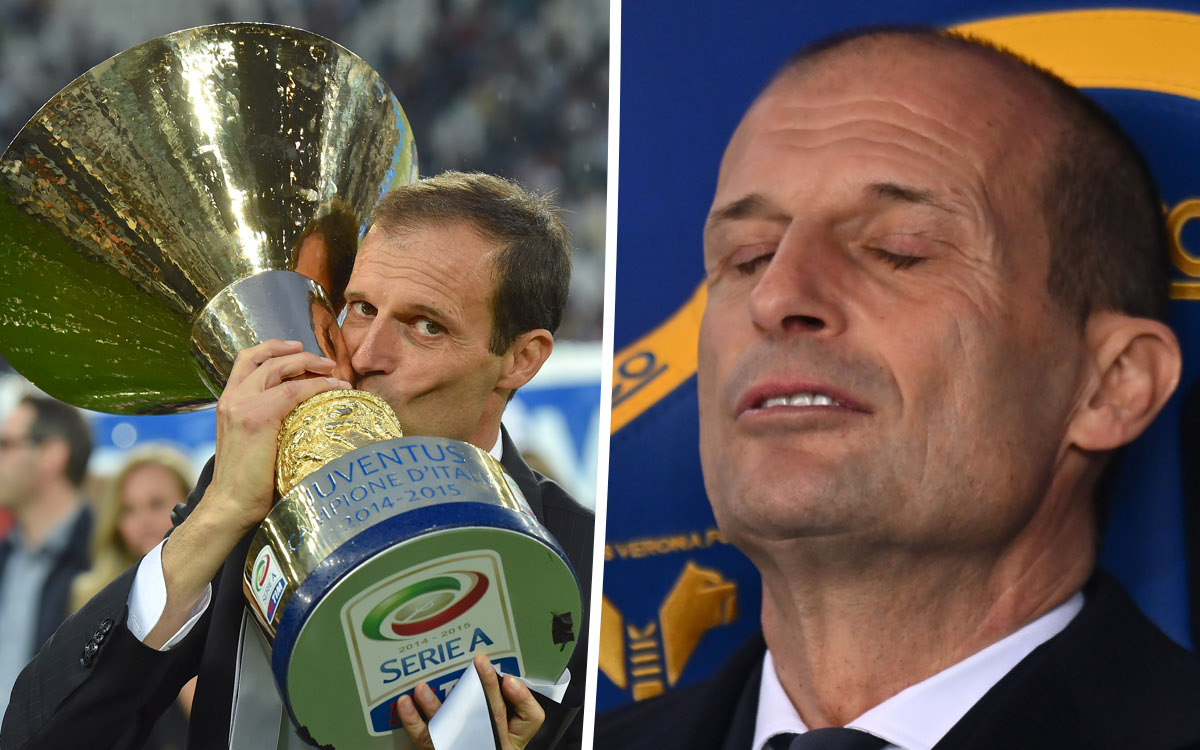
Schmeichel’s cynicism is a healthy reminder that 'playing well' doesn't mean anything if you don't have the trophies to back it up. Arsenal has played beautiful football for two years and has zero major trophies to show for it in this cycle. Allegri would argue that his miserable, grinding style is more 'elite' because it produces results. But does it? His final years at Juventus suggest that even the results eventually dry up when the soul of the team is crushed by pragmatism.
The coaching carousel begins
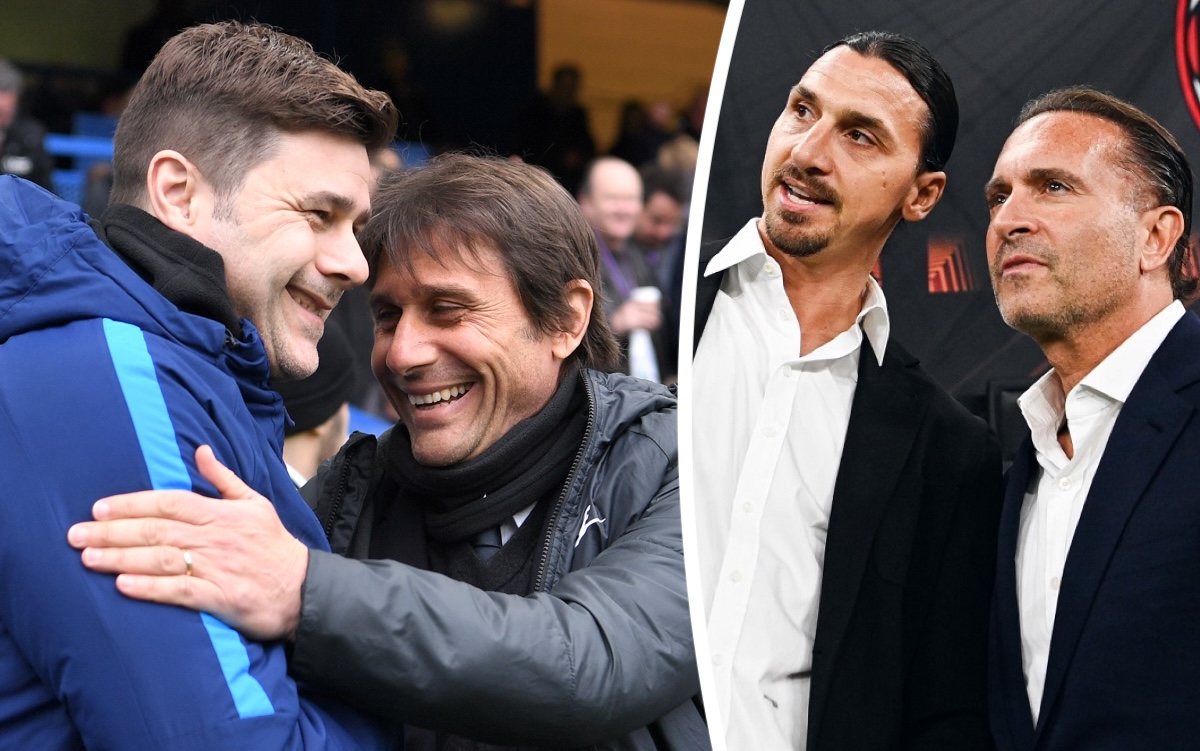
The decision to bring in Allegri isn't happening in a vacuum. It is the first domino in a massive European coaching carousel. Antonio Conte is the man pulling the strings. Wherever Conte lands—be it Napoli or a sensational return to Juventus—it forces the other big clubs to react. If Conte goes to Napoli, Milan feels they need an 'Alpha' coach to compete. They don't believe a project manager like Italiano or a stylist like Sarri can handle the pressure.
This is a fear-based appointment. Milan is terrified of falling out of the Champions League spots and losing the revenue required to service their debt. Allegri is the insurance policy. He is the coach you hire when you are more afraid of losing than you are excited about winning. It is the same logic that led clubs to Mourinho in his later years, and we all know how those stories ended.
Why this might fail spectacularly
There is a significant risk that Allegri has not evolved. The game has moved on since his peak in 2017. Modern football requires a level of coordinated pressing and possession play that Allegri has historically ignored. If he tries to implement a 1990s defensive shell with a squad built for modern transitions, the results will be catastrophic.
- The squad lacks the veteran leaders Allegri usually relies on.
- The fanbase is already hostile toward a style of play that prioritizes defending.
- Selling Leão removes the only outlet that can turn a defensive stop into a goal.
The tactical disconnect is obvious. You cannot ask Theo Hernández to play as a traditional left-back in a flat four and expect him to be happy. You cannot ask Christian Pulisic to spend 70 minutes of every game in his own half. This appointment feels like a clash of cultures that will inevitably end in a mid-season sacking and a massive payout.
The verdict and prediction
Milan is making a deal with the devil. They are trading their joy for a perceived sense of security. They will likely sign Manu Koné, they will likely sell Rafael Leão for a massive fee, and they will likely spend the first half of the 2026/27 season boring their fans to tears. Allegri will complain about the lack of 'maturity' in the squad, and the media will cycle through the same tired debates about 'playing well' versus 'winning.'
The critical flaw here is the assumption that Allegri is still a winner. His second stint at Juventus was a procession of joyless football and mediocre results. There is no evidence that a different shirt will change the outcome. Milan is about to learn that the 'rough seas' are often created by the captain himself.
My prediction is grim. Milan will start the season with a string of low-scoring draws and narrow wins. The atmosphere at San Siro will turn toxic by November. By the time the January window opens, they will be out of the title race and fighting for the third or fourth spot. Allegri will be gone before the 2027 season kicks off, leaving behind a squad that has forgotten how to attack and a balance sheet that no longer features its star player. It is a mistake they will regret for years.