The Allegri ghost returns to the San Siro
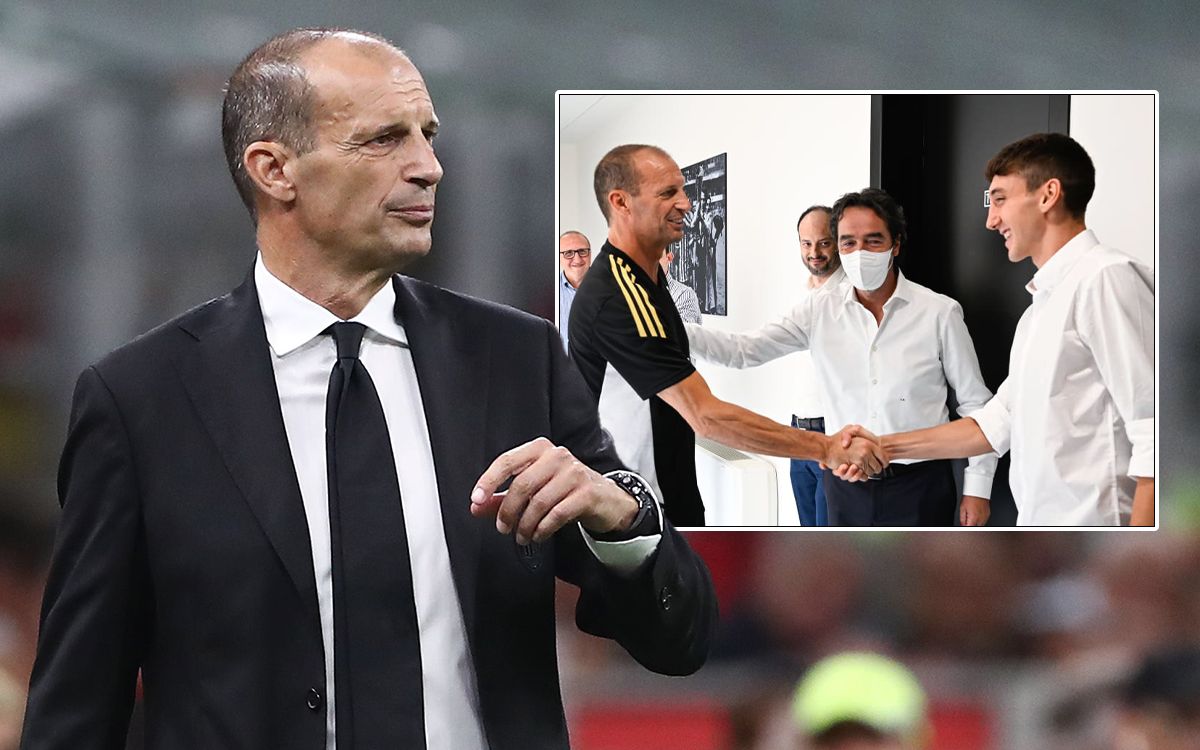
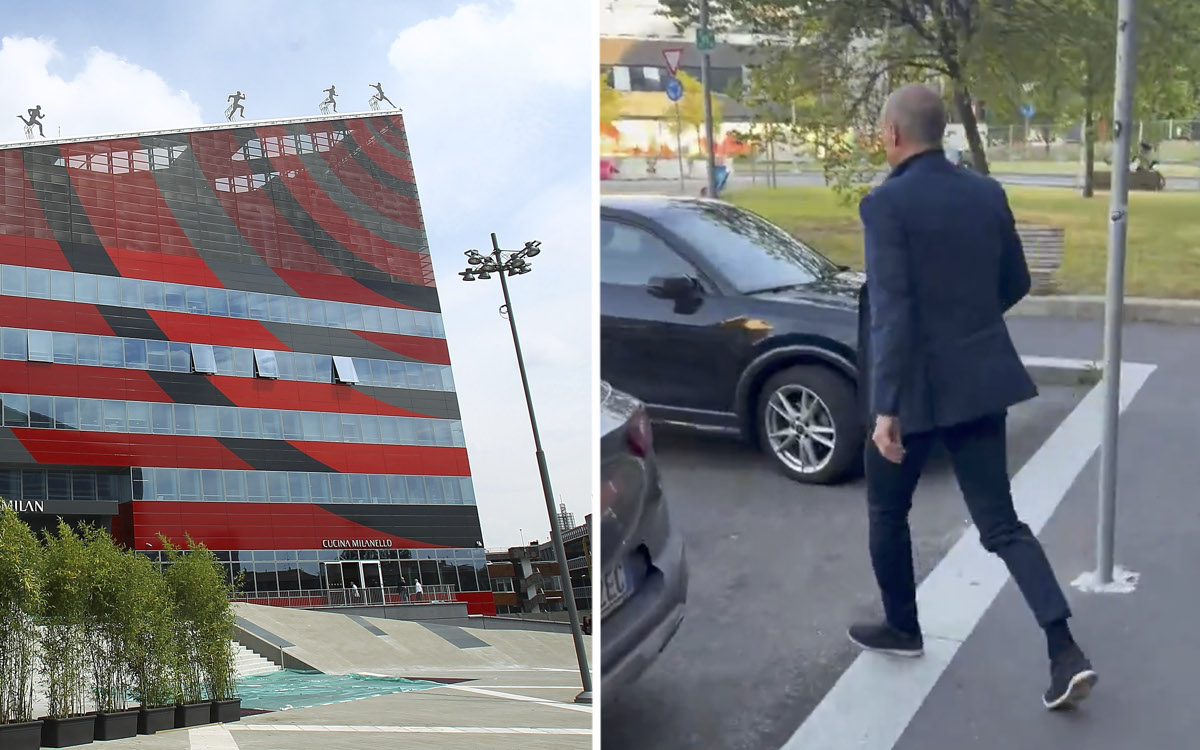
The image of Massimiliano Allegri emerging from Casa Milan after a three-hour meeting left very little to the imagination. We are witnessing a club struggling to reconcile its modern European ambitions with a regressive tactical itch. Allegri represents an obsession with control, a desire to shut down space that feels increasingly dated given the current roster construction.
Milan should be aiming for a forward-thinking manager who embraces the high-line fluidity currently dominating the Champions League. Instead, they appear to be flirting with the exact brand of rigidity that recent reports suggest is being discussed behind closed doors. Bringing in a manager known for pragmatic, low-block defensive structures seems like a direct contradiction to the attacking output required to compete with Europe’s elite.
The Lukaku gamble is a tactical blind alley
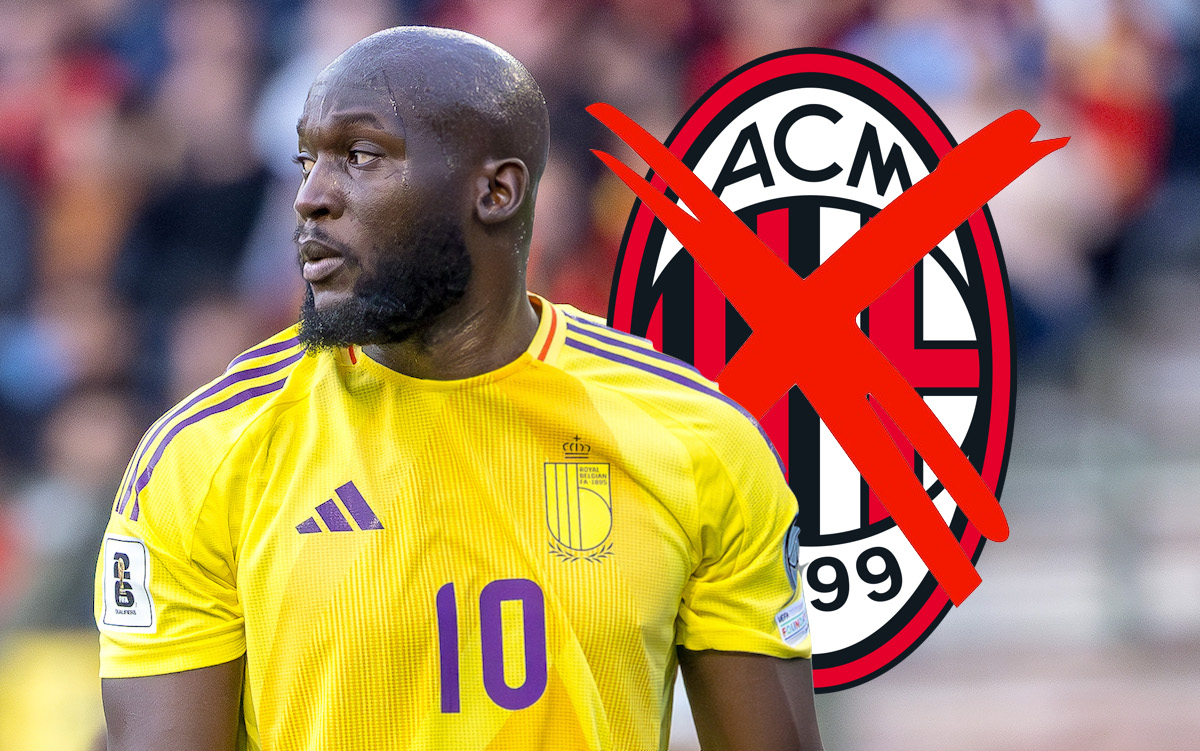
The latest suggestion that Romelu Lukaku has offered his services to Milan is equally baffling. While he certainly hits the physical profile that traditionally appeals to an Allegri-led setup, this is a signing designed for 2021, not the squad depth required for the 2026-27 campaign. Lukaku thrives when a team sacrifices transition efficiency to favor direct, target-man hold-up play.
Milan needs mobility in the final third to bypass the sophisticated pressing structures common in Serie A. According to Tuttosport’s recent analysis, the club hierarchy is clearly weighing the veteran's experience against his diminishing return on speed. Relying on a static presence up top would force the wide players to track back significantly more, effectively neutering the attacking width that has defined Milan’s play this season.
Systemic overhauls rarely pay off
Redesigning the squad to fit a new manager's specific preferences is a luxury few clubs can afford. If ownership pivots to Allegri, expect a full-scale tactical shift that demands four or five high-value additions to make the 3-5-2 or modified 4-4-2 formations functional. Developing a new system from scratch mid-cycle sacrifices continuity for, at best, a marginal hardening of the defensive shell.
The current internal metrics suggest the board is caught between two worlds. One side demands a young, high-octane project; the other clings to the promise of immediate results via known quantities like Allegri. As detailed regarding the projected 2026-27 lineup, the defensive integration will be the primary focal point of any new technical staff. If they execute this transition cleanly, they might survive; if they fumble the balance, they face a long autumn of frustration.
Predicting the summer instability
Milan will likely pursue at least one major signing to appease the fan sentiment, but the tactical disconnect between an incoming Allegri-style system and existing personnel will yield poor results before it yields stability. Expect a disjointed start to the 2026-27 season where possession metrics remain high but xG per match drops significantly. The management is gambling that defensive pragmatism can solve their issues, but they are ignoring the fact that modern success is built on dynamic, intelligent pressing.
Read Next
- Max Allegri to Milan is the most depressing idea I have heard all season
- AC Milan’s recruitment strategy is turning into a total chaotic fever dream
- Why AC Milan is steering clear of Romelu Lukaku
- Milan's board is split on Lewandowski while the Tonali dream dies
- 🇧🇪 Belgium World Cup 2026 — Red Devils Hub