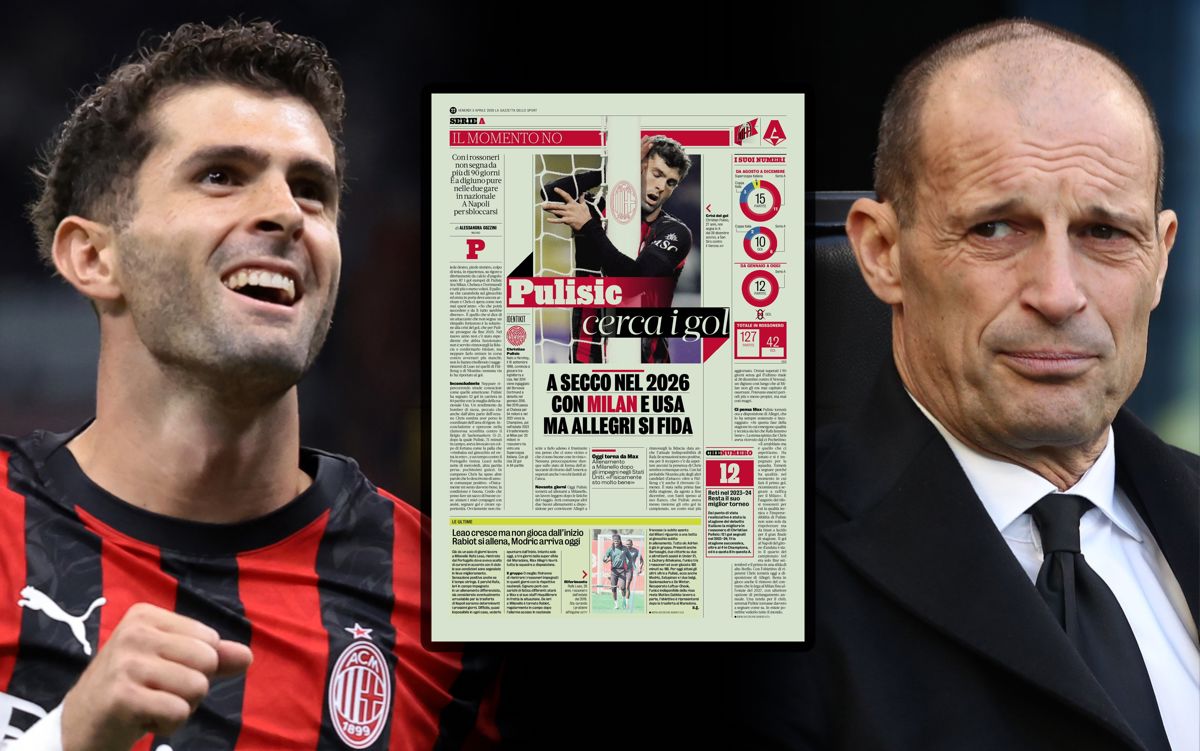
Allegri's anti-crisis plan won't fix Milan's deeper structural rot
The noise from across the city
The noise from the blue side of the city is deafening right now. Inter are parading another Serie A title, and they are doing it with the exact sort of arrogant swagger that twists the knife for AC Milan supporters.
The celebrations have spilled from the Piazza del Duomo into the press room. Marcus Thuram took a direct, unprovoked shot at Milan's expense when asked about their rivals.
"Did they give a prize?"
It was petty. It was unnecessary. It was absolutely brilliant if you are an Inter fan. For Milan, it was a brutal reminder of the current power dynamic in Italian football.
While Inter pop champagne and film documentary footage, Milan are locked in crisis talks. The contrast is jarring.
You have one club executing a long-term vision with ruthless efficiency, and another club desperately pulling levers in the dark to stop the bleeding. Massimiliano Allegri was supposed to be the stabilizing force.
He was brought in to instill a winning mentality, to grind out results, and to close the gap on Simone Inzaghi's relentless machine. Instead, Milan just collapsed against Sassuolo.
The fallout has been swift and severe. Allegri, normally measured in his public demeanor, reportedly delivered a furious, one-line dressing room message to his squad immediately after the final whistle.
The contents of that single sentence remain behind closed doors, but the intent was clear. The baseline standards of the club had not been met. It was a failure of effort, a failure of concentration, and a failure of tactical execution.
A familiar collapse at the Mapei
Losing to Sassuolo is a time-honored Milan tradition, but this one felt entirely avoidable. The tactical setup was disjointed from the opening minute.
Allegri has always favored a pragmatic approach, relying on a solid defensive block and rapid transitions. But against a Sassuolo side perfectly content to sit deep and counter the counter, Milan looked devoid of ideas.
The midfield was bypassed with alarming ease. You cannot operate Allegri's preferred system if your central midfielders refuse to track runners or win second balls.
The lack of intensity was staggering. Sassuolo didn't have to engineer complex passing sequences to carve Milan open. They simply waited for the inevitable misplaced pass in the middle third and broke with pace.
This is the core issue with Allegri's current iteration of Milan. The squad profile does not match the manager's philosophy. You have a collection of direct, attacking players being asked to operate within a highly structured, risk-averse system.
Rafael Leao looks isolated, often receiving the ball with two defenders already set and no overlapping support. The fullbacks are pinned back. The central striker is left feeding on scraps.
When the system fails, Allegri usually relies on individual brilliance to bail him out. Against Sassuolo, that brilliance never arrived. The resulting anger in the dressing room was the culmination of weeks of mounting frustration.
A furious one-line dismissal from the manager stings far more than a long tactical rant. It implies that the performance wasn't even worth analyzing. It was just unacceptable.
The shift in tone at Milanello
But anger only works as a short-term shock tactic. Allegri knows this better than anyone. You cannot berate a modern squad into a sustained run of form.
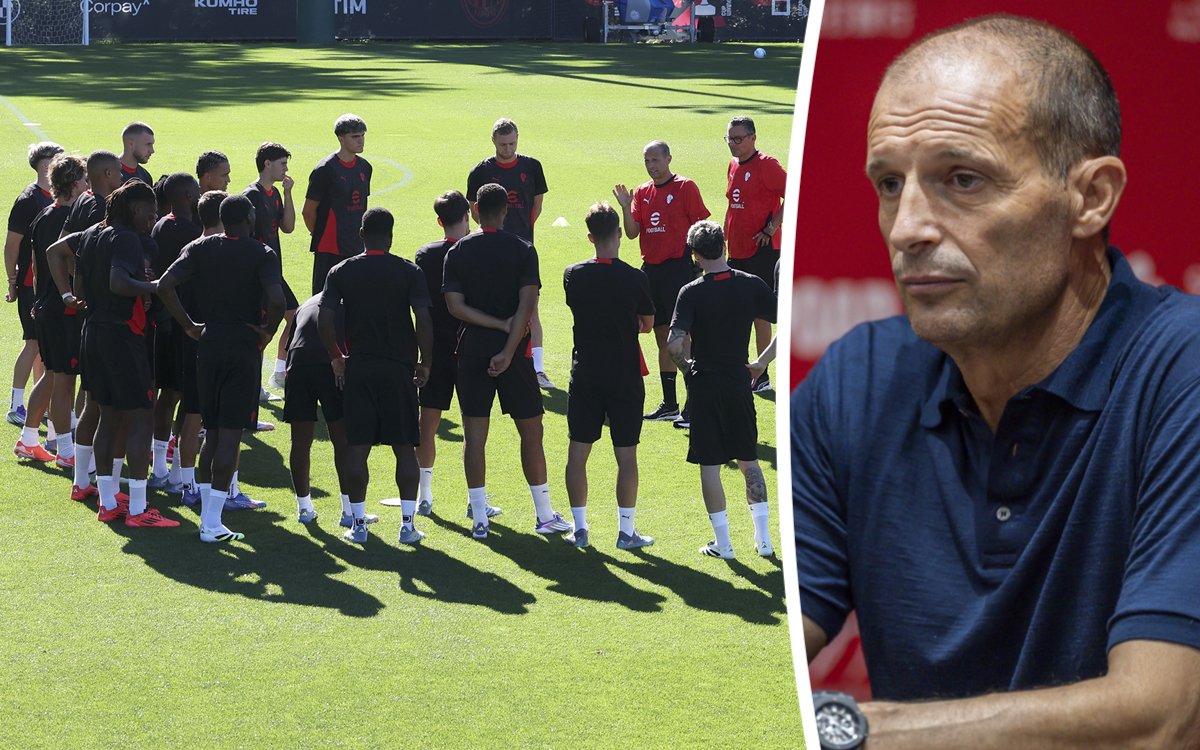
The day after the Sassuolo debacle, the atmosphere at the Milanello training complex shifted dramatically. Reports indicate Allegri delivered a deeply heartfelt speech to the squad before training began.
The fury was gone, replaced by an appeal to their pride and collective responsibility. This is the duality of Allegri's man-management.
He will scorch the earth in the immediate aftermath of a failure, but he will meticulously rebuild the players' confidence the following morning.
The problem is that speeches don't fix structural deficiencies. A heartfelt plea might generate a temporary spike in effort, but it won't magically solve the gaping hole in the defensive midfield.
It won't suddenly turn a disorganized pressing scheme into a cohesive trap. Milan's issues are deeply rooted in squad construction and tactical application.
This squad was largely built to play a high-tempo, aggressive style. Transitioning them into Allegri's methodical, shape-first philosophy was always going to be painful.
We are currently witnessing the absolute nadir of that transition. The players look caught between two conflicting ideas. They are torn between their natural instincts to drive the game, and their manager's instructions to control the space.
Drafting the anti-crisis plan
The gravity of the situation has forced ownership's hand. Allegri and the Milan management team are scheduled to meet twice this week to hammer out an 'anti-crisis plan'.
You only use that specific phrasing when you are staring down the barrel of a lost season. These meetings will feature Giorgio Furlani, Geoffrey Moncada, and presumably Zlatan Ibrahimovic acting in his senior advisory role.
The agenda is obvious. They need to figure out how to salvage the current campaign while simultaneously planning a massive summer overhaul.
The first meeting is likely focused strictly on the short term. How do they stop the bleeding? Are there tactical compromises Allegri is willing to make to get the best out of Leao?
Will management publicly back the manager to quell the dressing room unrest? The second meeting will undoubtedly look toward the transfer market.
Milan need reinforcements, desperately. But they also need to decide if Allegri is the man to lead that rebuild.
If management sanctions the purchase of three pragmatic, Allegri-style players in the summer, they are locking themselves into his philosophy. If they refuse, the anti-crisis plan is just delaying the inevitable divorce.
The chasm between Milan and Inter
To truly understand the panic at Milanello, you have to look across the city. Inter are not just winning. They are operating on a completely different intellectual plane.
Simone Inzaghi has built a tactical monolith. Inter's 3-5-2 system is so fluid it borders on position-less football at times.
Alessandro Bastoni pushes up as a left-winger. Federico Dimarco arrives in the box like a seasoned striker. Hakan Calhanoglu dictates the tempo from deep with terrifying precision.
They attack in waves, and they defend with aggressive, coordinated pressing. Then you look at Thuram.
He arrived on a free transfer, seamlessly replaced outgoing veterans, and immediately elevated Lautaro Martinez's game. Thuram's tactical intelligence is vastly underrated.
His movement drags center-backs out of position, creating the exact pockets of space Inter's midfielders love to exploit.
When he mocks Milan during a title celebration, he earns the right. He has been spectacular. Milan, by contrast, look mechanical. Everything is a struggle.
Creating a clear-cut chance requires a monumental physical effort or a moment of isolated magic. The anti-crisis meetings must address this underlying tactical rigidness.
You cannot compete with Inter if your offensive gameplan relies entirely on hoping your left winger beats three men off the dribble.
The reality of the boardroom politics
Let's dissect what an 'anti-crisis plan' actually entails in modern football. It is rarely a tactical revelation. It is usually a political compromise.
Management will demand more entertaining football. Allegri will point to the defensive metrics and the lack of a proper ball-winning midfielder.
Ibrahimovic will likely demand more accountability from the senior players. Everyone will leave the room claiming they are on the same page, but the fundamental tension will remain.
Allegri is not going to suddenly embrace a high-pressing 4-3-3. He is hardwired to prioritize defensive solidity. If management forces him to play a more expansive style, the entire structure will collapse.
We saw glimpses of this against Sassuolo. When Milan pushed higher up the pitch, they left enormous gaps behind their fullbacks.
They lacked the collective pressing trigger to win the ball back high. That meant the center-backs were constantly exposed in isolated one-on-one situations.
This is the fatal flaw in the current project. The executives upstairs want a vibrant, modern European team. The manager in the dugout wants a cynical, battle-hardened unit that grinds out narrow victories.
The squad is stuck in the middle, failing to execute either vision effectively.
A timeline for survival
With the season entering its final, decisive weeks, the margin for error has vanished completely. The Champions League places are not guaranteed.
Dropping out of the top four would be a catastrophic financial blow. It would severely limit Moncada's ability to operate in the summer transfer window.
This adds immense weight to Allegri's upcoming touchline decisions. Does he double down on his conservative instincts to secure the necessary points, knowing it will further alienate a frustrated fanbase?
Or does he roll the dice, loosen the tactical constraints, and risk another Sassuolo-style capitulation?
His heartfelt speech at Milanello suggests he is trying to bridge the gap. He is trying to convince the players that his rigid system is their only path to salvation this season.
He needs them to suffer without the ball, to embrace the ugly side of the game, and to trust that the clean sheets will eventually lead to victories.
But trust is a fragile commodity in a losing dressing room. When a manager delivers a furious dressing-down one day and a passionate, emotional plea the next, players can start to tune out the noise.
They start looking at their agents, evaluating their summer options, and protecting their own stock.
The brutal summer ahead
Whatever the outcome of these emergency summits, the reality is that Milan are approaching a crossroads. The current path is simply unsustainable.
You cannot have a manager constantly fighting against the grain of his own squad. And you cannot have a management team paralyzed by indecision.
Marcus Thuram was joking when he asked if Milan received a prize. But the irony is that Milan are playing like a team that believes they are owed something simply for existing.
They lack the desperation, the tactical coherence, and the sheer ruthlessness that Inter have displayed all season long.
Allegri's anti-crisis plan might patch the leaks for the next month. It might even secure Champions League qualification.
But it will not fix the underlying rot. Milan need a brutal, honest autopsy in the summer. They need to decide exactly what kind of football club they want to be.
Then they need to hire the personnel—on the pitch and in the dugout—who actually fit that vision. Until they do, they will continue to suffer these familiar collapses.
They will continue to hold emergency meetings. And they will continue to listen to the noise of Inter celebrating across the city, wondering exactly where it all went wrong.
Read Next
- Massimiliano Allegri is the chaotic ghost haunting Milan right now
- Allegri's Milan crisis is spiralling out of control after Sassuolo defeat
- AC Milan’s Champions League push is hitting a medical wall
- Why AC Milan are pinning their summer plans on Champions League football
- ⚽ Serie A 2025-26 — Title Race Hub (Inter, Napoli, Juve, Milan)
Nike Academy Team Soccer Backpack
Keep your gear organized and dry with this rain-ready bag designed for serious b
More Coverage
Manchester United are chasing ghosts with the Leao pursuit
an hour ago
Why England must fear Panama's disciplined low block
2 hours ago
Arsenal vs PSG: Why tactical rigidity will determine the European champion
3 hours ago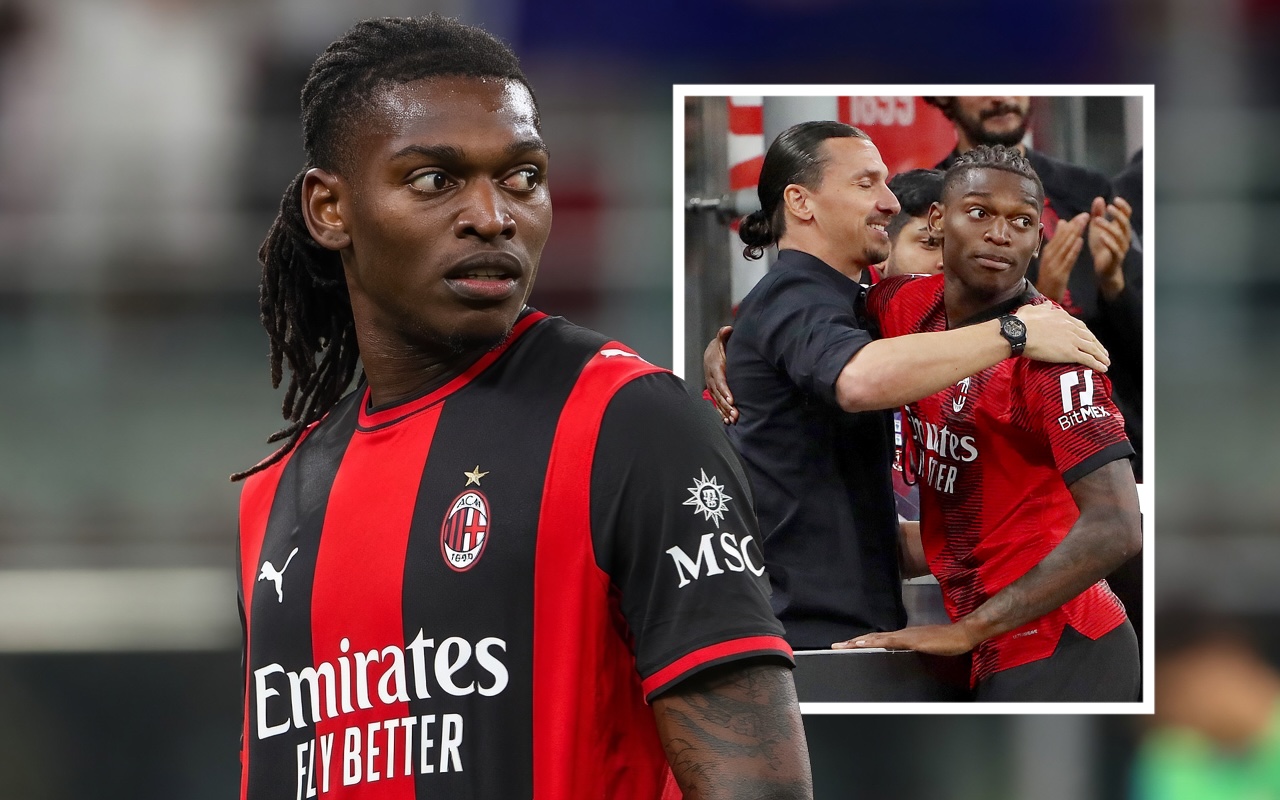
Rafael Leao's Milan future remains uncertain as summer window opens
3 hours agoLincoln City just entered the weirdest experiment in League One history
5 hours ago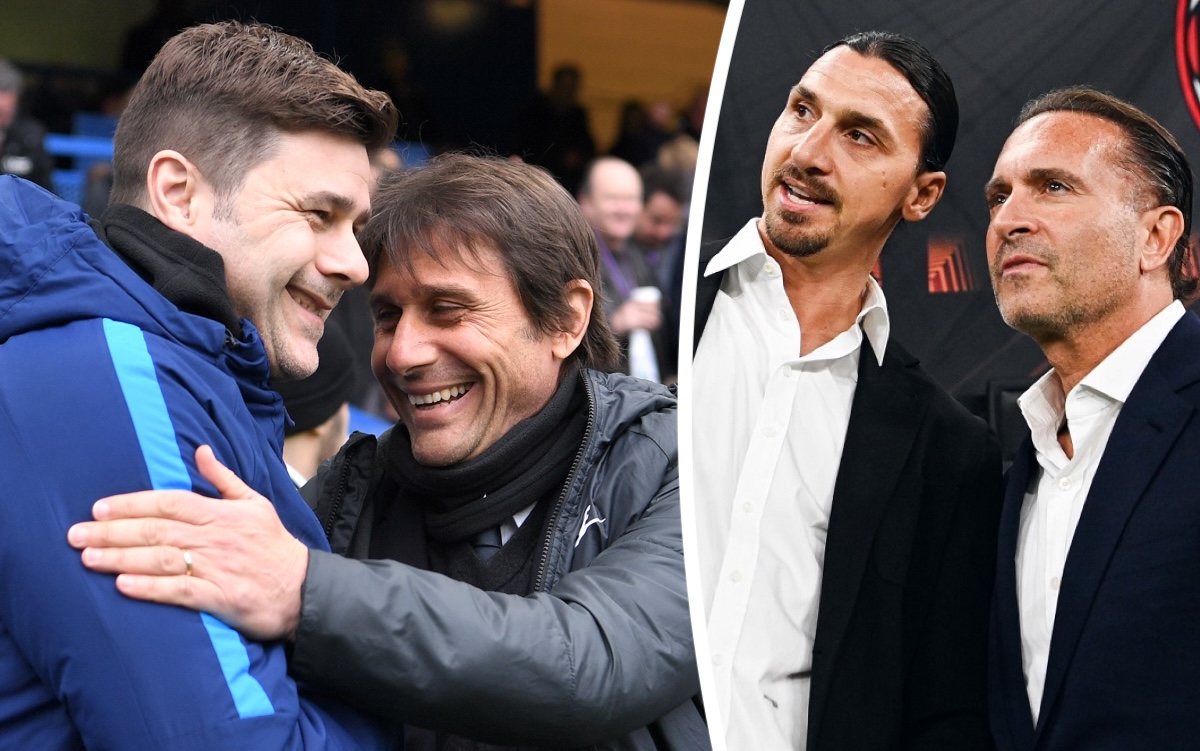
Why AC Milan courting Mauricio Pochettino is a massive gamble
5 hours agoMore Analysis
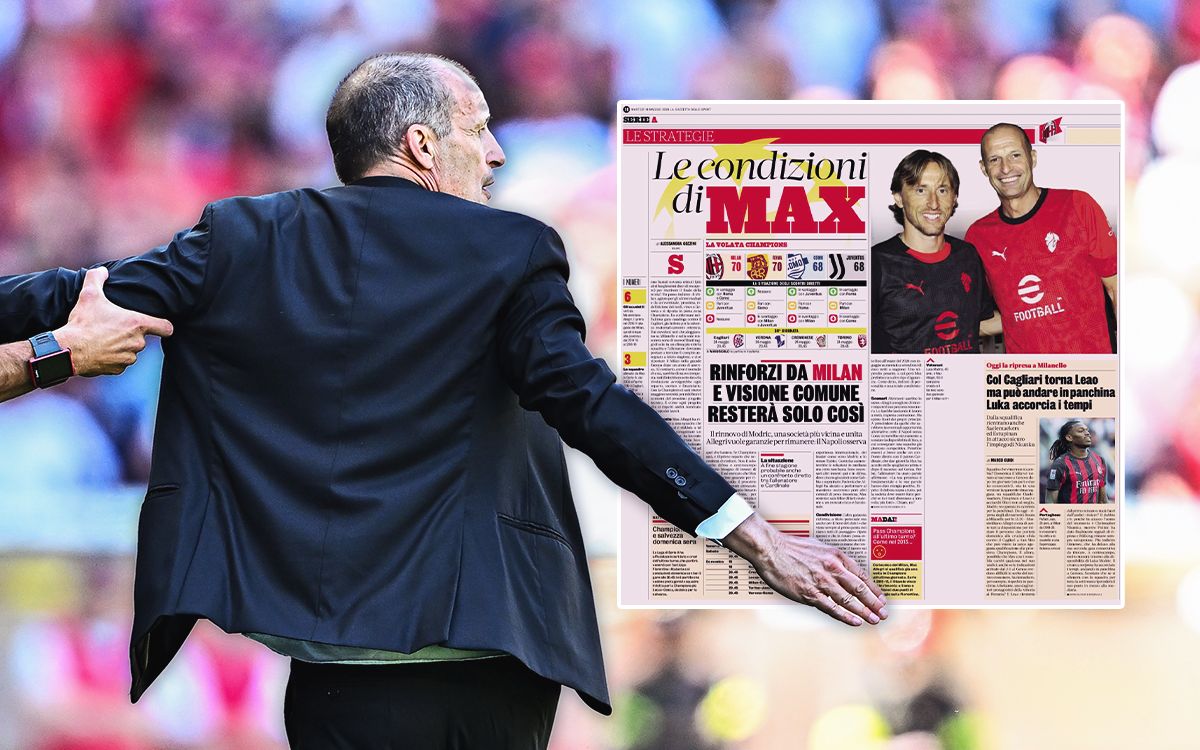
Massimiliano Allegri is betting his future on a desperate Milan revival
1 week, 3 days ago
Allegri is running out of excuses as Milan sink toward a new low
1 month, 2 weeks ago
Massimiliano Allegri is finally out of answers at AC Milan
1 month, 2 weeks ago
AC Milan's tactical identity crisis deepens after Napoli defeat
1 month, 3 weeks ago
Allegri is coaching a Milan team he doesn't actually trust
1 month, 1 week ago