The tactical collision in Budapest
Saturday night in Budapest is defined by a clash of structural intent. Arsenal enter this fixture as the Premier League champions, a team built on meticulous positional rotations and a defensive solidity that has forced opponents to settle for scraps in the final third. Watching David Raya’s journey from non-league Southport to the pinnacle of European football highlights the sheer discipline Arteta has embedded throughout the squad.
Jurrien Timber returning to the starting XI after his groin injury provides a significant personnel boost, allowing Arteta to re-introduce the inverted fullback role that stifles transition play. By tucked-in movement into the midfield, Timber effectively kills the space PSG’s wingers crave. It is a calculated move to negate Achraf Hakimi, whose injury concerns listed in current fitness updates render him a potential liability for Luis Enrique.
The Luis Enrique dilemma
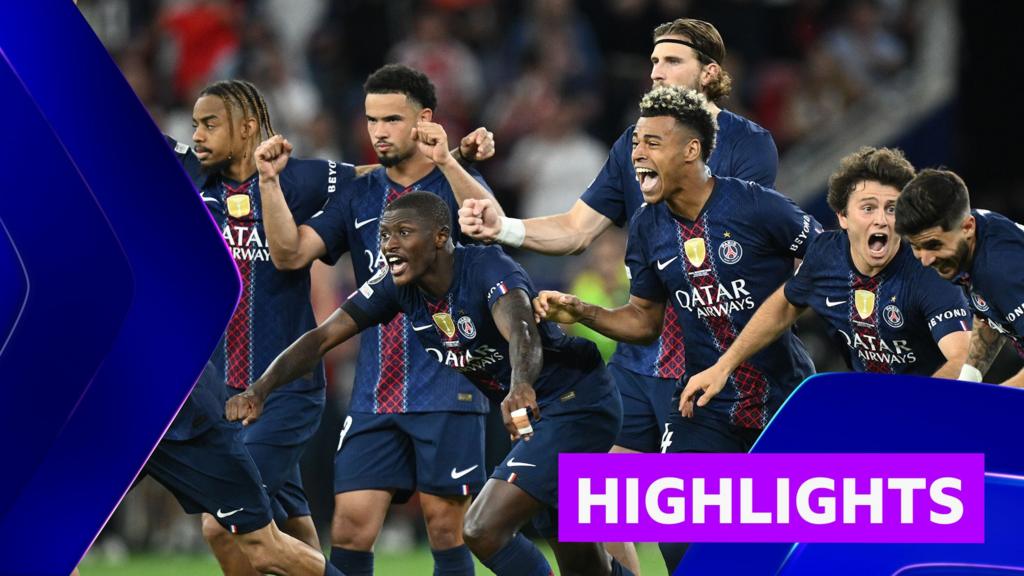
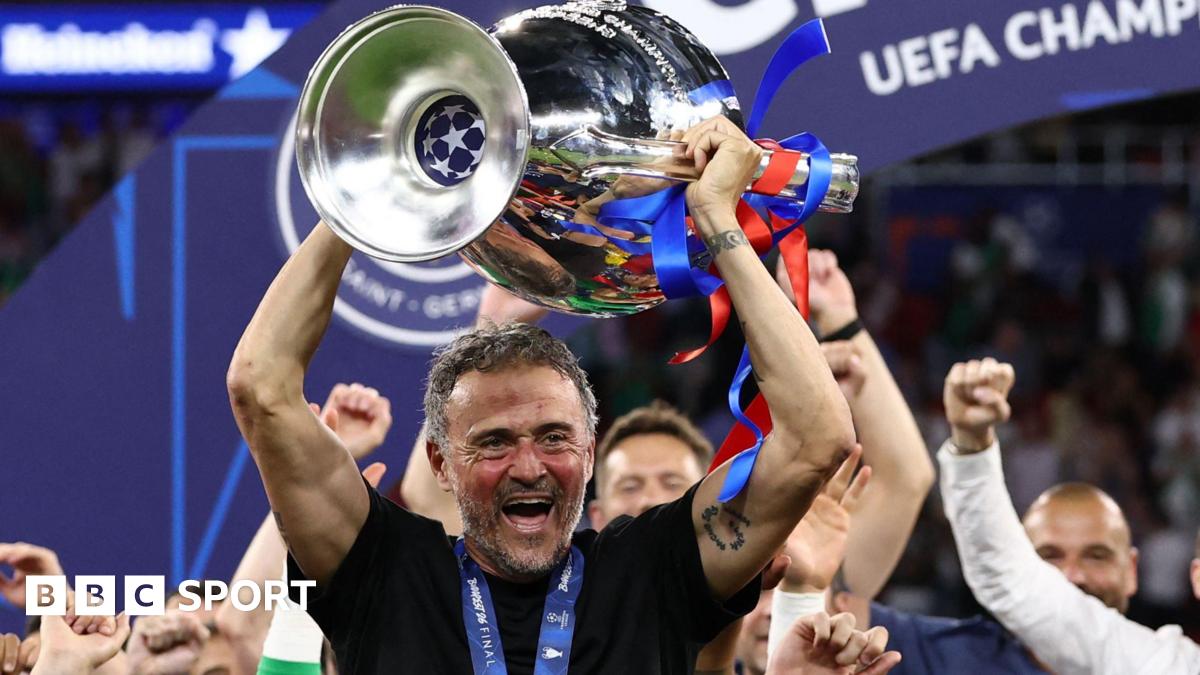
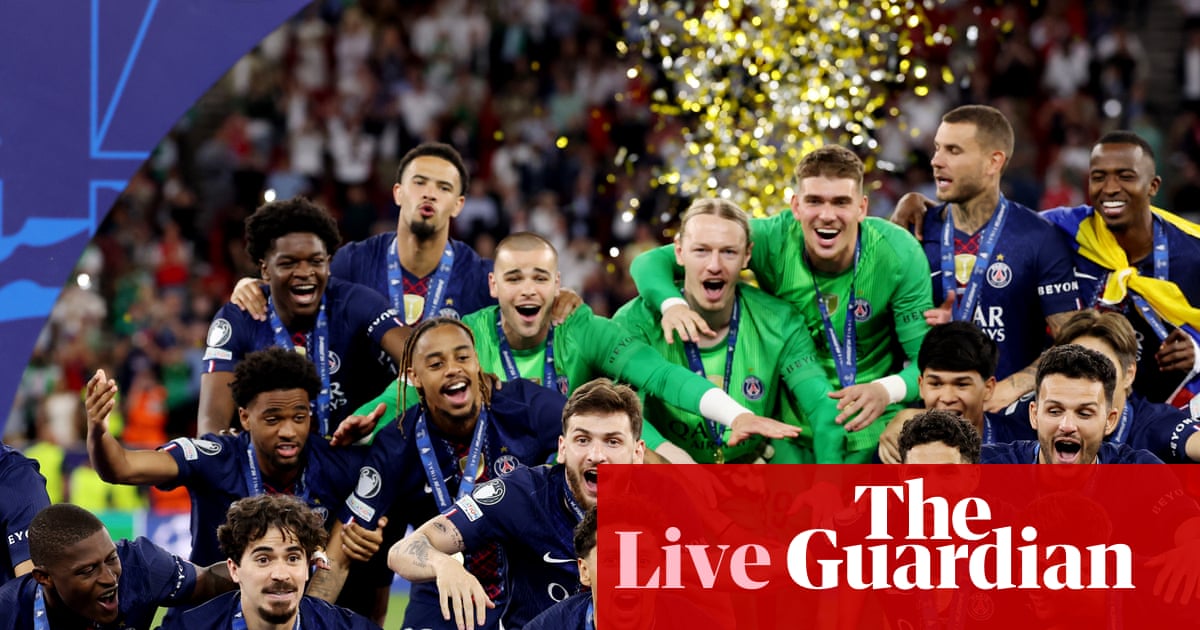
Luis Enrique aims for back-to-back titles, but his reliance on individual dynamism is a dangerous gamble against a well-drilled unit. PSG’s movement often hinges on transitional chaos, yet Arsenal has proven capable of sustaining 70% pressure in high-stakes matches. Forcing the game into a structural lockdown forces PSG to play against a low block, where their lack of a traditional target man becomes a glaring flaw.
Kai Havertz thrives in these high-leverage moments, and his familiarity with the stage—having scored the winner in the 2021 final—gives him an edge, as noted by recent analysis. If Arsenal keeps the turnover count below 15 in the middle of the park, PSG will struggle to string three consecutive passes against the defensive line. The reliance on individual brilliance to break down a rigid structure is a low-probability bet against a top-tier European defense.
The reality of the spectacle
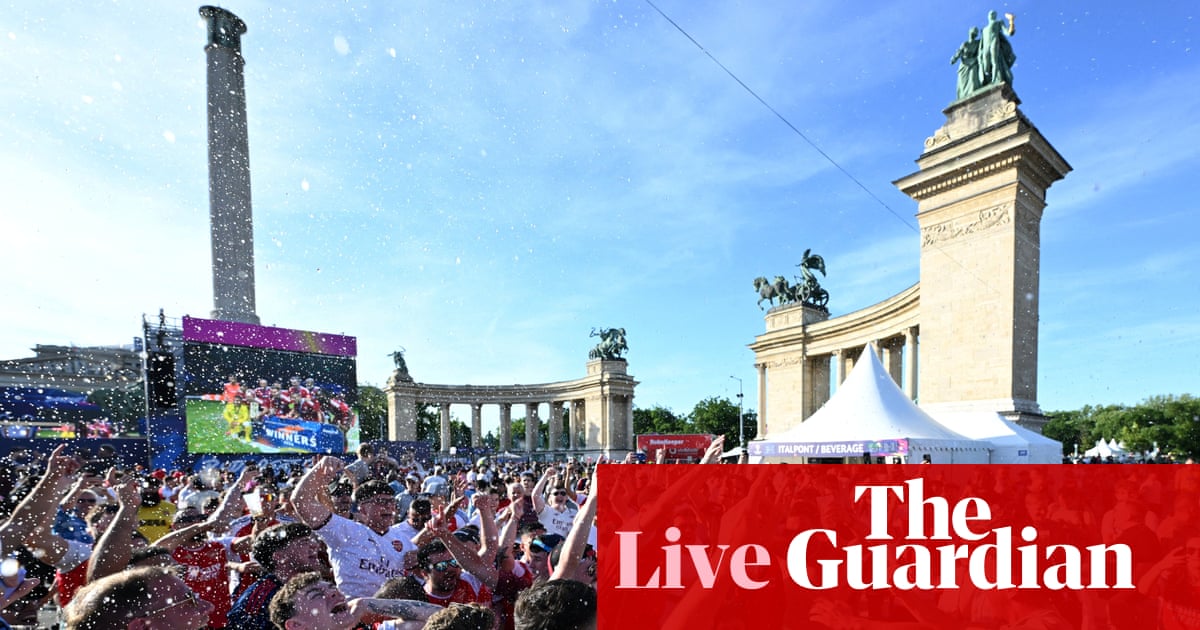
While the focus is on the turf, the atmosphere will be chaos. With 10,000 ticketless fans expected to arrive, the city’s resources are stretched to the limit, potentially distracting from the focus required for a 90-minute defensive shift. Security warnings have dominated local headlines, and while players are professional, the environment will be suffocating for whoever concedes the first goal.
My skepticism lies in Arsenal’s ability to kill the game off early. They often flirt with danger in the final 15 minutes by attempting to manage the clock rather than finish the opponent. However, the data confirms their defensive output is superior to any side PSG has faced this season. I expect a 2-0 victory for Arsenal, with PSG failing to register an xG higher than 0.8 in the entire match.
Read Next
- Arsenal need more than Havertz's history to unlock PSG
- Arsenal and PSG are locked in a tactical chess match for the trophy
- Arsenal's Champions League final gamble rests on Timber's fitness
- Arsenal vs PSG: The Champions League final is a tactical meat grinder
- ⚽ Ligue 1 2025-26 — PSG, Monaco & the Title Race Hub
- ⭐ UCL 2026 — Champions League Quarter-Finals Hub