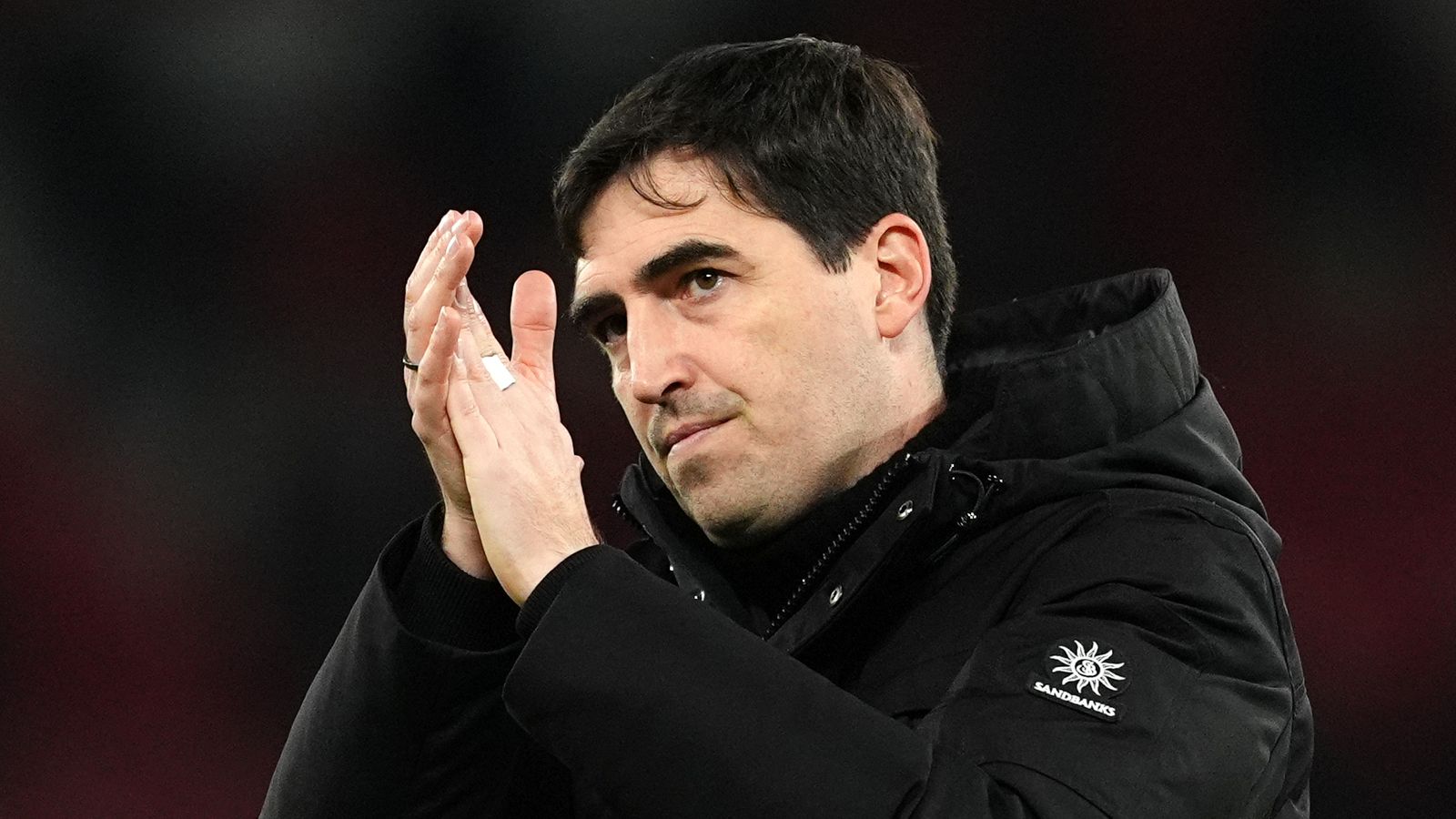
The End of an Era on the South Coast
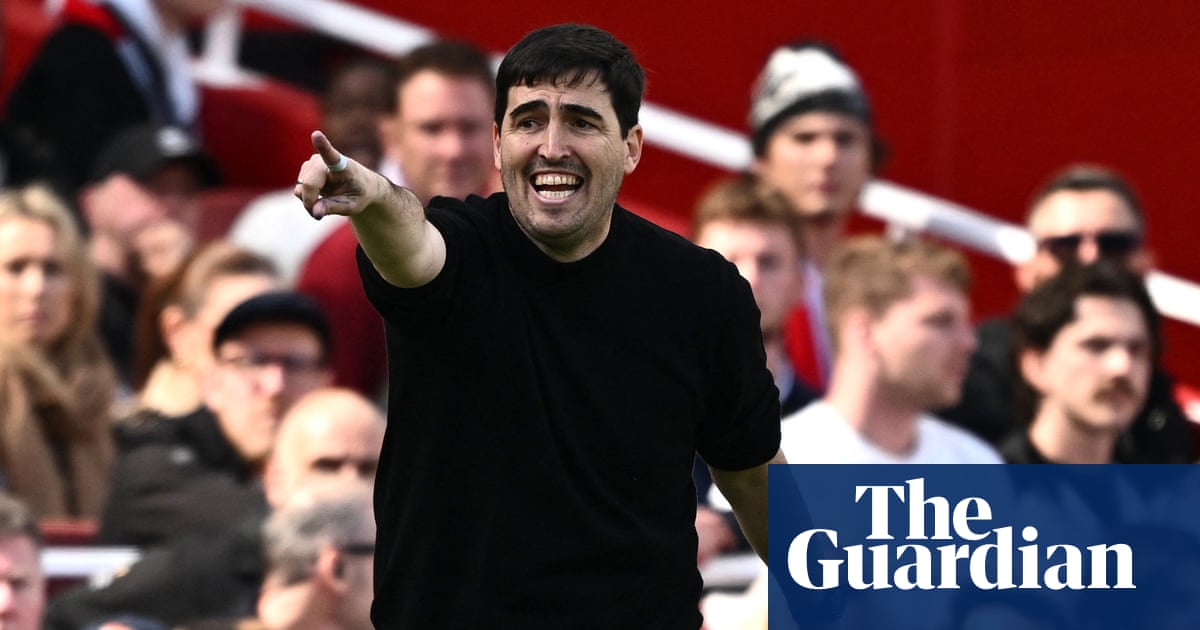
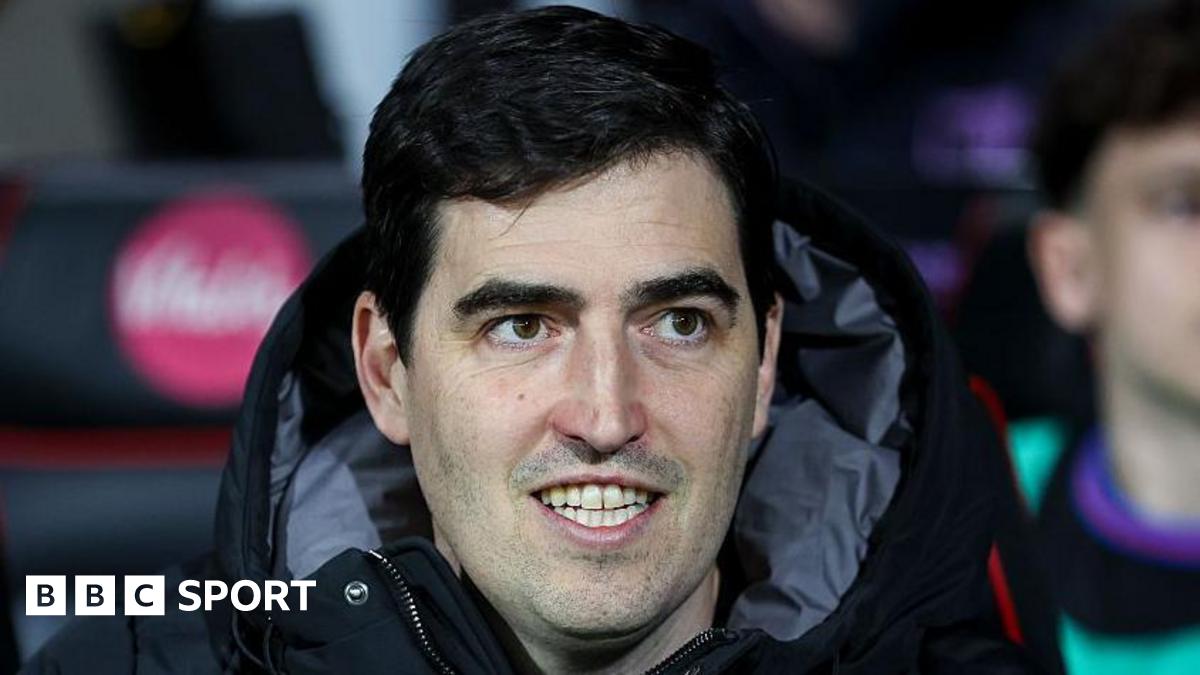
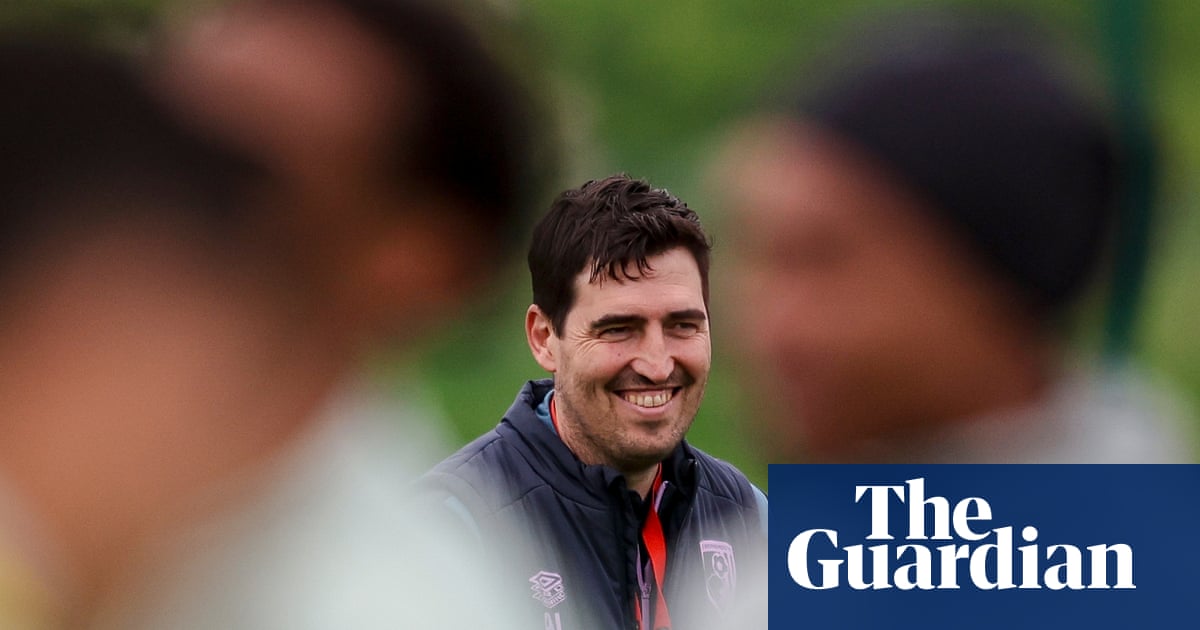
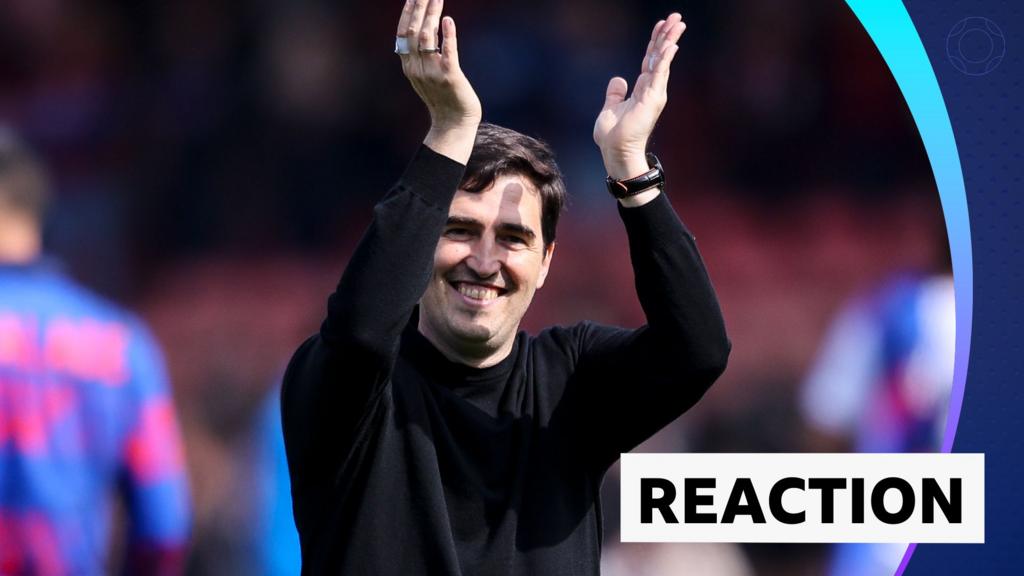
The news dropped like a lead weight this morning. Sky Sports confirmed that Andoni Iraola will step down as Bournemouth head coach at the end of the current season. This isn't just a managerial change; it is a total dismantling of the project that turned the Vitality Stadium into one of the most feared away days in the Premier League.
Iraola arrived in Dorset with a reputation for chaotic, high-intensity football, and he delivered exactly that. He took a squad that many predicted would sleepwalk into the Championship and turned them into a top-half disruptor. Now, with the 2025/26 campaign reaching its final stretch, the Cherries are faced with the impossible task of replacing a man who redefined their tactical DNA.
The announcement comes at a strange time. Bournemouth currently sits comfortably in the top ten, far removed from the relegation scrap that defines the club's historical baseline. Reports suggest the decision was mutual, but the reality on the ground feels like a manager who has outgrown his surroundings. Iraola is a hot commodity, and his departure signals a massive shift in the division’s middle-class hierarchy.
The Tactical Legacy of Iraola-ball
When Iraola replaced Gary O'Neil, the skeptics were loud. They pointed to the risk of a high defensive line and a pressing system that required elite fitness. Iraola ignored the noise. He implemented a hybrid press that focused on trapping opponents in wide areas, forcing hurried clearances that his midfield could swallow up. It wasn't always pretty, but it was effective.
Under his watch, Bournemouth became one of the leaders in high turnovers. They didn't just win the ball back; they won it back in positions that allowed for immediate strikes on goal. This wasn't the slow, sideways possession of the Eddie Howe era. This was a vertical, aggressive style that thrived on transition. The club recorded a PPDA (Passes Per Defensive Action) of 9.4 this season, ranking them among the league's elite for defensive activity.
However, the system had its flaws. The heavy metal approach led to significant fatigue in the final fifteen minutes of matches. Bournemouth dropped more points from winning positions than almost any other side in the top half this year. Critics will point to his refusal to sit deep when leading as a sign of tactical stubbornness. For Iraola, the best defense was always a more violent attack, even when the legs were gone.
The Player Development Pipeline
You cannot talk about Iraola without talking about Dominic Solanke. Before the Spaniard arrived, Solanke was seen as a hard-working forward who lacked the clinical edge required for the top level. Under Iraola, he became a complete number nine. The system allowed him to stay high and central, acting as the focal point for the press and the primary finisher for the low crosses provided by the wingers.
Antoine Semenyo and Justin Kluivert also saw their stocks explode. Semenyo, in particular, evolved from a raw athlete into a disciplined wide threat. Iraola demanded that his wingers track back and defend as much as they attacked. This dual responsibility made Bournemouth remarkably difficult to break down on the flanks, but it also placed an immense physical burden on the players. The concern now is whether a new manager will be able to extract the same level of output from a squad built specifically for this intensity.
Lewis Cook is another who found a second life under Iraola. Playing in the double pivot, Cook was tasked with being the quarterback of the counter-press. His ability to read the game and intercept passes was the glue that held the midfield together. Without Iraola's specific instructions, there is a real risk that these players regress into their previous roles. The squad was built to his specifications; now the specifications are changing.
The Succession Crisis and the Bill Foley Factor
Owner Bill Foley has been aggressive since taking over the club. He hasn't been afraid to spend money or make ruthless decisions, as evidenced by the original sacking of O'Neil. But this time, Foley is on the defensive. He has to convince a new manager to take over a project that is already peaking. The standard set by Iraola is dangerously high, and the pool of available replacements is shallow.
Names like Graham Potter and David Moyes are already being circulated by the bookmakers. Potter would represent a shift back to a more possession-oriented style, which might suit the technical players like Alex Scott but could alienate the high-energy attackers. Moyes would be the safe, pragmatic choice, but after three years of Iraola’s thrill-ride, the Vitality crowd might find his brand of football hard to stomach.
The risk for Bournemouth is that they fall into the same trap that caught clubs like Southampton or Swansea in the past. When a club finds a specific identity that works, the loss of the architect can lead to a slow, painful drift toward the bottom of the table. Foley needs to find someone who shares Iraola's philosophy, not someone who wants to tear it down and start over from scratch.
Where Does Iraola Go Next?
The rumor mill is already spinning. With several high-profile jobs likely to open up in Spain and Germany this summer, Iraola won't be out of work for long. A return to La Liga seems most probable, with Atletico Madrid reportedly keeping a close eye on his situation. His ability to overachieve with limited resources makes him the perfect candidate for a club looking to break the dominance of Real Madrid and Barcelona.
There is also the Premier League factor. West Ham and Everton are both expected to be looking for new leadership, and Iraola’s proven track record in England makes him a safer bet than a gamble from the continent. However, many believe he wants a crack at the Champions League. His exit from Bournemouth feels like a man who has finished the tutorial and is ready for the main quest.
The loss for Bournemouth is immeasurable. They are losing a manager who gave them a personality. In a league full of generic, risk-averse teams, the Cherries were always worth watching. They would lose 4-0 one week and beat a Big Six side 3-2 the next. It was chaotic, it was loud, and it was undeniably Iraola. Without him, Bournemouth risks becoming just another team in the 20-club rotation, fighting for scraps and hoping for a draw.
The Final Word on a Remarkable Tenure
As we look toward the final games of the season, the atmosphere at the Vitality will be bittersweet. There is gratitude for what has been achieved, but there is also a deep sense of anxiety. Bournemouth fans know how hard it is to find a manager who truly gets the club. Iraola didn't just get it; he improved it.
The decision to leave now, before the inevitable regression to the mean, is a smart career move for Iraola. He leaves at the top. For Bournemouth, the challenge is just beginning. They have a few months to find a new leader, or they risk watching everything they built over the last two years crumble before the August 2026 kickoff. The stakes couldn't be higher.
Bournemouth proved they could punch above their weight under Iraola. The question is whether they still have the chin to stay in the fight without him. It's a gamble Foley didn't want to take, but it's the one he's stuck with now. The era of Iraola-ball is coming to an end, and the silence in its wake is deafening.
Read Next