The shadow of Eddie Howe is finally gone
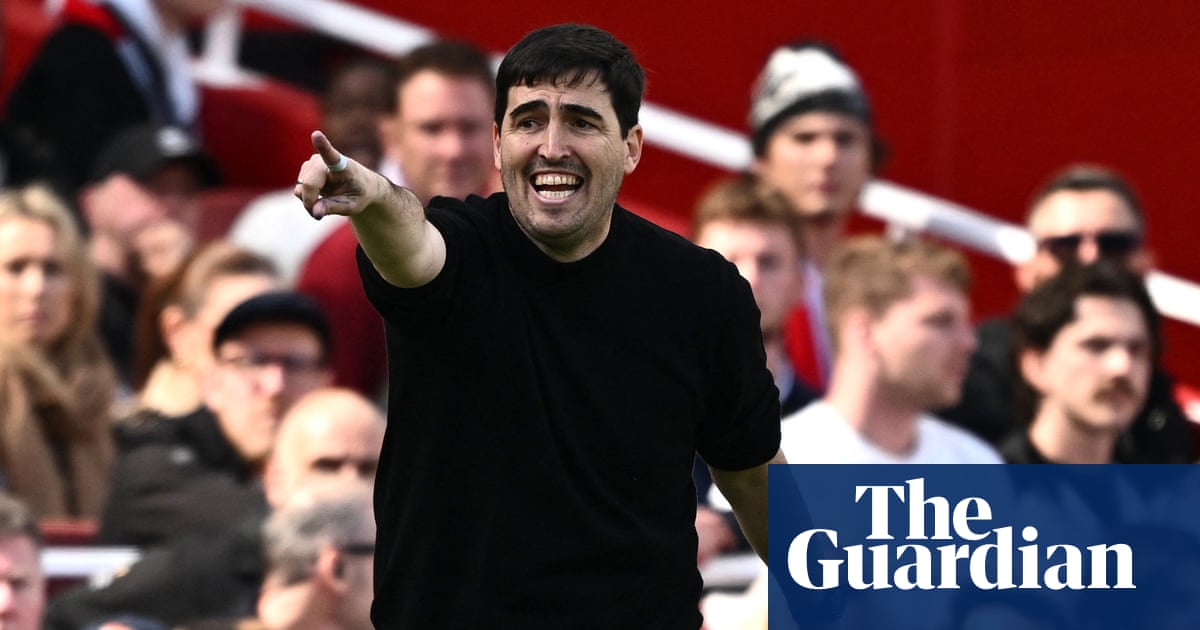
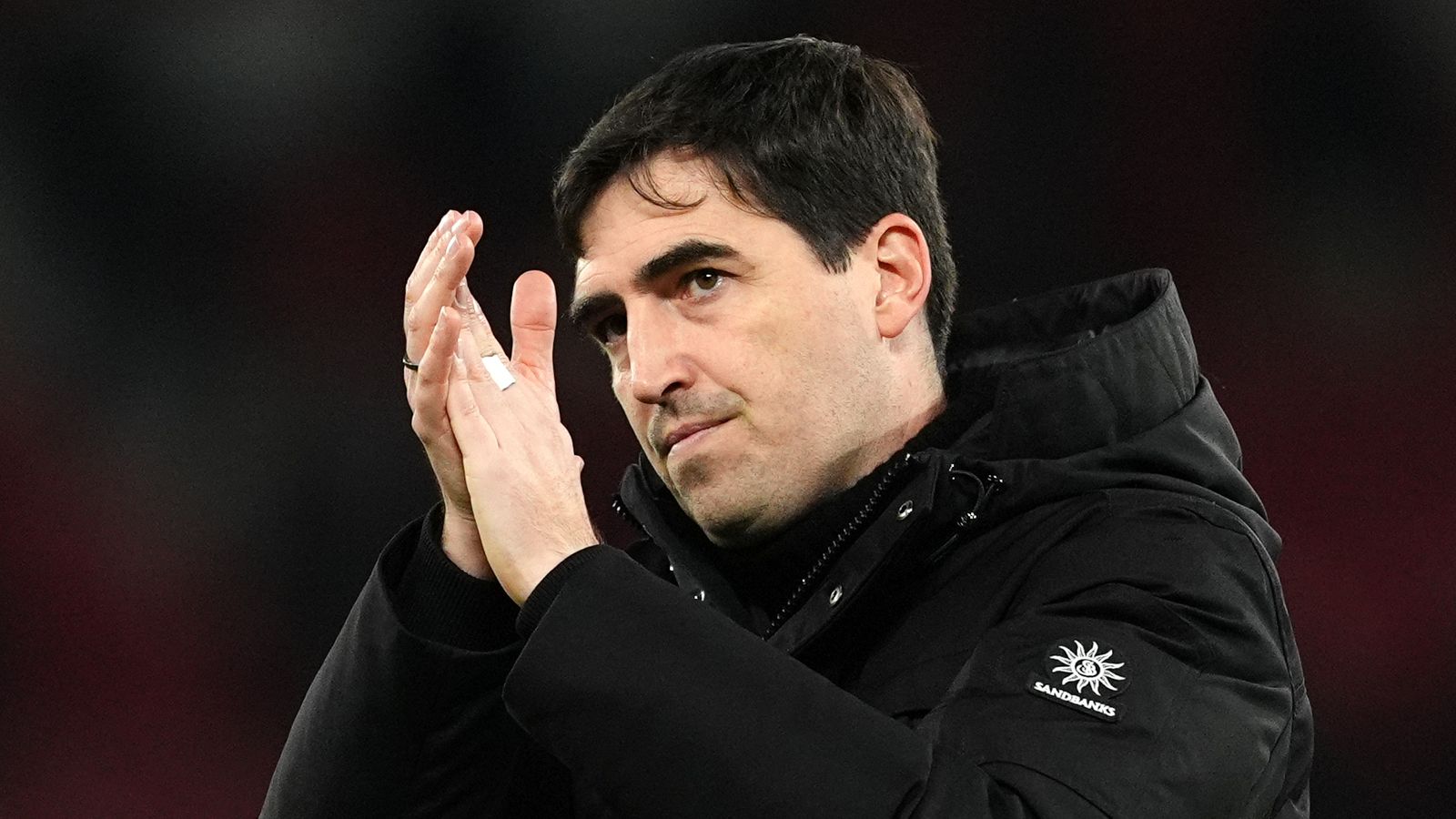
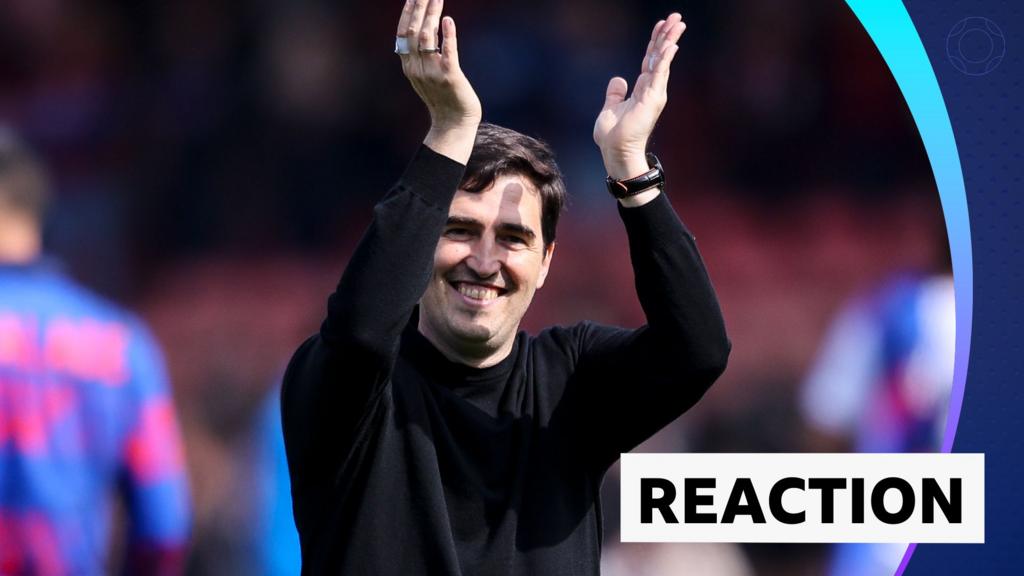
Andoni Iraola crossed the touchline at the Emirates last Saturday with a beaming grin. As Jeff Rueter noted in The Guardian, the manager is set to depart after this season. He leaves behind a club completely transformed.
Bournemouth’s thrilling performance at Arsenal was the culmination of a three-year project. When Iraola arrived on the South Coast, the ghost of Eddie Howe still lingered around the Vitality Stadium. Gary O'Neil had kept them up, but the football was grim, pragmatic, and fundamentally limited.
The underlying numbers back then were terrifying. They bled expected goals (xG) and survived on variance. The board took a massive gamble. They sacked a manager who had secured safety and hired a high-pressing Basque idealist.
It paid off spectacularly. Bournemouth survived comfortably. Then they evolved into a tactical powerhouse. They became a legitimate talent factory and one of the Premier League’s most entertaining sides. But the bill for that evolution is about to come due.
The final masterpiece at the Emirates
Look at the tape from last Saturday. Arsenal are chasing the title, desperate for points. They have the best home record in the league. Yet Bournemouth walked into the Emirates and treated them like a mid-table side.
The 2-1 victory wasn't a smash-and-grab. It was a tactical clinic. Iraola identified that Arsenal's left-back was pushing too high in possession, leaving a massive structural gap in the transition. He instructed his right-winger to cheat defensively, staying ten yards higher than usual.
When the turnover happened in the 62nd minute, the out-ball was immediate. Two passes, a devastating cutback, and the ball was in the net. That wasn't luck. That was ruthless, forensic preparation.
Arsenal looked completely bewildered. Mikel Arteta spent the last thirty minutes frantically tweaking his shape, but Bournemouth had an answer for everything. They dropped into a mid-block, closed the passing lanes to Martin Ødegaard, and suffocated the game.
That 90 minutes encapsulated everything great about Iraola's tenure. Bravery, tactical flexibility, and a complete lack of fear against superior opposition. The club is losing a coach. But more fatally, they are losing the sheer arrogance required to step onto the pitch against the elite and expect to win.
The pressing trap that broke the top six
You cannot understand Iraola's impact without looking at the raw data. In his first season, Bournemouth's PPDA (Passes Allowed Per Defensive Action) dropped by nearly four passes. They stopped waiting. They started hunting.
By this season, they are regularly out-pressing the established elite. The system is ruthless. It relies on absolute athletic commitment and precise, coordinated triggers. When an opposition center-back turns blindly, the trap snaps shut.
We saw it repeatedly against Manchester United and Chelsea. The wide players pinch inside, the striker cuts off the passing lane to the holding midfielder, and the trap is set. It is suffocating. It forces turnovers high up the pitch, creating high-value chances.
But the system is not without flaws. The fatal weakness of Iraola-ball is the high line. When the initial press is bypassed, the defense is left brutally exposed. If a holding midfielder gets turned, the center-backs are suddenly sprinting back toward their own goal in a panic.
A single missed tackle in the middle third often results in a massive chance for the opposition. We saw that exact failure against Manchester City in February. They were carved open three times in twenty minutes because the midfield double-pivot pushed ten yards too high.
That structural risk was accepted. The fans loved the chaos. The board loved the results. But it required a very specific type of manager to keep the squad believing in a system that occasionally humiliated them.
The talent factory and the value machine
Iraola built a high-octane pressing structure. But his most lucrative achievement is elite player development. Look at the balance sheet. Look at the squad value.
Players who looked completely lost under previous regimes suddenly looked like £40m assets. The recruitment team deserves massive credit for finding the right profiles, but Iraola built the machine that made them shine. He turned raw, chaotic athletes into highly specialized tactical weapons.
He improved their decision-making in the final third. He taught full-backs how to invert seamlessly without losing their defensive bearings. He turned a disjointed attack into a cohesive, terrifying unit.
This is precisely where the fear sets in for Bournemouth supporters. Who keeps this machine running when the architect leaves?
The system is incredibly specific. The physical demands are absurd. You cannot plug a generic, mid-table pragmatist into this squad and expect the same output. The squad is built for heavy metal football. If you ask them to play jazz, they will collapse.
The impending cliff edge for the Cherries
Bournemouth are staring at a massive, terrifying drop-off next season. The squad is entirely built for one man's highly specific vision. That man is packing his office.
Premier League history is brutal to overachieving clubs that lose elite tactical managers. Look at Southampton after Mauricio Pochettino. Look at Swansea after Michael Laudrup. The regression to the mean is vicious, rapid, and entirely unforgiving.
The front office will undoubtedly try to find an ideological successor. They will look for someone from the Marcelo Bielsa coaching tree. They will scour La Liga for another aggressive tactician.
But those managers are incredibly rare. The good ones are already employed at bigger clubs. The available ones usually have glaring flaws in their game management or defensive organization.
If the board panics and hires a pragmatist — a Sean Dyche or a David Moyes figure — the entire squad profile becomes obsolete overnight. The high-energy pressers won't fit a low block. The ball-playing defenders will be forced into a system they hate. It will be a disaster.
The transition tax is too high
The fixture computer will not care about their transition period. The Premier League is a meat grinder. If you start slow, you get swallowed whole by October.
Remember Iraola's early days? They failed to win any of their first nine league games. The tactical transition was agonizing. The players looked confused. The board held their nerve, which was a minor miracle.
Will they do it again for an unproven replacement? Absolutely not. The financial stakes are simply too high right now. The pressure of the impending new broadcasting cycle is immense. The margin for error is effectively zero.
Furthermore, the recruitment pull vanishes. Players came to the Vitality Stadium specifically to play for Iraola. They wanted to learn his system and secure a big move. That magnetic draw disappears the second he signs a contract elsewhere.
The tactical void left behind
Let's break down what actually goes missing on the pitch. Pundits will point to energy and passion. Those are lazy cliches. The real loss is the highly coordinated half-space occupation.
Under Iraola, the left side operated entirely differently from the right. It was a deliberate, chaotic overload designed to isolate the opposite winger in a 1-on-1 situation. It required months of relentless training ground repetition to perfect.
A new manager will arrive in July and immediately want to implement his own ideas. That means the squad must unlearn two years of deeply ingrained tactical habits. That kind of cognitive reset usually costs a team 10 to 15 points over a season.
For a team operating in the tight margins of the Premier League mid-table, losing 15 points is fatal. It is the exact difference between a comfortable May spent planning for the summer, and a terrifying, soul-crushing relegation scrap.
A brutal prediction for 2026/27
So where does this actually leave them? Let's stop pretending this is a normal managerial cycle. It isn't. This is the end of an era.
Bournemouth will drop like a stone next season. The tactical identity will fracture almost immediately. The key players will look confused and frustrated. The recruitment strategy will suddenly look wildly disjointed.
I expect them to finish between 16th and 18th next year. They will spend most of the spring desperately looking over their shoulders. The Vitality Stadium will lose that electric, giant-killing energy that defined the last three years.
The Iraola era was a beautiful, chaotic anomaly. It proved that a small club with smart ideas and total commitment can punch way above its weight class. But gravity always wins eventually in this league.
Andoni Iraola pulled them out of the shadow of their past. But the light he brought is walking out the door with him in May. The darkness of the bottom half is waiting, and Bournemouth are completely unprepared for it.