Measuring the Bournemouth intensity
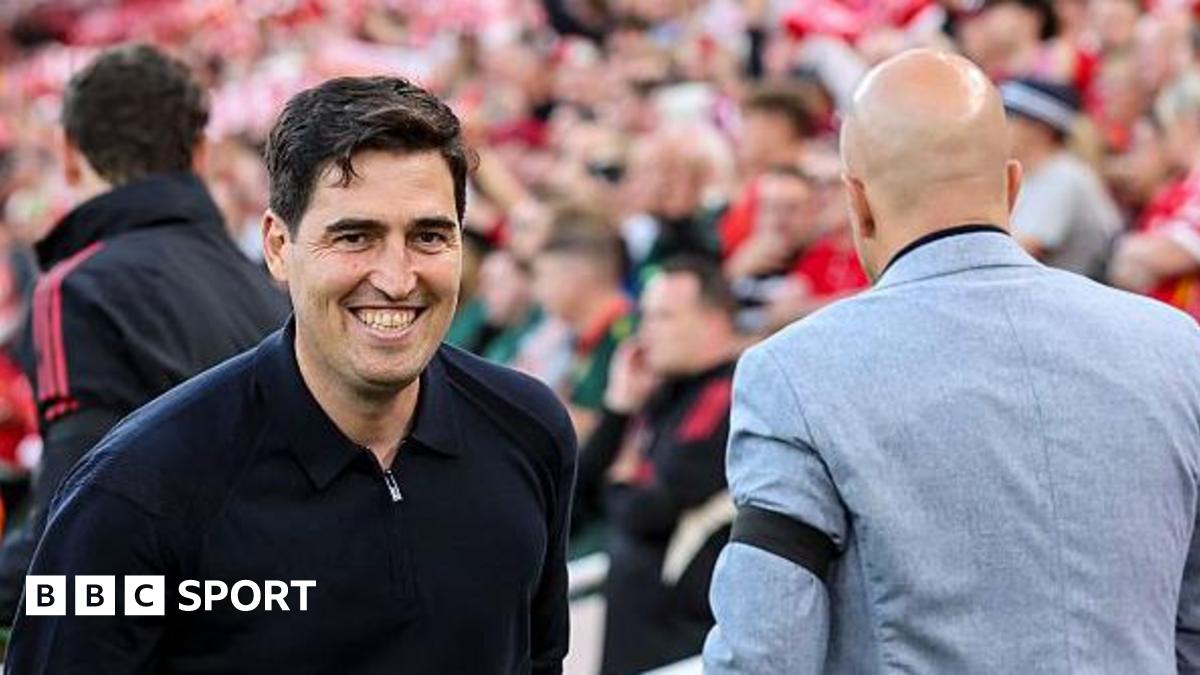
Liverpool require a successor capable of sustaining the high-octane transition game that defined the Jurgen Klopp era. Andoni Iraola’s Bournemouth side finished the 2025-26 season with an impressive 11.2 passes per defensive action, a metric that signals an aggressive, front-foot approach to ball recovery. This puts the Cherries among the most proactive pressing units in the Premier League. When compared to the top four finishers, this intensity is significant.
The defensive risk behind the numbers
Such an aggressive defensive line provides an objective advantage in ball retention, yet it invites high-value verticality from opponents. Throughout the campaign, Bournemouth conceded an xG of 1.45 per match. This figure is statistically inferior to the league leaders who typically maintain sub-1.00 xG against averages. A high defensive line requires rapid recovery pace from center-backs to avoid isolation.
Iraola expects his forwards to initiate contact long before the ball enters the final third. His side led the league with 325 total high turnovers, a stark improvement from his debut year at the Vitality Stadium. This tactical choice mirrors the high-energy demands Anfield supporters expect, yet the sustainability of this output over a 38-game schedule remains the primary analytical concern.
Tactical alignment for the post-Klopp transition
Liverpool’s reliance on transition moments necessitates a coach who understands spacing for quick vertical breakthroughs. As recent reports suggest, the front office is looking for a manager who preserves the club's established pressing habits. The contrast between Iraola’s current squad depth and a Champions League-level roster is vast.
If Iraola adopts a 4-2-3-1 structure, he must ensure the double-pivot covers 65 percent of the central pitch area during defensive transitions. His ability to modernize the midfield structure without sacrificing the 48 percent average possession share Bournemouth maintained is crucial. Finding the balance between relentless pressing and defensive solidity is the difference between a top-four finish and domestic disappointment.
The statistical reality of the move
The transition from a mid-table side to a title challenger involves adjusting to opponents who pack the final third. Iraola’s ability to break down low blocks will be tested against the 14 teams that typically sit deep against Liverpool at Anfield. Bournemouth’s progressive carry rate of 12.4 per game indicates a manager who prizes individual ball progression over intricate, static buildup play. This shift in operational logic is a, perhaps necessary, departure from current norms.
The data suggests that while the intensity is present, the defensive structure lacks the 90-minute consistency required to challenge for the Premier League crown. Whether he can tighten the defensive gaps while maintaining the high turnover rate at a elite club level will define his tenure. Liverpool are betting that the energy of the system compensates for the tactical volatility inherent in his approach to the game.