The instability of hero worship
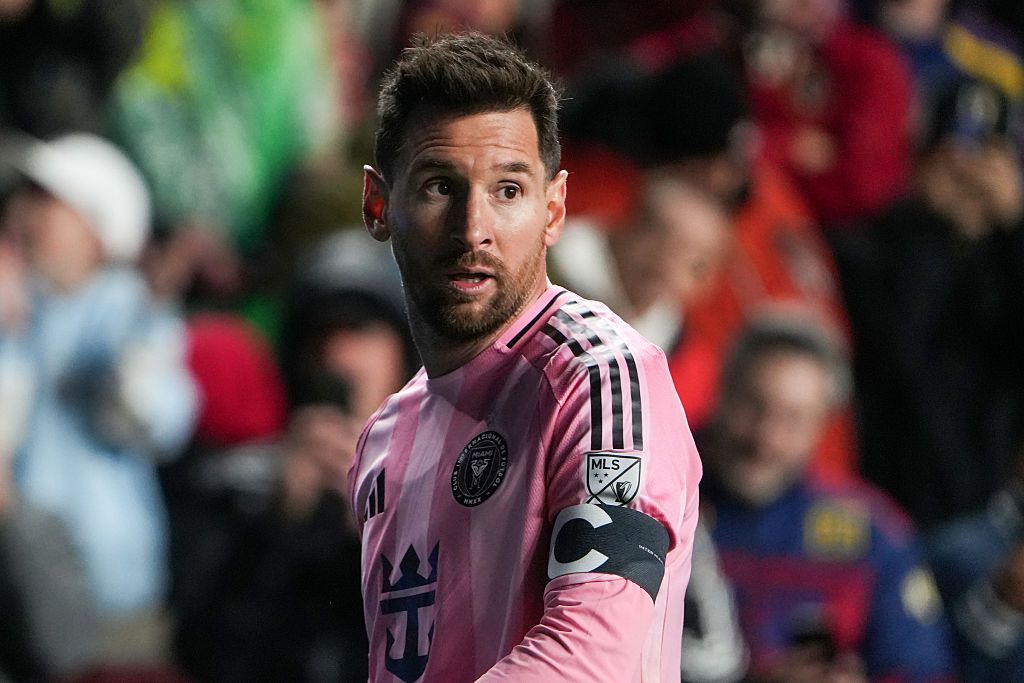
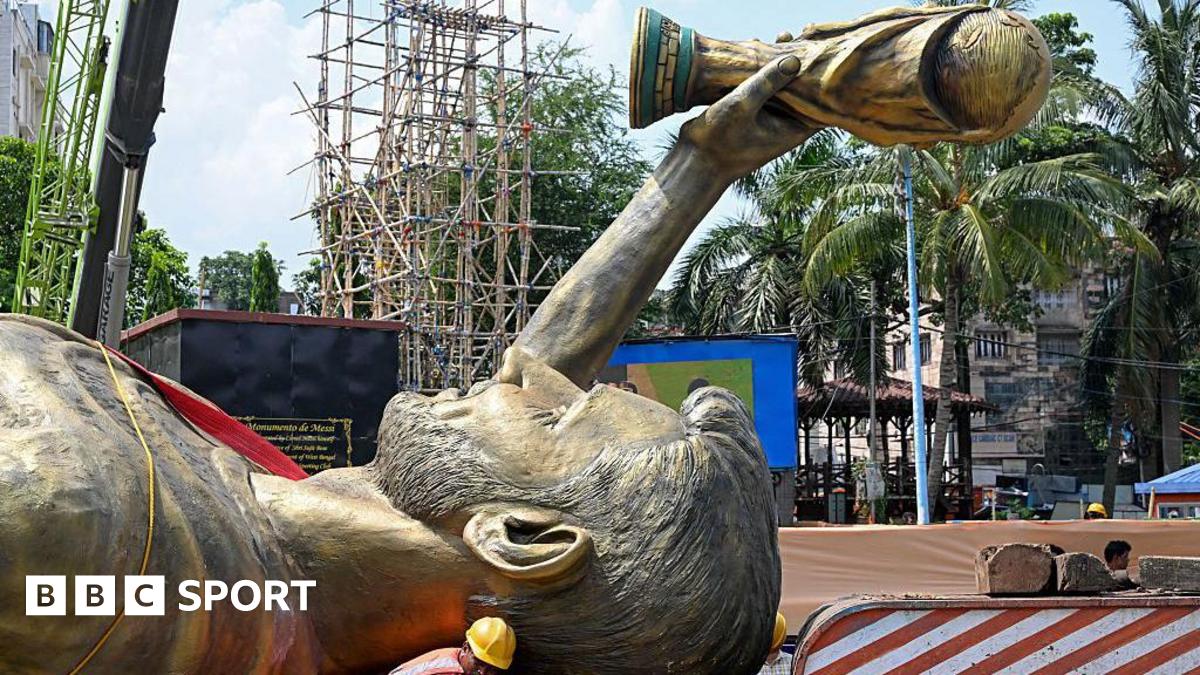
In May, authorities in India dismantled a 70-foot statue of Lionel Messi. It was a structural failure that serves as a metaphor for the modern obsession with placing athletes on literal pedestals before their careers have even concluded. When an effigy becomes a legitimate safety hazard because it is literally swaying in the wind, it is time to reconsider the scale of our devotion.
The removal highlights the absurdity of attempting to capture the essence of a player like Messi through static, oversized steel and fiberglass. His game is defined by micro-movements, the sudden shift on his left foot, and the vision that dictates tempo across 105 to 110 meters of turf. A 70-foot sculpture lacks the nuance to capture the 88 percent pass completion rate he maintained across his European campaigns.
Tactical grace over steel beams
Football is a game played in the details of spacing and pressing triggers. Messi flourished in systems where movement was fluid and coordinated, not fixed to a concrete foundation. Attempting to commemorate a player who makes his living in the ephemeral space between defenders by building a swaying tower is a fundamental misunderstanding of the sport.
There is a specific irony in the timing of this teardown occurring just weeks before the World Cup kicks off on June 11, 2026. As the globe pivots its attention toward the actual pitch and the tactical intricacies of the upcoming tournament, we are reminded that icons are measured by their output on the field, not their presence in the town square.
The danger of static legacies
Critically, the statue failed because it could not withstand the physical environment. Much like a deep-lying playmaker forced into an aggressive high-press system they are not built to execute, the structure was doomed by its lack of structural integrity. It was an aesthetic error that mirrors how some managers misuse personnel.
We have seen clubs inflate the importance of individual legends at the expense of squad cohesion. When an organization focuses entirely on the brand of one player, ignoring the structural requirements of the rest of the XI, the system eventually sways, cracks, and collapses under the pressure of expectation. This is recent reporting on the statue removal acts as a necessary reminder that sports fandom often prioritizes the image over the performance.
The forecast for mid-June
I predict that as we approach the World Cup, discourse surrounding legacy will shift away from these oversized tributes and back toward quantifiable performance metrics. We will see teams abandon the rigid structures that define failing projects and favor high-tempo, position-less attacks that rely on tactical discipline rather than individual cults of personality.
The statue was simply a distraction from the reality that football is a living, breathing chess match. Any attempts to freeze a player in history via massive, swaying statues will invariably end with a crane and a demolition crew. My call? Trust the data, watch the tactical lines, and leave the stone carving to the sculptors who actually understand load-bearing requirements.