The shadow of the Etihad looms over Merseyside
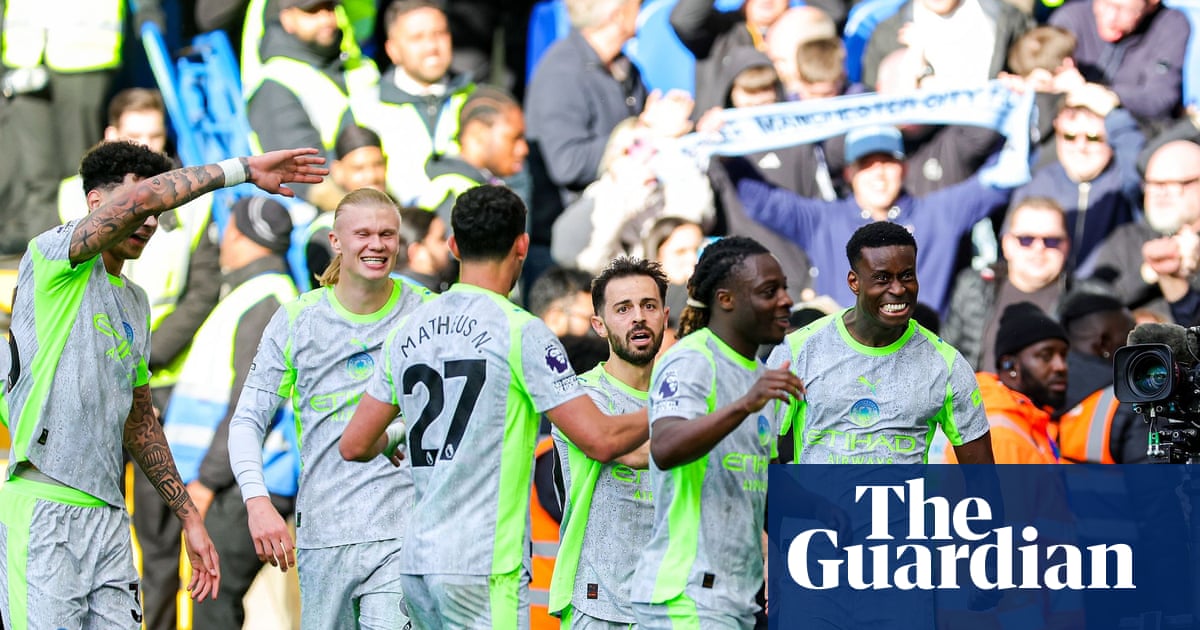
Manchester City’s emphatic dismantling of Chelsea yesterday was a calculated message sent directly to the rest of the Premier League. As The Guardian reported, City have closed the gap in the title race during a blistering spell that showcased an artistry few can match. For Liverpool, the timing couldn't be more suffocating. They wake up this morning with City breathing down their necks domestically, knowing that in forty-eight hours, they must pivot to defend their European season against a rejuvenated Paris Saint-Germain.
The 1-1 draw in the first leg at the Parc des Princes was a tactical masterclass in transition management. Arne Slot’s Liverpool were disciplined, rigid, and perhaps slightly fortunate to escape Paris with an away goal. Luis Enrique has successfully transformed PSG from a collection of drifting superstars into a cohesive, high-pressing unit that hunts in packs. The absence of individual egos has birthed a collective intensity that Liverpool struggled to bypass for large periods of the opening ninety minutes.
Breaking the Parisian press
In the first leg, PSG’s front three of Bradley Barcola, Désiré Doué, and Ousmane Dembélé forced Liverpool into uncharacteristic errors. The pressing triggers were clearly defined: whenever the ball reached Virgil van Dijk’s left-hand side, PSG swarmed. It forced Liverpool to go long more often than Slot would have liked, bypassing a midfield that usually dictates the rhythm of the game. At Anfield, the onus shifts. Liverpool must find a way to play through the first line of the Parisian press without exposing their high defensive line to the verticality of Barcola.
Barcola’s performance in Paris was a warning shot that Liverpool’s coaching staff cannot ignore. He repeatedly targeted the space behind the advancing full-backs, exploiting the three-second delay in Liverpool's recovery runs. If PSG can replicate that transition speed on Tuesday night, they will find joy. However, Anfield has a historical habit of shrinking the pitch for visiting sides. The crowd noise acts as a literal twelfth man, often disrupting the communication required for the intricate, possession-heavy style Luis Enrique demands.
The Salah constant in a changing tactical world
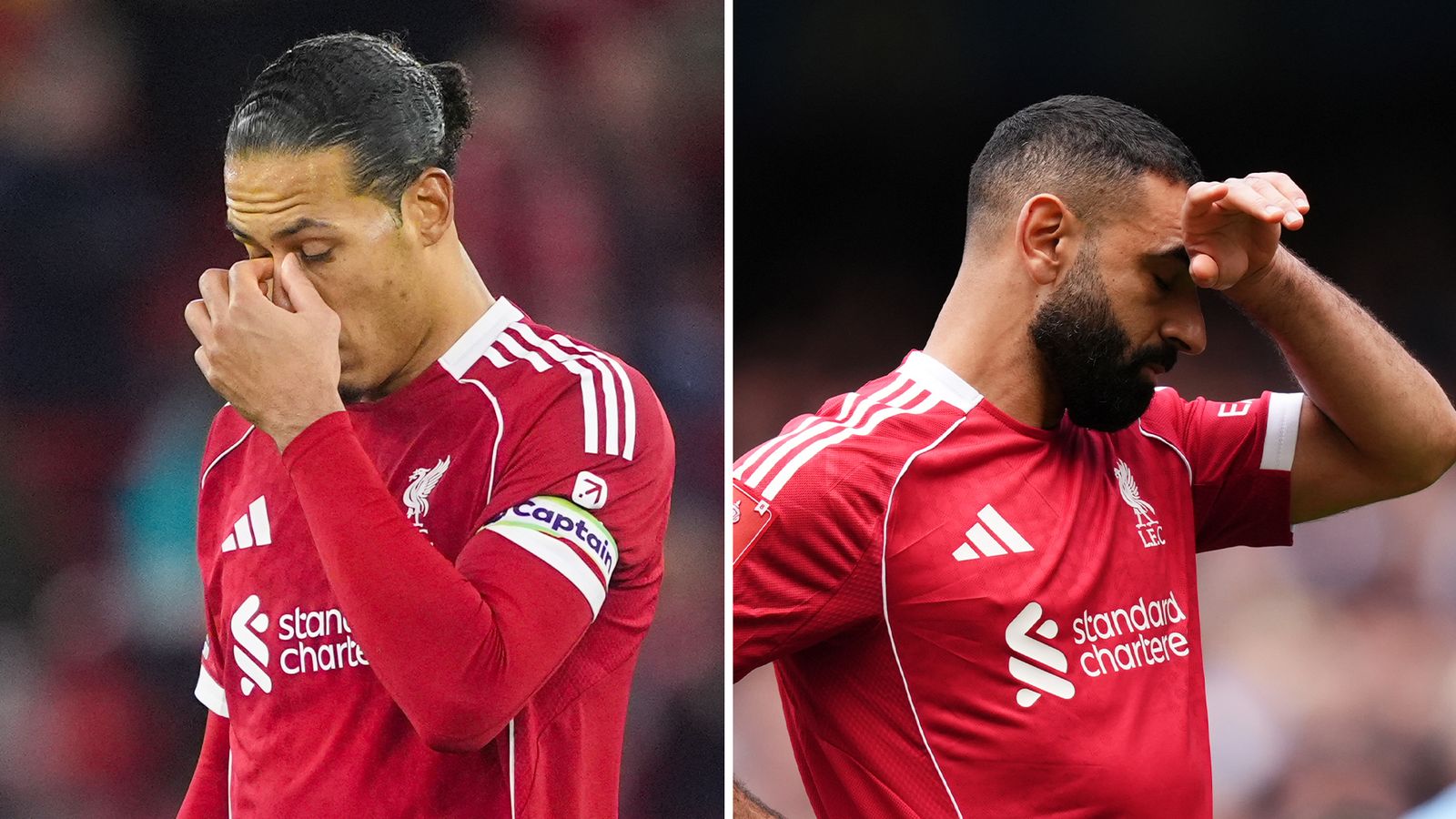
While the tactical systems evolve, Mohamed Salah remains the most predictable source of unpredictable brilliance. His equalizer in Paris was a testament to his positional intelligence — a drifting run that pulled the PSG center-backs out of alignment just long enough to exploit the half-space. In a match likely to be decided by fine margins, Salah’s ability to remain productive despite seeing less of the ball is Liverpool's greatest asset. He doesn't need to dominate the game to decide it.
Luis Enrique’s PSG has a glaring flaw that became evident during the final twenty minutes in France: a lack of clinical ruthlessness in the absence of a traditional number nine. They created 1.85 xG in the first leg but only found the net once. Without a focal point to occupy the center-backs, PSG’s attacks often look pretty until they reach the edge of the eighteen-yard box. If they fail to convert their early dominance at Anfield, the psychological weight of the stadium's history will start to feel very heavy indeed.
Predicting the Anfield atmosphere
Liverpool's approach will likely be more proactive than the cautious display we saw in Paris. Slot understands that an early goal essentially kills the tie given the aggregate score and the away goals rule still weighing on Parisian minds. Expect Darwin Nunez to start as a chaotic disruptor, intended to prevent the PSG center-backs from building play comfortably from the back. It’s a risky strategy, but one that aligns with the aggressive identity Liverpool have maintained under their new management.
"Paris under the floodlights was a test of our resolve, but Anfield is a test of their character. We know what this stadium does to teams who think they have control."
My concern for Liverpool lies in their tendency to switch off during defensive transitions. We saw it against Chelsea briefly, and we saw it in the first leg. If they allow Doué or Barcola to turn and face the goal with twenty yards of grass in front of them, the 1-1 aggregate will vanish quickly. Liverpool must be perfect in their rest defense, ensuring that at least one holding midfielder stays disciplined while the full-backs join the attack.
A confident call for the second leg
Despite the defensive risks, I cannot see this PSG side surviving ninety minutes of sustained Anfield pressure. They are technically superior to many teams Liverpool face, but they lack the defensive grit required to weather the storm when the crowd gets involved. Liverpool's European pedigree isn't just a myth; it's a tangible psychological advantage that manifests in the final third of matches. The pressure from City's win at Chelsea will serve as fuel rather than a distraction.
Liverpool will control the tempo from the whistle, looking to isolate Salah against Nuno Mendes. Once the first goal goes in, the floodgates usually open at this ground. PSG will be forced to chase the game, leaving themselves vulnerable to the exact kind of devastating counter-attacks that defined the Klopp era and have been refined under Slot. It won't be a blowout, but it will be a professional, high-intensity victory for the home side.
The final score at Anfield will reflect the difference in clinical finishing. While PSG will have their moments of aesthetic brilliance, Liverpool have the goal-scorers who thrive in these high-stakes environments. Expect a nervy first half followed by a dominant second-half performance that sees the Reds through to the semi-finals. Liverpool are about to remind Europe why they are the team nobody wants to draw in the knockout stages.
Final Prediction: Liverpool 2-0 PSG (Liverpool advance 3-1 on aggregate).
Read Next
- Unai Emery is gambling with Villa's top four hopes at the City Ground
- Top 10 Moments That Blew Up The Football Season
- Manchester City’s 17-minute blitz at Chelsea proves the title is still theirs to lose
- Jack Wilshere is winning trophies and Union Berlin is making history
- ⚽ Ligue 1 2025-26 — PSG, Monaco & the Title Race Hub
- ⭐ UCL 2026 — Champions League Quarter-Finals Hub