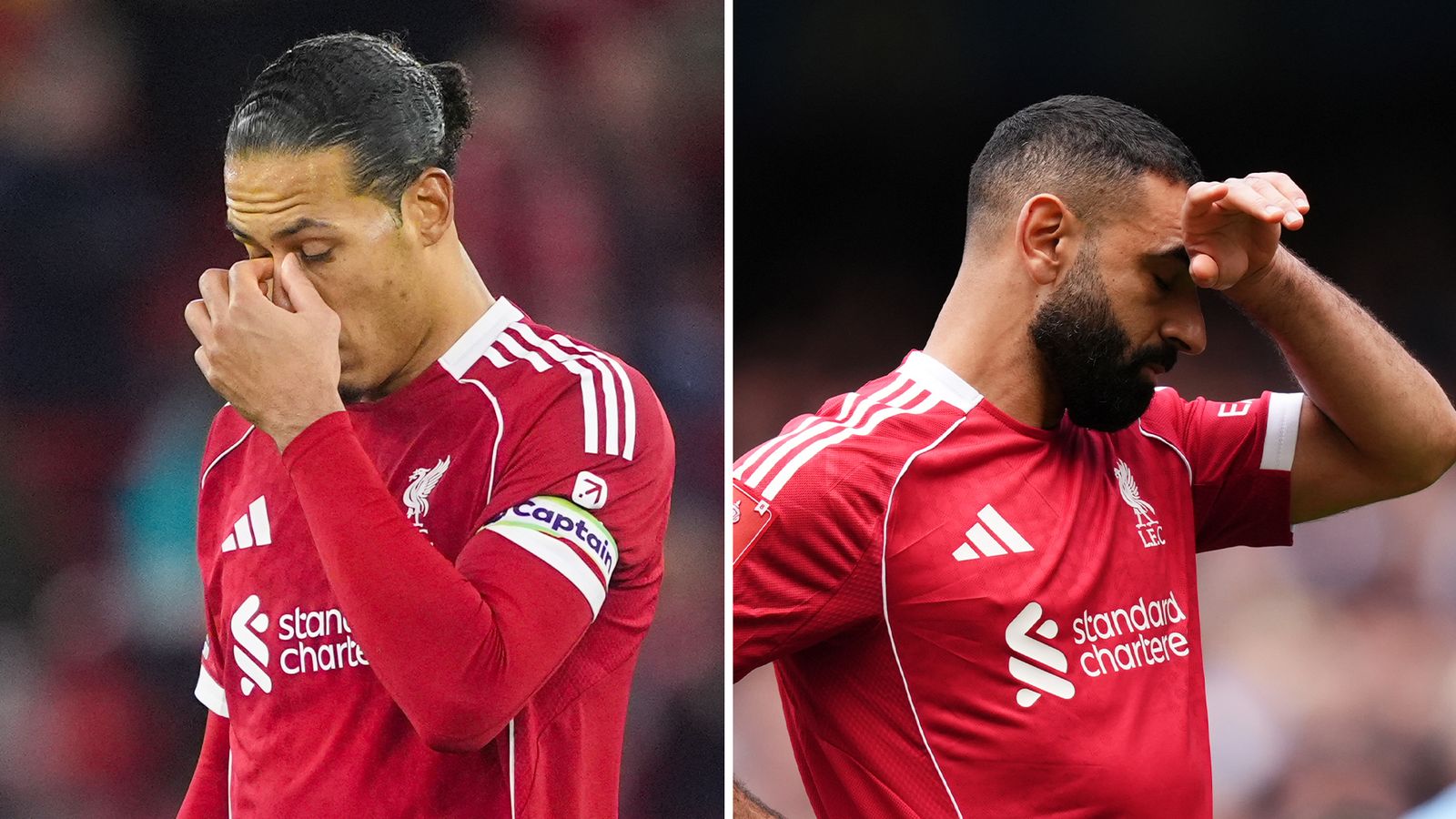
The tactical friction at the Parc des Princes
The Champions League quarter-finals have arrived, and for Liverpool, the timing is as inconvenient as the venue. As they step onto the turf in Paris tonight, April 7, 2026, they are not just playing against a squad assembled for hundreds of millions of Euros. They are playing against their own recent identity crisis.
Arne Slot has spent the better part of this season trying to calibrate a machine that occasionally runs too hot in the press and too cold in front of goal. According to a recent analysis by Sky Sports, there are three primary pillars of concern: erratic pressing, finishing profligacy, and sudden defensive lapses. In a two-legged tie against a side like Paris Saint-Germain, even one of these flaws can be terminal.
The atmosphere in Paris will be hostile, but the real pressure is on the chalkboard. Slot's preference for a more controlled buildup than his predecessor has yielded mixed results in high-stakes European away legs. Tonight requires a level of positional discipline that this Liverpool side has struggled to maintain for a full 90 minutes over the last month of domestic action.
The Mo Salah statistical cliff
We need to talk about the numbers that are making the Liverpool coaching staff lose sleep. Mohamed Salah has been the undisputed king of Anfield for nearly a decade, but the underlying metrics suggest the crown is slipping. Over the last eight weeks, Salah’s non-penalty xG has plummeted to a mere 0.42 per match. This isn't just a dip; it is a statistical cliff.
When Salah isn't finding the back of the net, the burden shifts to Darwin Nunez and Luis Diaz, both of whom have shown a frustrating tendency to prioritize power over precision. PSG’s defensive block is notoriously difficult to penetrate once they settled into a mid-block, often inviting the opposition to cross from deep. If Liverpool fall into the trap of aimless crossing, they will be picked apart on the counter-attack before the first half is out.
The profligacy issue isn't just about missed sitters. It is about the quality of chances created. The pass completion rate in the final third has dropped by 12% in the last three matches. If Slot cannot find a way to reconnect the midfield pivot with the front three, Salah will spend most of the night chasing shadows rather than creating them.
Structural flaws in the transition
Liverpool’s defensive lapses are no longer outliers; they are a feature of their current tactical setup. The high line that Slot insists on requires a perfectly synchronized press from the front. When that press breaks down—usually triggered by a delayed reaction from the wide forwards—the space vacated by the fullbacks becomes a playground for elite wingers.
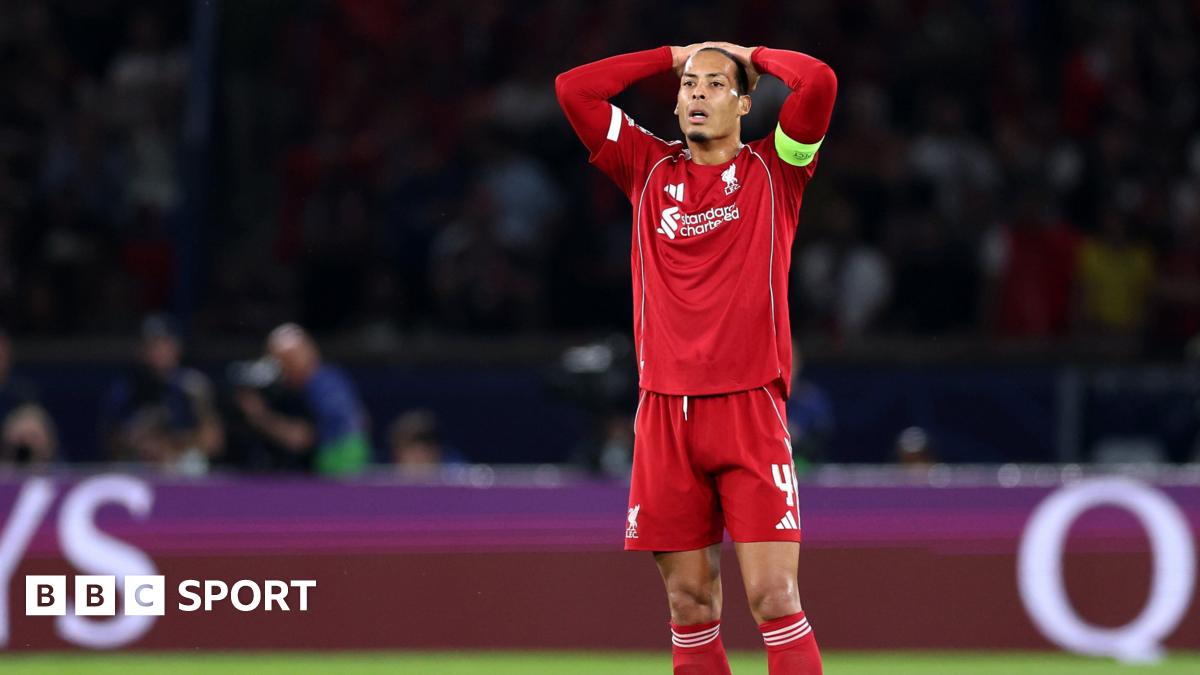
The Sky Sports report highlights that Liverpool have conceded six goals from fast breaks in their last five European outings. This is a staggering statistic for a team with aspirations of reaching the final in May. The transition from attack to defense is where the game will be won or lost tonight. If Virgil van Dijk is forced to defend one-on-one in open space, the system has already failed.
There is a recurring issue with the secondary press as well. Alexis Mac Allister and Ryan Gravenberch have been exceptional on the ball, but their defensive tracking has occasionally been sluggish. Against a PSG midfield that excels at vertical passing, any gap between the lines will be exploited within seconds. Liverpool must avoid the temptation to over-commit during their own attacking transitions.
The midfield engine room battle
The duel in the center of the park will likely define the tempo. Mac Allister needs to be the metronome, but he also needs to be the enforcer. PSG will look to bypass the Liverpool press by using their goalkeeper as an auxiliary playmaker, a tactic that has troubled Slot’s side in the past. If Liverpool’s front three commit too early to the keeper, they leave the center-backs exposed.
Gravenberch’s role is equally pivotal. He has the physical profile to drive through the PSG lines, but his decision-making in the final third must improve. Too often this season, he has chosen the spectacular shot over the simple, high-percentage pass. In Paris, a wasted possession is effectively a scoring opportunity for the opposition.
A critical look at Slot's game management
It is time to be honest about Arne Slot’s substitutions. In three of the last four matches where Liverpool held a lead, Slot’s changes have actively invited pressure rather than alleviating it. The move to a more defensive 4-5-1 in the closing stages has frequently resulted in a loss of ball retention, allowing opponents to camp in the Liverpool half.
This lack of tactical flexibility when defending a lead is a massive red flag. If Liverpool manage to nick an early goal tonight, the instinct to retreat could be their undoing. PSG are a side that thrives on momentum; once you give them the ball and 30 yards of space, they are relentless. Slot needs to show he can manage a game with pragmatism without sacrificing the threat on the break.
The reliance on a fixed starting eleven is also starting to show. Fatigue is creeping into the legs of the core players, and the drop-off in intensity during the second half of matches is noticeable. If Liverpool are gassed by the 70th minute, the final stages of this match will be a siege. The bench must contribute more than just fresh lungs; they need to provide a tactical shift.
What to watch for: The pressing triggers
Keep a close eye on the 15-minute mark. If Liverpool haven't established a consistent pressing trigger by then, they are in trouble. Usually, the trigger is a back-pass to the center-back or a heavy touch from a fullback. If Nunez and Salah are not on the same page, PSG will find the escape lanes easily.
Another key area is the space behind Trent Alexander-Arnold. We know he is a generational talent on the ball, but his defensive positioning remains a point of contention. PSG will target that flank relentlessly. If Ibrahima Konate is constantly dragged out wide to cover, the center of the defense becomes a vacuum. This is exactly where the "defensive lapses" mentioned by Sky Sports manifest most dangerously.
The tactical battle is a game of chess played at 100 miles per hour. Liverpool have the pieces to win, but they are currently playing with a set that feels slightly out of alignment. Precision is the only currency that matters tonight.
The prediction: A night of calculated risk
I expect this to be a nervous, cagey affair for the first hour. Liverpool will likely dominate possession but struggle to turn that into meaningful xG, continuing the trend of profligacy. PSG will be content to wait for the inevitable defensive lapse that comes when Liverpool's fullbacks push too high.
While the sentiment of the traveling fans will be for a repeat of historic European nights, the data points to a more sobering reality. Liverpool's flaws are too systemic to be fixed in a single training session. They will score, because the individual quality of Diaz or Jota is too high to be silenced for 90 minutes, but they will also concede.
The final score will be 2-1 to PSG. It’s a result that keeps the tie alive for the second leg at Anfield on April 14, but it will confirm every fear about Slot's current defensive structure. Liverpool will leave Paris with an away goal and a mountain of tactical homework to do before the return leg. Own the result, accept the flaws, and hope that Anfield can once again bridge the gap between statistical probability and footballing miracles.
Read Next
- Jamie Carragher is right to be worried about Mo Salah's decline
- Arsenal and Liverpool collide with their seasons on a knife-edge
- Arne Slot is completely out of time after Man City exposed Liverpool
- Arsenal face a reality check after consecutive losses
- ⚽ Ligue 1 2025-26 — PSG, Monaco & the Title Race Hub
- ⭐ UCL 2026 — Champions League Quarter-Finals Hub