The Math of a Performance Review
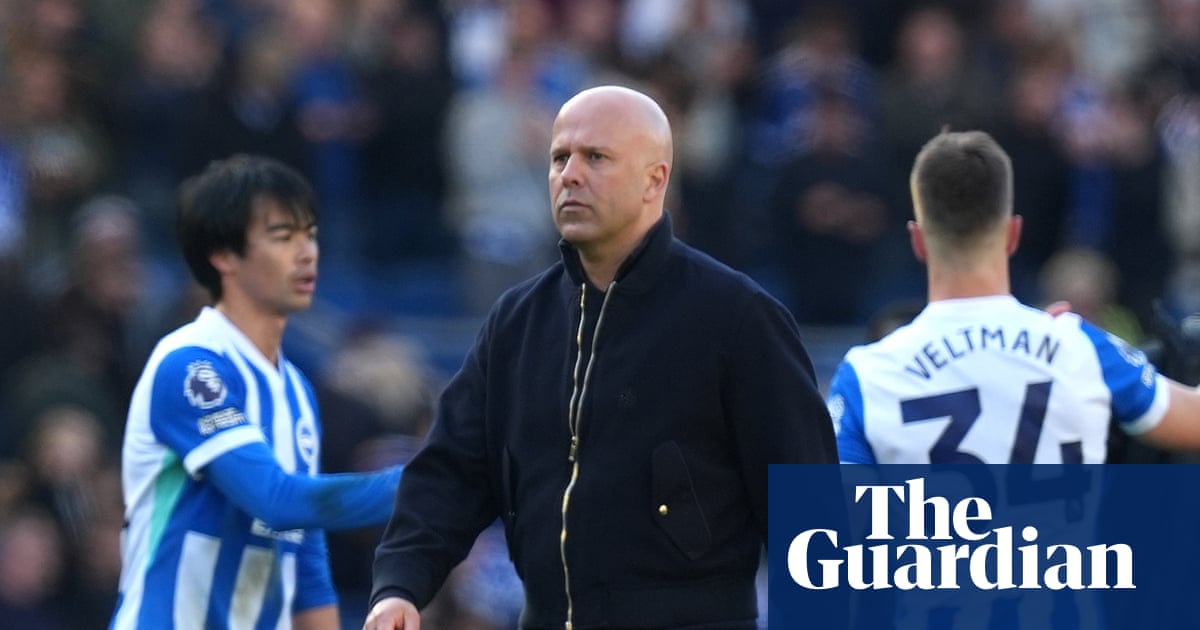
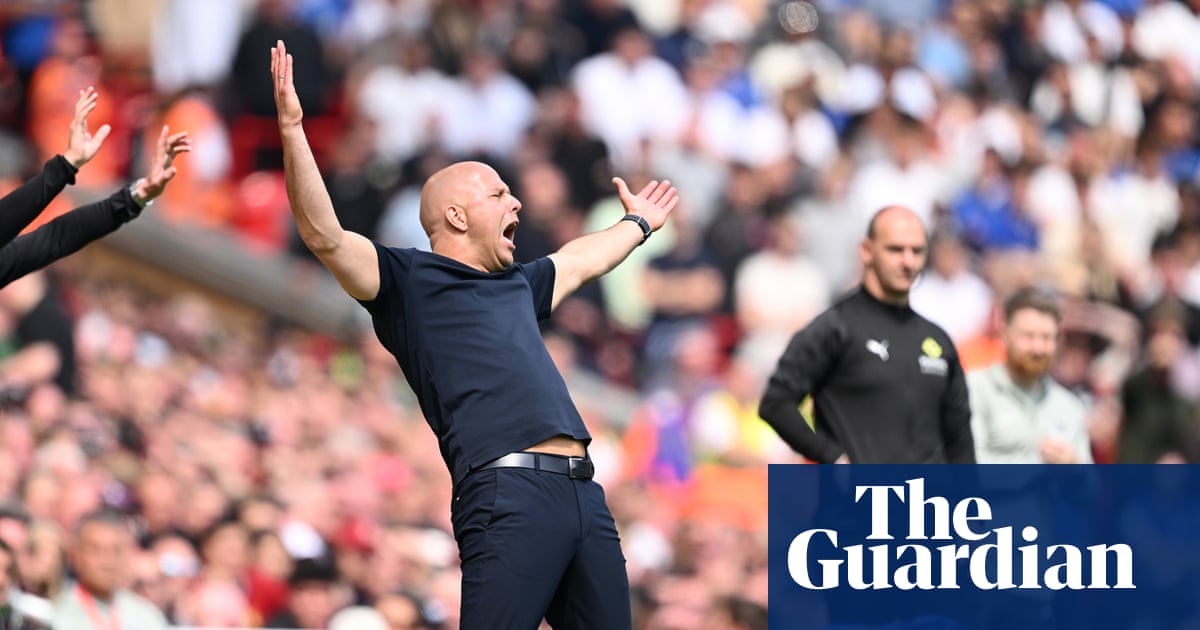
Seven points. In the cold, binary world of Premier League survival, that is the distance between Arne Slot's continued employment and a frantic summer search for a new tactical direction. Liverpool currently sit in fifth place, a position that in the 2025/26 landscape carries the weight of a Champions League invitation thanks to England's UEFA coefficient. With 18 points left to play for, the statistical probability of Liverpool collapsing is low, but the tactical anxiety surrounding Anfield is at an all-time high.
Jamie Carragher recently noted that Slot's future hinges entirely on this qualification. It is a brutal, results-oriented ultimatum that ignores the nuance of a transitional season. However, the numbers suggest that while Liverpool are functionally safe, they are aesthetically regressing. They have averaged 1.68 points per game since February, a significant drop from the 2.15 they maintained during the autumn months. Chelsea, trailing by seven, have seen a late-season surge in xG output, creating 2.4 big chances per 90 compared to Liverpool’s 1.8 over the last five fixtures.
Slot is managing a team that looks tired of his control-oriented philosophy. Where Jurgen Klopp demanded chaos, Slot demands a structured, almost rhythmic possession. Liverpool are currently averaging 582 passes per match, the highest in the club's modern history, yet their goal conversion rate has dipped to 11.2%. They are keeping the ball, but they have forgotten what to do with it once they reach the final third. The upcoming run-in is not just about points; it is a test of whether this squad still believes in the Dutchman's blueprint.
The Control Metric vs The Chaos Factor
To understand why Carragher is hearing whispers about Slot's stability, we have to look at the defensive transitions. Under Klopp, Liverpool’s PPDA (Passes Per Defensive Action) rarely rose above 9.0, indicating a ferocious press. Under Slot, that number has ballooned to 12.4. This is a deliberate tactical shift intended to reduce the number of high-speed sprints required by the midfield, theoretically keeping the squad fresher for the Champions League. But the data shows it has backfired in the most visible way possible: defensive exposure.
Liverpool have conceded 14 goals from fast breaks this season, already surpassing their total from the entire 2023/24 campaign. By allowing opposition midfields more time on the ball, Slot has exposed a backline that was coached to play on the front foot. Virgil van Dijk is being asked to retreat rather than engage, a shift that has seen his successful tackle rate drop from 74% to 61%. This is the fundamental friction in the Slot era. He is trying to turn a Ferrari into a Volvo, and the gearbox is grinding in front of a global audience.
The Efficiency Deficit
The most damning statistic of the Slot tenure is the 'Expected Points' versus 'Actual Points' gap. According to Understat data, Liverpool should be three points higher than they currently are. This indicates a finishing problem that transcends mere bad luck. Darwin Nunez has missed 22 big chances this season, leading the league in a category no striker wants to own. In a system that produces fewer high-quality opportunities than the previous regime, these misses are catastrophic.
When you create five big chances a game, missing three is a footnote. When you only create two, missing one is a crisis. Slot’s system relies on clinical efficiency, yet he is working with a forward line built for volume. This mismatch is why the seven-point lead over Chelsea feels so fragile. If Liverpool fail to score in the first 30 minutes, their win probability drops from 68% to a staggering 34%. They lack a 'Plan B' that doesn't involve simply passing the ball more slowly.
The Coefficient Safety Net
We must address the elephant in the room: why 5th place is the new 4th. The expanded Champions League format means the Premier League is almost certain to receive an extra spot based on the performance of English clubs in Europe this year. This is the only reason Slot is still in the dugout. In any other era, being seven points clear of fifth would be a comfortable cushion for a manager. In 2026, it is the bare minimum required to avoid the sack.
Arne Slot will remain as Liverpool manager next season if the club secures Champions League qualification.
Carragher's assessment, reported by The Mirror, confirms that the board’s patience is tied to the balance sheet. Champions League football is worth an estimated £85 million in baseline revenue, a figure that Liverpool’s debt-to-equity ratio cannot afford to lose. If Slot misses out, the financial ripple effect would likely force the sale of at least one marquee player to balance the books before the 2027 fiscal year. The stakes are not just sporting; they are existential.
The Critical Flaw: Final Quarter Fatigue
If there is a smoking gun in the statistical analysis of Slot’s first full season, it is the final 15 minutes of matches. Liverpool have a goal difference of -4 in the 75th to 90th-minute bracket. This is a staggering reversal from the 'Kloppage Time' era where the Reds were the most dangerous team in the closing stages. Slot’s insistence on a high defensive line without the accompanying high press means that when legs tire, the space between the midfield and the defense becomes a playground for opposition playmakers.
Against top-six opposition this season, Liverpool have conceded a goal in the final ten minutes in 60% of their fixtures. This suggests a failure in game management or a lack of fitness—both of which fall squarely on the manager’s shoulders. Slot has frequently used only three of his five available substitutes before the 80th minute, a puzzling conservative streak that has cost the team at least 8 points from winning positions. It is this lack of tactical agility that makes the Liverpool hierarchy nervous.
Ultimately, the seven-point gap should be enough. Chelsea's remaining fixtures include trips to the Etihad and the Emirates, while Liverpool's path is considerably smoother. But the underlying data warns of a team that is limping toward the finish line rather than sprinting across it. Slot may keep his job by the skin of his teeth and the grace of a UEFA coefficient, but the tactical disconnect remains. If he doesn't find a way to reconcile his desire for control with the squad's innate need for speed, next season's performance review will be much shorter and far more painful.