The manager's classic deflection tactic
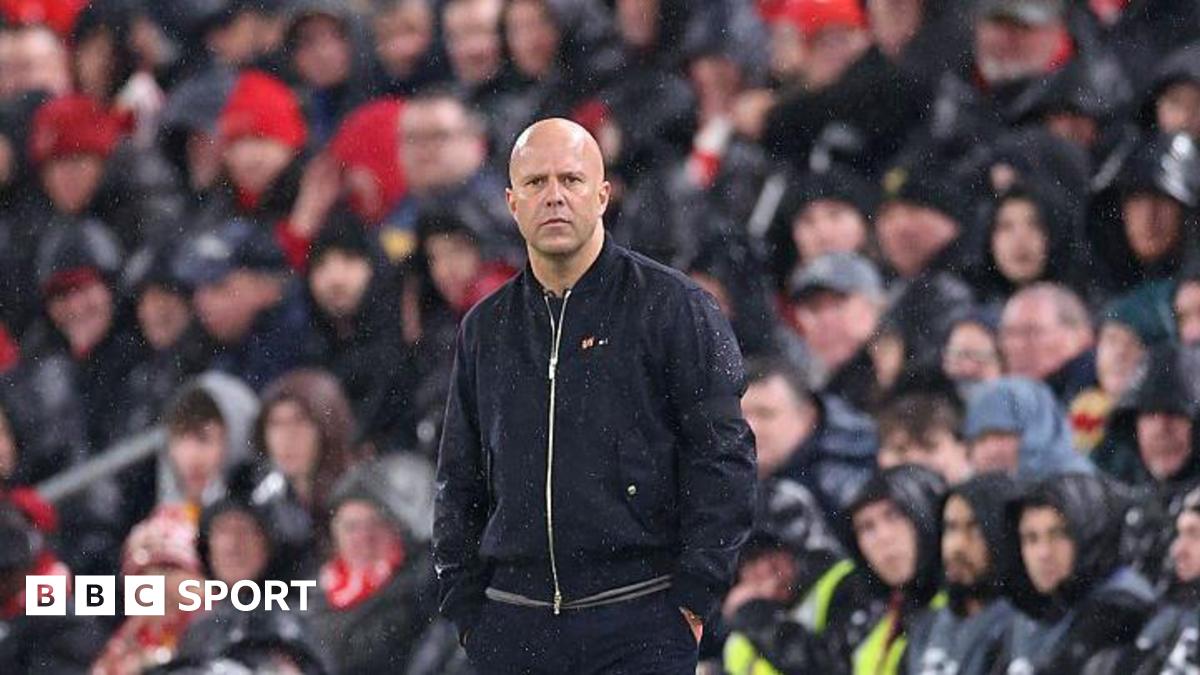
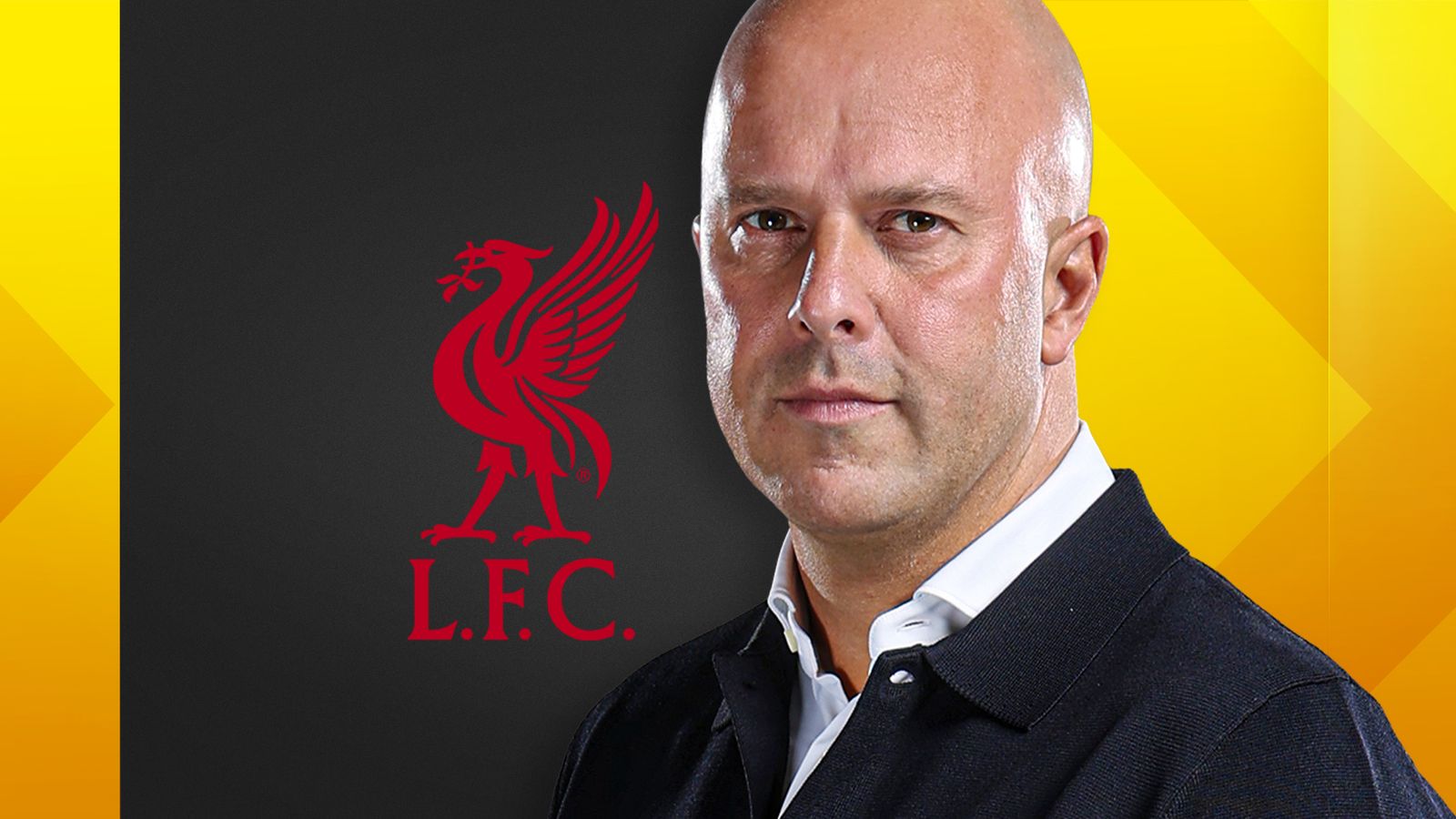
Arne Slot sat in his press conference this morning and delivered the classic manager line while speaking to the media. It is the sort of thing you say in mid-April when the pressure of the run-in starts to suffocate your squad.
"Future looks bright."
We are in the final stretch of the 2025/2026 season. The Champions League semi-finals are less than two weeks away. For Liverpool, the transition away from Jurgen Klopp’s heavy metal football was supposed to take time. Slot accelerated that timeline. But looking bright in the future doesn't win you trophies in May.
Let us talk about control. That was the buzzword when Slot arrived from Feyenoord. He wanted to turn games into suffocating exercises in possession. For the most part, it worked. You watch Liverpool now and the spacing is meticulous.
The center-backs split wide. The double pivot drops to offer angles. They bait the press. It looks brilliant against lower-tier opposition who sit back and respect the shape.
The transition defense is fundamentally broken
But there is a glaring issue that nobody at Anfield wants to talk about. The transition defense is a disaster.
When Liverpool lose the ball in the middle third, they look entirely disjointed. Under Klopp, the counter-press was a weapon. It was an offensive tool used to win the ball high. Under Slot, the rest-defense structure often leaves massive gaps between the midfield and the backline.
It is a structural flaw. You cannot play a high line with inverted fullbacks if your midfield pivot lacks the athletic recovery speed to cover the half-spaces. Take a look at how they defend cut-backs. It is a mess.
The center-backs drop too deep. The midfielders arrive late. The edge of the box is completely exposed.
Slot is a brilliant tactician. His work in the Eredivisie proved he can build a cohesive attacking unit. But the Premier League punishes structural rigidity. You saw it in patches earlier this season.
Teams don't bother trying to play through Liverpool anymore. They just sit in a mid-block, wait for the inevitable misplaced pass in the build-up, and strike in transition.
The numbers expose the soft underbelly
The underlying metrics suggest they are dominating field tilt. They generate high-quality chances. But you do not survive the Champions League semi-finals with a soft underbelly.
European knockout football is about minimizing mistakes. It is about suffering without conceding. This current iteration of Liverpool does not know how to suffer.
When they lose control, they panic. The shape breaks down. The tactical discipline evaporates. I expect them to get carved open on the counter in their upcoming crunch fixtures.
A team with elite wingers will isolate their fullbacks, bypass the midfield entirely, and expose the lack of recovery pace. Slot needs another transfer window. He needs a destroyer in the middle of the park who can sweep up the danger when the initial press fails.
Let's break down the build-up phase. When the goalkeeper has the ball, Liverpool immediately shift into a 2-4-4 shape. The fullbacks push up and invert, operating almost as dual number eights. This creates a box in midfield.
In theory, this box provides numerical superiority against almost any pressing structure. You have four players in the center of the pitch. You should always have a free man.
But football is not played on a chalkboard. It is played on grass. The speed of decision-making required to execute this box midfield under pressure is immense. When it works, it looks beautiful.
When it fails, it is catastrophic. A single misplaced pass from the pivot player suddenly means four players are caught ahead of the ball. The center-backs are left completely exposed.
Running out of time before the semi-finals
This brings me to the midfield composition. You cannot ask technically gifted but athletically limited players to cover massive tracts of open space on a counter-attack.
The reliance on tactical fouling has increased as a band-aid solution. But you can only pull shirts and trip wingers for so long before the referees catch on. The yellow cards accumulate. The suspensions loom right when you need your starting eleven intact.
Let's talk about the wide areas. The wingers are asked to hold the width, stretching the opposition backline. This isolates them for one-on-one duels.
It is highly effective against low blocks. But against elite teams, those wingers are routinely double-teamed. The opposing fullbacks get help from their midfielders. When the wide overloads fail, Liverpool often look devoid of a Plan B.
The central areas become congested. The tempo slows down. The possession becomes sterile. This is where you miss the chaotic brilliance of the previous regime. The ability to force the issue, to create something out of nothing through sheer force of will.
Slot is a system manager. He relies on patterns of play. If the pattern is disrupted, the team looks lost. You can see it in his body language on the touchline. He is constantly adjusting, micro-managing the shape. But once the whistle blows, the players have to figure it out themselves.
Consider the calendar. The first leg of the Champions League semi-final sits right there on April 28. The return leg follows on May 5. That is an unforgiving window.
In those two weeks, you don't have time to fix structural issues on the training ground. You are purely in recovery and preparation mode. You play, you recover, you review the tape, you play again.
If your rest-defense is broken on April 17, it will still be broken on April 28. You cannot magically teach a midfield pivot how to screen a backline in eleven days.
This is exactly why Slot is already talking about the future. Managers know when their system has hit a ceiling for the current campaign. They can see the warning signs in the data before the fans see it on the pitch.
Look at how they deal with opposition goal kicks. Liverpool still try to press high, committing five or six men forward to choke off the short passing options.
But elite European teams have evolved. They now use their goalkeepers as deep playmakers. They will gladly loft a long pass over the initial press, completely bypassing the Liverpool midfield.
Once that first line is broken, it is a foot race. And right now, Liverpool are losing those races. The center-backs are constantly forced into desperate covering tackles. It is a high-wire act that is bound to fail.
You can get away with it against mid-table domestic opposition. A striker hesitates. A winger misplaces the final ball. You survive.
But in a semi-final? Against the best forwards in the world? They will punish you every single time. They don't need three chances to score. They only need one.
The final prediction
I have watched the tape from their last three away fixtures. The spaces between the lines are alarming. When the opposing team secures the ball in the middle third, the Liverpool midfielders are consistently caught ball-watching.
It is not a lack of effort. It is a lack of recognition. They are so focused on their offensive positioning that they fail to anticipate the negative transition.
This is the steep learning curve of Slot-ball. You have to reprogram players who were used to a completely different style of defending. You are asking them to think instead of react.
Thinking takes time. And time is the one commodity you do not have when an elite winger is driving at your exposed backline.
My prediction is absolute. Liverpool will be exposed in Europe. The high line will crack under elite pressure.
The project is fine. The manager is smart. The future, as he says, looks bright. But the 2025/2026 season ends in disappointment. The tactical gaps are just too wide to bridge right now. The tactics need a serious overhaul if they want to hold silverware in May.
Read Next
- Vincent Kompany is making everyone who doubted his Bayern move look stupid
- Arsenal are the last hope of a failing English contingent in Europe
- Erling Haaland is right about Bernardo Silva being the brains of Man City
- Why Sunday's City vs Arsenal clash will decide the title
- ⭐ UCL 2026 — Champions League Quarter-Finals Hub