The ghost of heavy metal football
Anfield will be packed this Saturday afternoon, but not for the current first team. Liverpool Legends face Borussia Dortmund in a charity exhibition. You can find the broadcast and live stream details over at the Mirror, though the tactical implications of older men jogging around the pitch are obviously nil.
Yet, the timing is deeply ironic. This exhibition match serves as a painful reminder of what Anfield used to be. The Dortmund and Liverpool connection is built on a shared history of intense, chaotic, emotionally charged football. The heavy metal era.
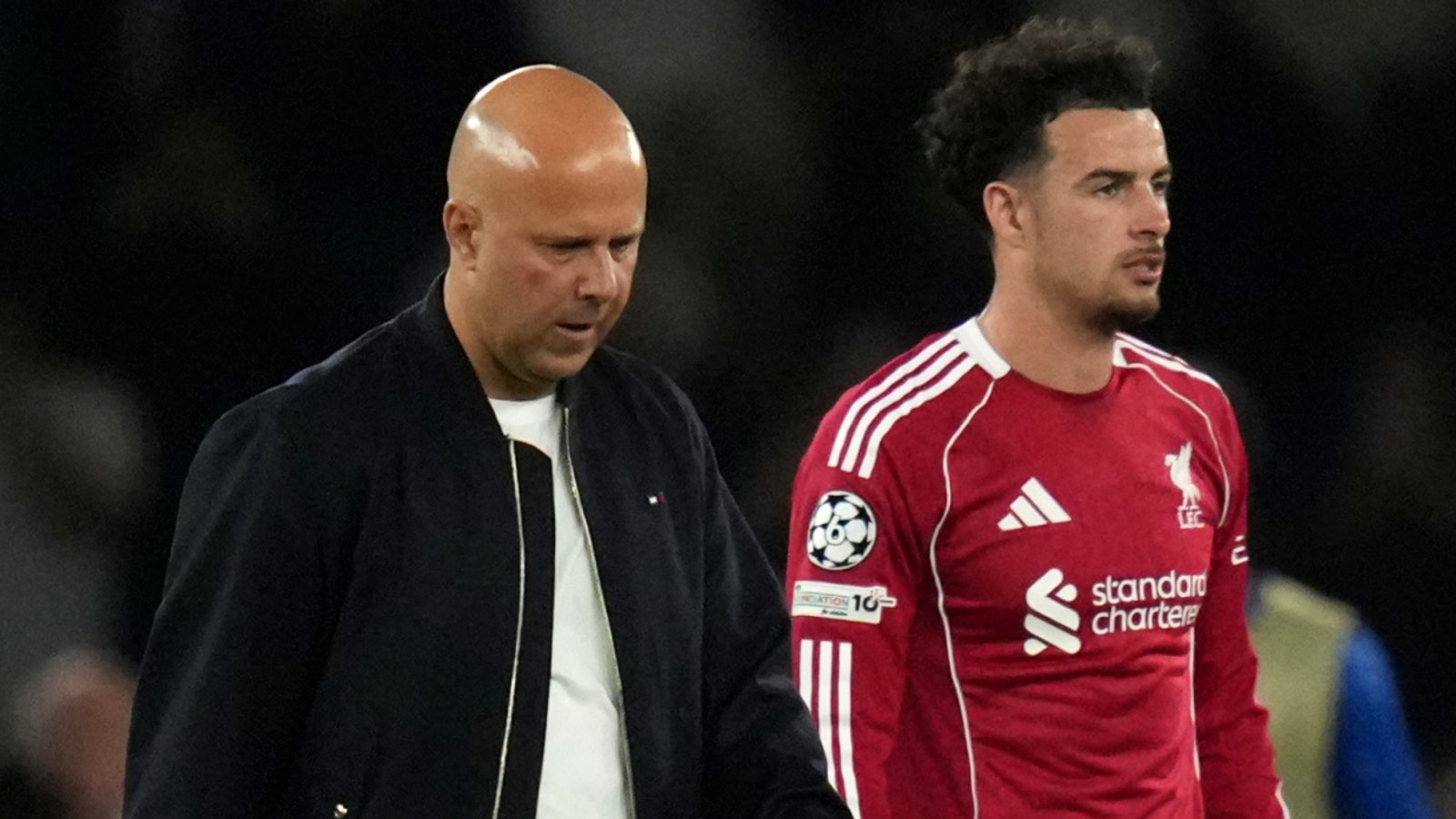
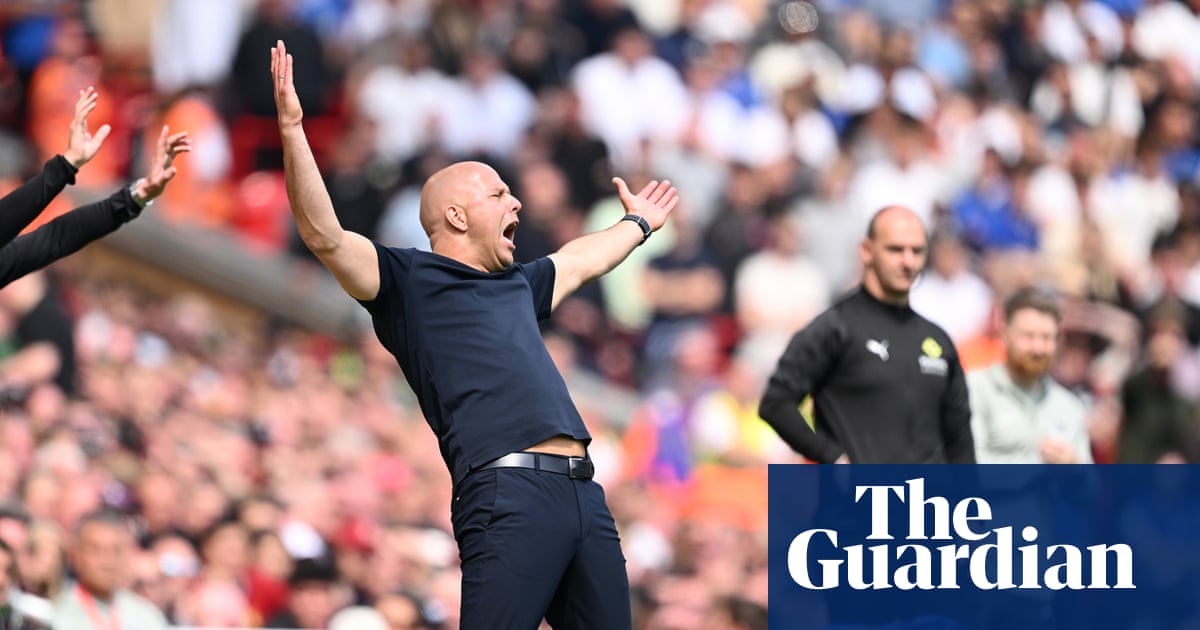
Arne Slot's Liverpool is the exact opposite. They are a smooth jazz band playing in a venue that demands a riot. And the fans are getting restless.
Look at the names on that teamsheet for the legends game. Players who understood the emotional weight of Anfield. They did not play sterile, calculated passes across the back four. They forced the issue. They took risks.
The current squad looks paralyzed by instruction. Every pass feels heavily deliberated, weighed against a risk-assessment matrix that Slot has drilled into them. Football at this level is instinctive. When you force elite athletes to overthink their positioning on every single phase of play, you destroy their natural rhythm.
The transition away from the previous regime was always going to be turbulent. Everyone accepted that. But the current malaise goes far beyond standard tactical adjustments. The fundamental mechanics of this team are broken.
The pressing triggers are completely disjointed. When the central striker initiates the press, the midfield line is routinely two seconds late to back it up. It creates massive pockets of space in the transition. Opposing teams do not even need to build up intelligently against Liverpool anymore. They just bypass the first line of pressure and immediately find themselves running at an exposed back four.
The Szoboszlai dilemma and external noise
When the on-pitch product falters, the external noise amplifies. The vultures are circling. Gary Neville has openly cranked up the pressure on Slot this week. Neville has never been shy about critiquing Liverpool, but his recent focus on their defensive shape is incredibly accurate.
But Neville is just a pundit. The real concern is the noise coming from within the game itself. An international coach recently aimed a brutal dig at Slot over his handling of the squad, specifically concerning Dominik Szoboszlai, as reported in a damning piece by TeamTalk.
The criticism is entirely justified. Slot is fundamentally misunderstanding how to use Szoboszlai.
For his national team, the Hungarian operates with absolute freedom. He is a dynamic ball-carrier who thrives in vertical transitions. He takes the ball from deep and drives at terrified defensive blocks. Under Slot, he is being asked to operate in a suffocating, static half-space role. He is instructed to receive the ball with his back to goal, retain possession, and play safe horizontal passes.
The Hungarian's body language is telling. Watch him when Liverpool lose the ball in the middle third. Last year, he was the first man sprinting to win it back, leading the counter-press with aggression. Now, he hesitates. He looks over his shoulder to check his zonal positioning before reacting to the loose ball.
That half-second delay is fatal in the Premier League. The international coach who called this out knows exactly what he is seeing. A brilliant, intuitive footballer is being micromanaged into mediocrity.
The terrifying reality of life after Salah
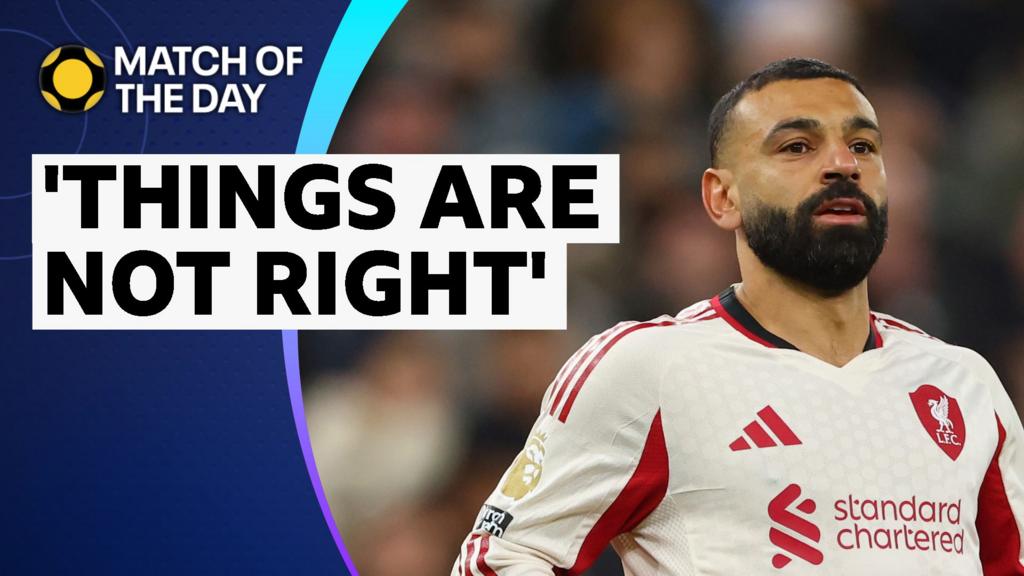
Then there is the gaping hole on the horizon. The Mohamed Salah succession plan is no longer a theoretical exercise for the recruitment team. It is an active, desperate scramble.
Replacing his goal output is statistically impossible. But replacing his gravity on the pitch is the real tactical nightmare. Salah dictates opposition defensive lines just by existing on the right touchline. Left-backs refuse to overlap when he is on the pitch. His presence creates the space that allows Trent Alexander-Arnold to invert into midfield.
Reports indicate Liverpool are actively targeting a mega-money replacement, with Yan Diomande heavily linked. That massive price tag—£87m—tells you exactly what the market demands for a premium left-footed right winger today.
But plugging an expensive new asset into a dysfunctional system solves nothing. We need to talk about the physical reality of Yan Diomande. If Liverpool pull the trigger on this massive fee, they are buying a player who demands the ball to feet.
Salah, for all his creative evolution, is fundamentally a penetrative runner. He attacks the space behind the full-back. Diomande prefers to drop into the pocket, receive the ball, and isolate his defender one-on-one.
If your new right winger drops deep to receive, your overlapping full-back immediately runs out of runway. Trent Alexander-Arnold will find his passing lanes completely congested. You cannot simply swap one left-footed player for another and expect the tactical machine to keep functioning.
Chaos in the corridors of power
A serious football club operates in silence. They identify targets, they execute deals, and they present the finished product. Liverpool right now are operating through a megaphone.
We are seeing bizarre, confusing reports regarding summer targets. There is talk of a 'two-way Luis Suarez battle' shaping the transfer window, a strange phrase highlighted by the Mirror this week. Whether this relates to a specific player profile, an advisory dispute, or just agent-driven market noise, it points to a distinct lack of clarity at the top level.
Worse still, the recruitment strategy appears entirely scattergun. Club legends are actively using their media platforms to warn the hierarchy off pursuing an unnamed England international. Why are club legends taking the unprecedented step of publicly advising against a signing?
It suggests a total breakdown in trust between the recruitment department and the people who understand the cultural fabric of the club. We are only 74 days away from the start of the FIFA World Cup 2026. Domestic transfer business needs to be completely wrapped up or tightly guarded before players report for international duty. Instead, Liverpool are airing their laundry in public. It is amateurish.
The ownership group needs to make a definitive decision. They are currently allowing a manager who looks completely out of his depth to oversee the most massive squad transition of the last decade. Giving Slot the keys to a rebuild when he cannot even figure out how to arrange a functional three-man midfield is gross negligence.
The final verdict
Time is a luxury Slot does not have. We are rapidly approaching the defining stretch of the 2026 campaign. The Champions League quarter-finals kick off on April 7th. The domestic schedule offers no respite. The margin for error has completely vanished.
Slot needs to simplify his approach immediately. His complex possession structures are actively hurting his squad. He needs to drop his defensive line back by five yards. He needs to compress the space in central areas and allow his wide players to attack the box directly in transition.
The stubborn obsession with controlling the second phase of buildup is blinding him to the stark reality that his team cannot defend counter-attacks. Will he adapt? No. Managers rarely abandon their core philosophies, even when they are staring down the barrel of a gun.
My prediction is grim for the Dutch manager. He is too wedded to a tactical blueprint that simply does not fit the physical and technical profiles of the squad he inherited. Unless he pragmatically completely rips up his tactical manual before the end of April, he will not survive. Liverpool will be looking for a new manager by June. The warning signs are flashing red, and the ghost of heavy metal football is drowning out his smooth jazz.