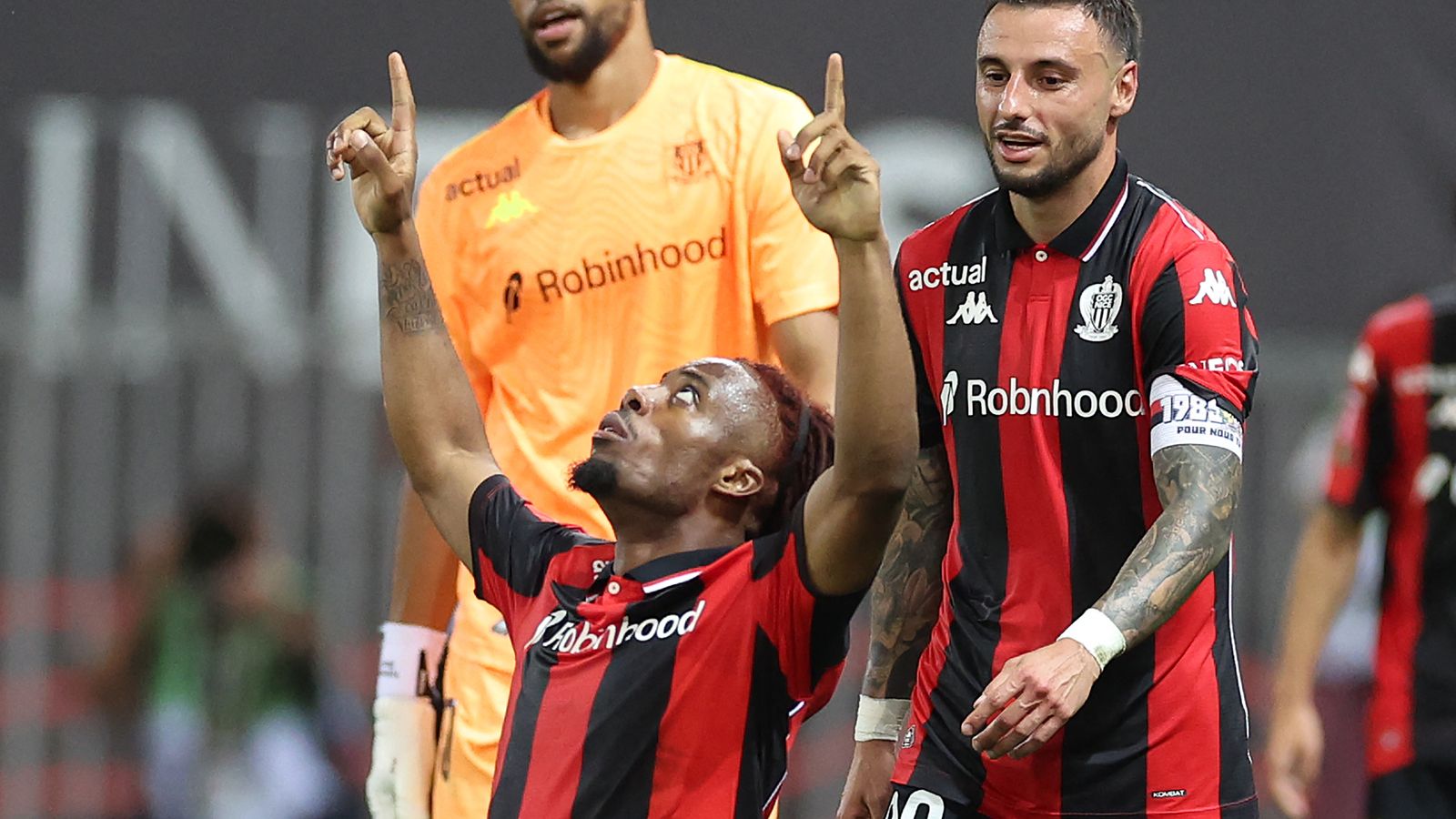
The narrow escape from the drop
OGC Nice avoided the catastrophic consequences of relegation by dismantling St Etienne in the play-off final. The 3-0 result flattened the opposition, silencing a raucous Geoffroy-Guichard crowd that had spent the entire week expecting a miracle. While the scoreline reflects a comfortable victory, the preceding months leading to this mid-May survival were characterized by systemic failures.
As Sky Sports noted during their live coverage, this victory was not the result of a cohesive identity, but rather a sudden spike in individual finishing. Nice looked vulnerable in possession throughout the first half, completing only 72% of their attempted passes in the middle third.
The Ineos structural mandate
In the lead-up to this play-off week, the ownership group faced intense scrutiny regarding their recruitment strategy. The team relies too heavily on wide transitions despite lacking the defensive coverage required to prevent high-xG counters. When opponents cut off the half-spaces, the midfield often stagnates, leaving the forward line isolated with minimal connection to the defensive bank.
The current squad composition remains fundamentally disjointed. They lack a progressive vertical passer capable of breaking the first line of pressure. This forces the central defenders to carry the ball into congested areas, turning possession into a liability. Watching their defensive shape in transition reveals serious gaps in the 4-2-3-1, particularly when the fullbacks push forward simultaneously.
Where the project goes wrong
The reliance on the play-off was a failure of management rather than a result of bad luck. Injuries aside, the team consistently struggled to hold leads in the final 10 minutes of matches, dropping 14 points from winning positions throughout the league campaign. Tactically, the defensive line drops too deep once the clock ticks past the 80th minute, inviting pressure that eventually breaks their resolve.
The lack of a consistent high press is the most damning indictment of their tactical planning. Without a coordinated trigger—relying instead on individual efforts from the wingers—deeper opponents simply circulate the ball around the Nice forward line at will. This creates spaces in the pivot position that are too wide to cover with only two central midfielders.
Predicting the summer reset
Moving forward, the club faces a massive summer of personnel shifts. To survive in Ligue 1 next season, they require at least two starting-caliber midfielders who possess the technical security to maintain ball retention under pressure. If the current hierarchy insists on the same defensive transition structure, the result will be a recurring battle against the relegation zone.
My prediction for the coming months is a period of internal volatility. Until the club balances the front-loaded recruitment with actual defensive stability, they are playing a dangerous game. They avoided the trap this time, but the underlying metrics suggest they are walking into the same wall yet again.
Read Next
- PSG are finally playing like a team and it is terrifying
- World Sevens brings high-octane chaos before the World Cup fever hits
- Michael Skubala ditching Lincoln for Bristol City is a massive gamble
- Arsenal's 104 million gamble on Julian Alvarez is pure chaos
- ⚽ Ligue 1 2025-26 — PSG, Monaco & the Title Race Hub