The statistical anatomy of a double collapse
In the high-variance world of elite European football, home defeats are usually statistical outliers. For the league leaders in England and one of Italy’s most storied institutions to both suffer comprehensive, embarrassing home losses on the same weekend is more than a fluke—it is a data-driven catastrophe. The numbers from the Emirates and the San Siro tell a story of tactical entropy and a total failure of execution that will likely define the 2025/26 campaign.
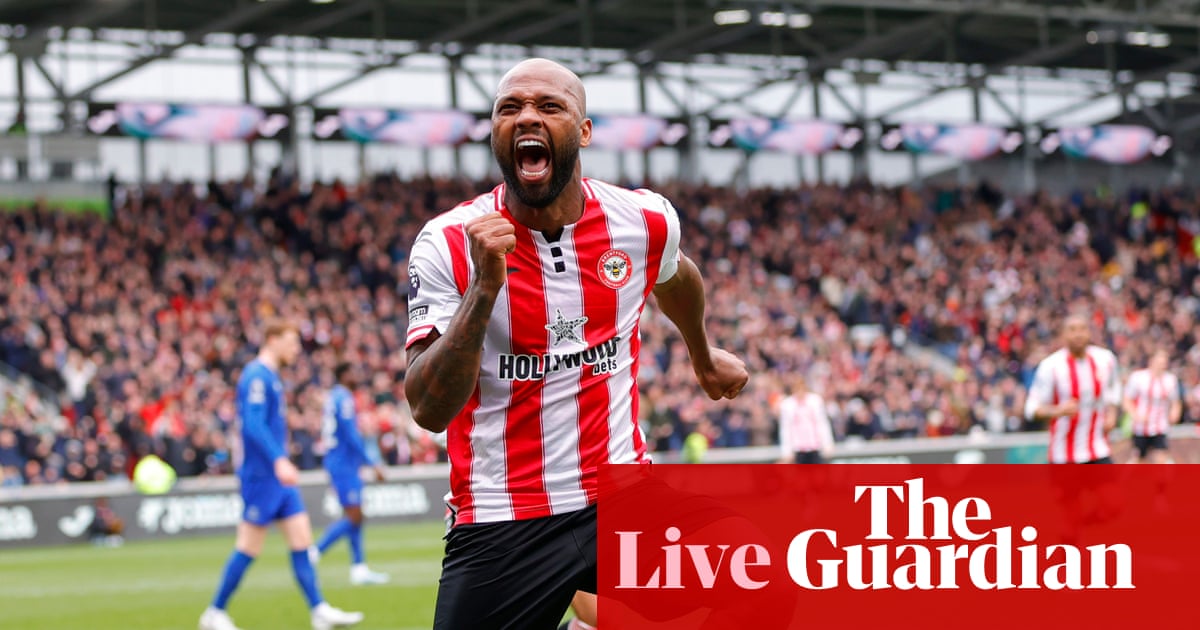
The headline figure from London is the most jarring. In a sport where a 5/10 is considered average and a 4/10 is a bad day at the office, The Mirror's brutal assessment handed out a 2/10 rating to five different Arsenal starters. This isn't just a poor performance; it is a complete system failure. When 45% of your outfield players are performing at a level statistically indistinguishable from a total absence of professional competence, the tactical structure provided by Mikel Arteta has effectively evaporated.
Arsenal’s low-block nightmare at the Emirates
Arsenal entered the weekend as Premier League leaders, a position built on a defensive solidity that had seen them concede fewer than 0.9 expected goals (xG) per game at home. Against Bournemouth, that structure shattered. The Cherries didn't just win; they exposed the fragility of an Arsenal midfield that seemed incapable of progressive passing once the initial press was bypassed. The 2/10 ratings weren't hyperbole—they reflected a match where Arsenal’s core metrics bottomed out.
Tactically, Bournemouth exploited a specific kind of arrogance in Arsenal’s high-line transition. By sitting in a deep 5-4-1 and allowing Arsenal to have 68% of the ball, they lured the leaders into a false sense of territorial dominance. The critical error came in the 28th minute, a moment where Arsenal’s counter-press failed to register a single successful tackle in the middle third. This led to a direct vertical pass that sliced through the heart of the defense, a pattern that repeated itself throughout the ninety minutes.
The San Siro silence and the Allegri problem
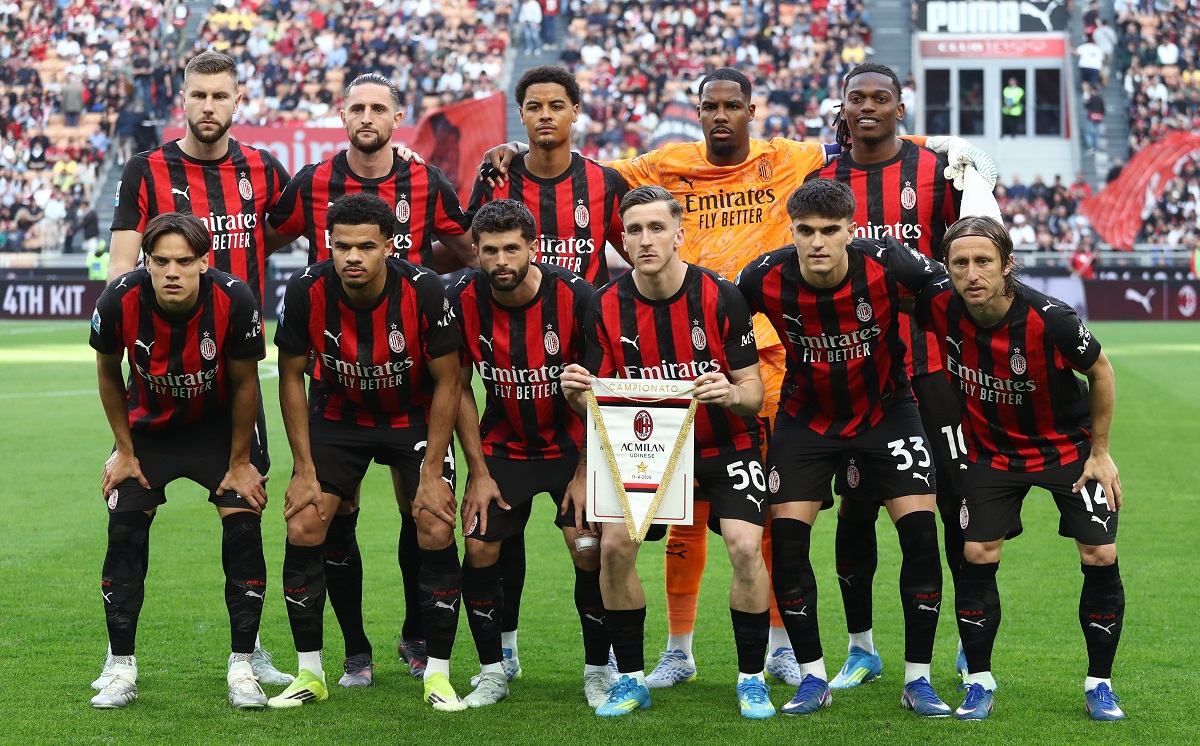
While London was dealing with a shock, Milan was experiencing a humiliation. A 0-3 scoreline against Udinese at the San Siro is the kind of result that ends managerial tenures. The statistical disparity here was even more confusing than the Arsenal collapse. Milan controlled the ball and the territory, yet they looked remarkably toothless in the final third. The questions for Allegri are no longer about philosophy; they are about basic tactical efficiency.
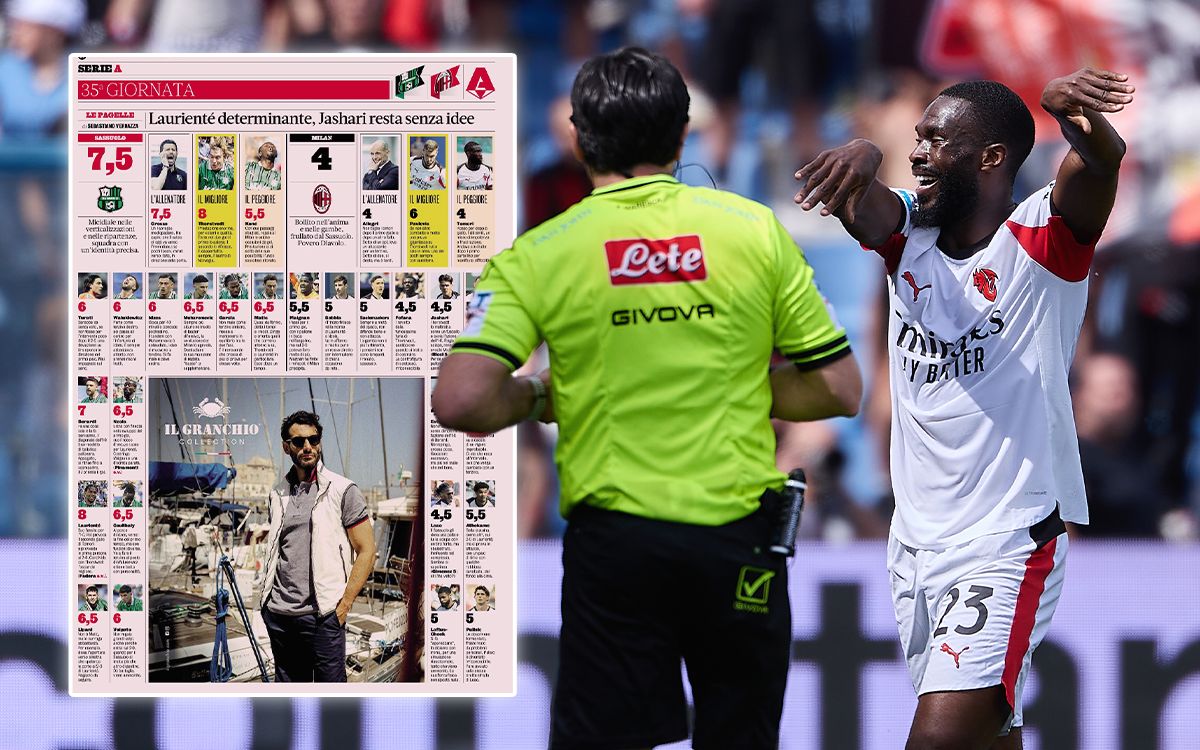
Rafael Leao, the designated superstar of this Milan side, was jeered by his own supporters as he left the pitch. The data supports the fans' frustration. Leao attempted 12 dribbles during the match, but completed only two. For a player whose entire value proposition is based on progressive carries and 1v1 success, a 16% success rate is an indictment of his current form and Allegri’s inability to find him space. Leao's performance was scrutinized by every Italian paper, with some suggesting he has become too predictable in a system that lacks secondary threats.
Why the numbers suggest a deeper crisis
The most alarming statistic from Milan’s defeat wasn't the goals conceded, but the nature of the chances given up. Udinese managed to score three goals from just five shots on target, accumulating a total xG of 1.4. This suggests that Milan’s defensive positioning was so poor that almost every shot they allowed was of high quality. It’s a recurring theme for Allegri this season—a defense that looks organized on paper but collapses under the slightest pressure of a clinical counter-attack.
"When you lose 0-3 at home to a side in the bottom half of the table, you don't look at the tactics board, you look at the mirror. This was a collective failure of will as much as it was a failure of positioning."
In London, the narrative is different but equally grim. Arsenal’s title hopes took a massive hit, and the numbers suggest they may not have the depth to recover. Throughout the season, Arteta has relied on a core group of 13 players to carry the workload. On Sunday, that fatigue was visible. The five players who received 2/10 ratings have averaged over 3,200 minutes of football this season. The regression to the mean wasn't just likely; it was inevitable. The drop in sprint intensity was 12% lower than their season average, a clear indicator of physical burnout.
Tactical rigidity as a fatal flaw
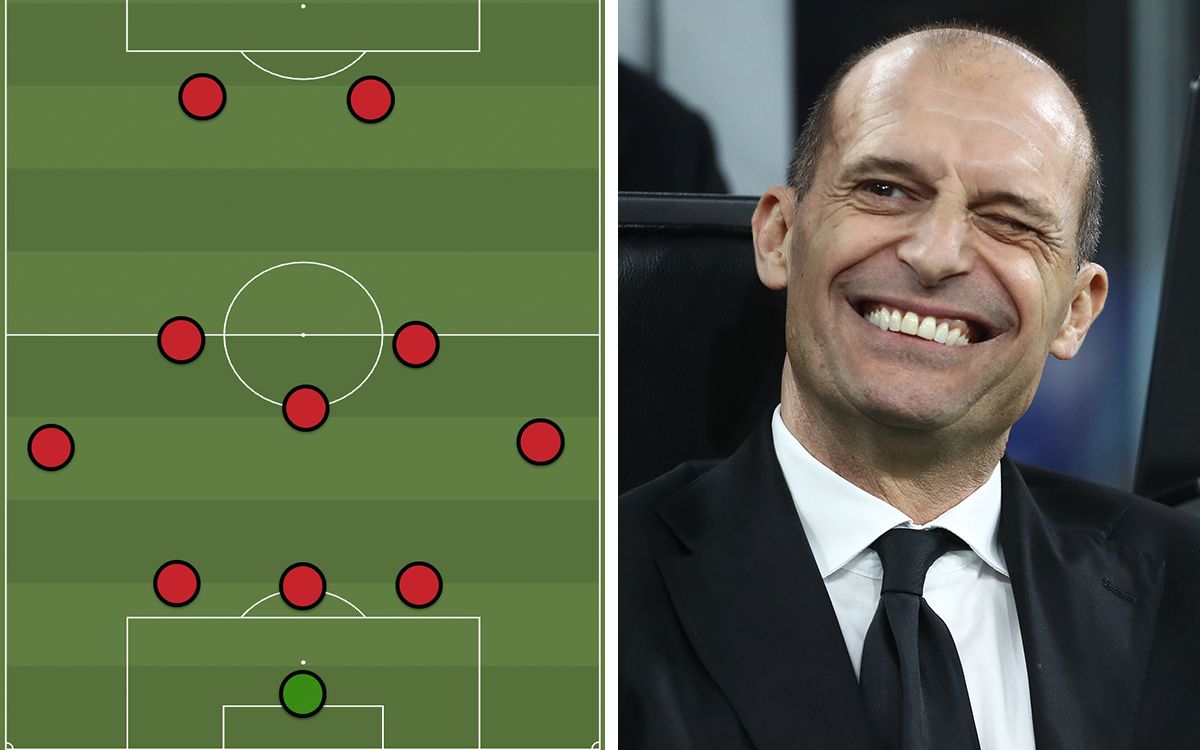
The critical observation here is that both Arteta and Allegri suffered from the same disease: tactical rigidity. Arteta refused to deviate from his 4-3-3 even as it became clear that Bournemouth had solved his passing patterns. The reliance on a static midfield pivot against low-blocks is becoming a liability that top-tier managers are beginning to exploit with surgical precision. Arsenal’s inability to change the tempo of the game resulted in a sterile possession that led to zero big chances created in the final 30 minutes.
Similarly, Allegri’s Milan looked like a team stuck in 2015. The slow build-up play and the over-reliance on individual brilliance from Leao meant that Udinese could sit in their shape and wait for the inevitable mistake. When that mistake came in the 42nd minute, the game was effectively over. Milan lacks the verticality required to break down modern Italian defenses, and without a tactical overhaul, the gap between them and the top of the table will only continue to widen.
The road to recovery or the end of the line
For Arsenal, the path forward is about load management and tactical flexibility. They are still in the hunt, but they can no longer afford to play with the same predictability. A 2/10 performance is a wake-up call that requires more than just a training ground talk; it requires a structural change in how they approach games they are expected to win. If Arteta continues to run his starters into the ground, the title race will be over before the final day.
For Milan and Allegri, the situation is more dire. The San Siro doesn't forgive 0-3 losses easily, and the data suggests that this wasn't an isolated incident. Milan has now lost three home games this season by two or more goals. That is a trend, not an anomaly. Unless Allegri can find a way to integrate his attacking talent into a more cohesive system, the jeers for Leao will soon be directed at the dugout. The numbers are clear: both of these giants are in a state of statistical freefall, and the landing will be anything but soft.
Read Next
- Allegri is turning San Siro into a tactical graveyard for Rafael Leao
- Arsenal's title collapse is inevitable after the Bournemouth disaster
- Arsenal are once again caught in their own heads during the run-in
- Arsenal are clinging to hope as the Premier League enters the home stretch
- ⚽ Serie A 2025-26 — Title Race Hub (Inter, Napoli, Juve, Milan)
- ⭐ UCL 2026 — Champions League Quarter-Finals Hub