The tightening math of the title race
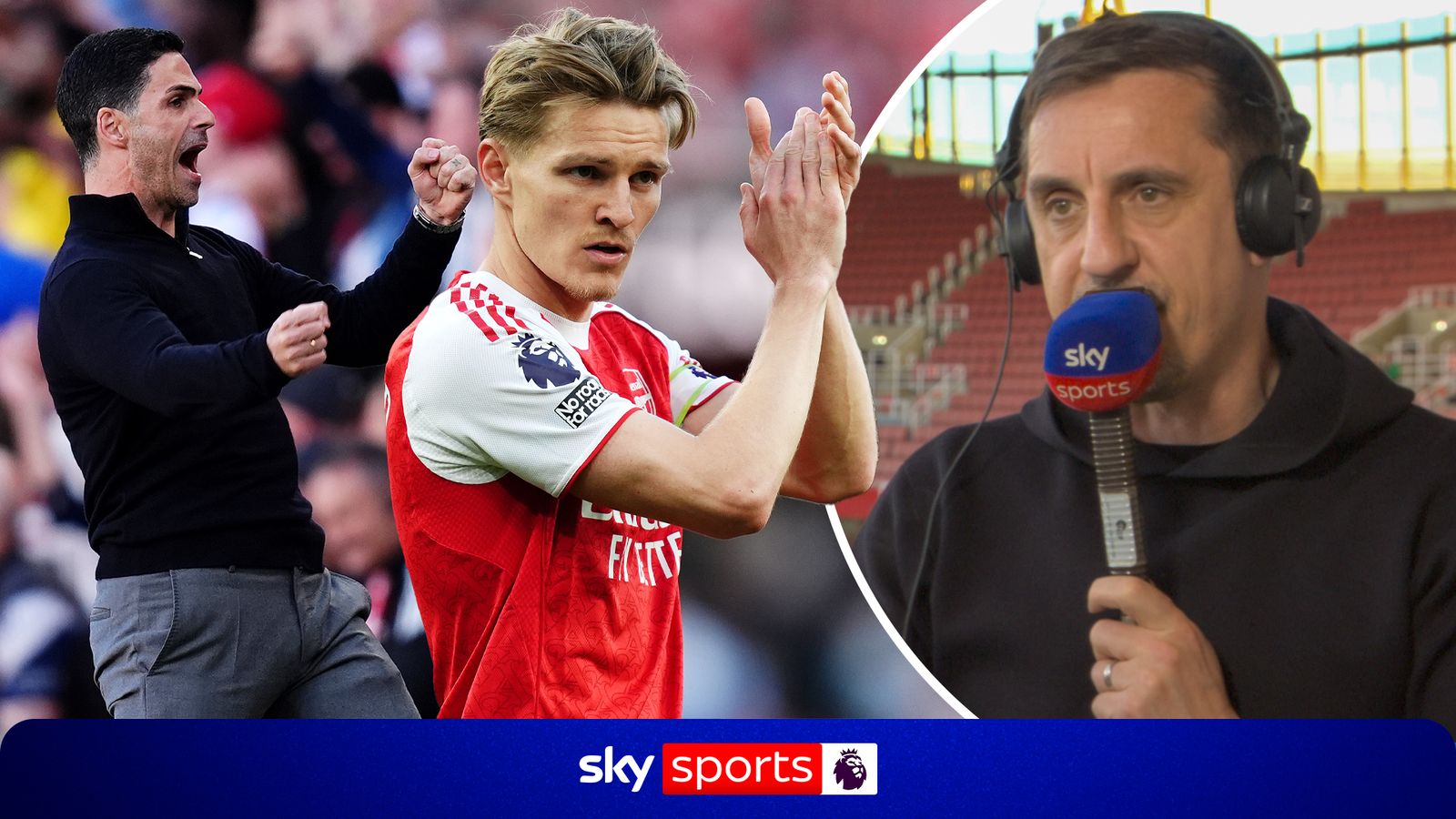
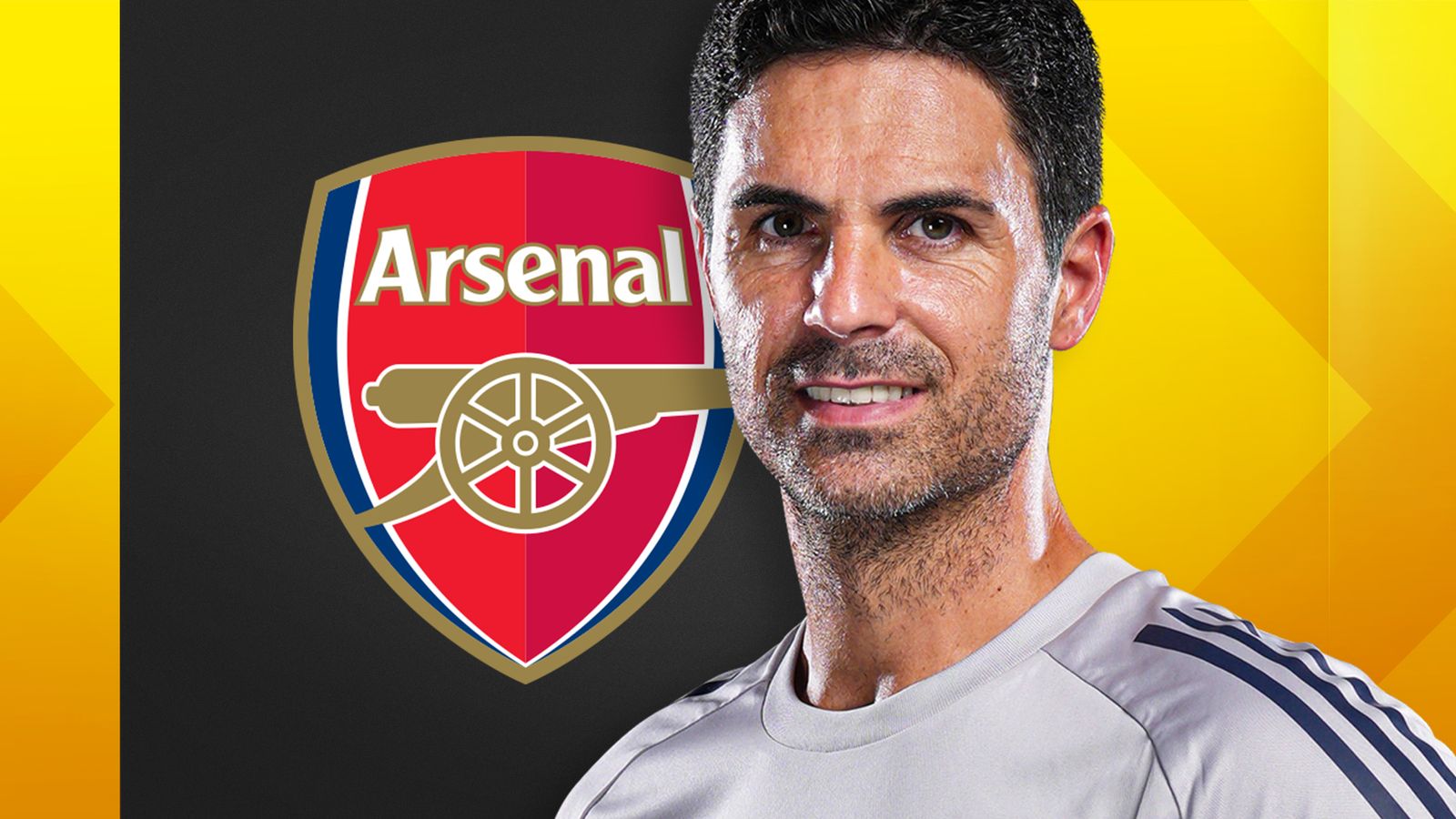
April 11, 2026, marks exactly three days before the Champions League quarter-final second legs, but the domestic narrative remains stubbornly focused on the crumbling trajectory of Arsenal's title hopes. The recent defensive lapses have shifted the internal calculus for Mikel Arteta, whose squad looks increasingly leggy in high-intensity transition phases.
We are observing a regression in the high-press efficiency that defined their autumn form. Statistical tracking suggests a 7% dip in turnovers forced within the final third compared to the mid-season average. When the press is bypassed, the back four—specifically the lateral spacing between the center-backs—has become a gaping tactical hole opponents are exploiting with alarming frequency.
Liverpool's youth movement provides a stark contrast
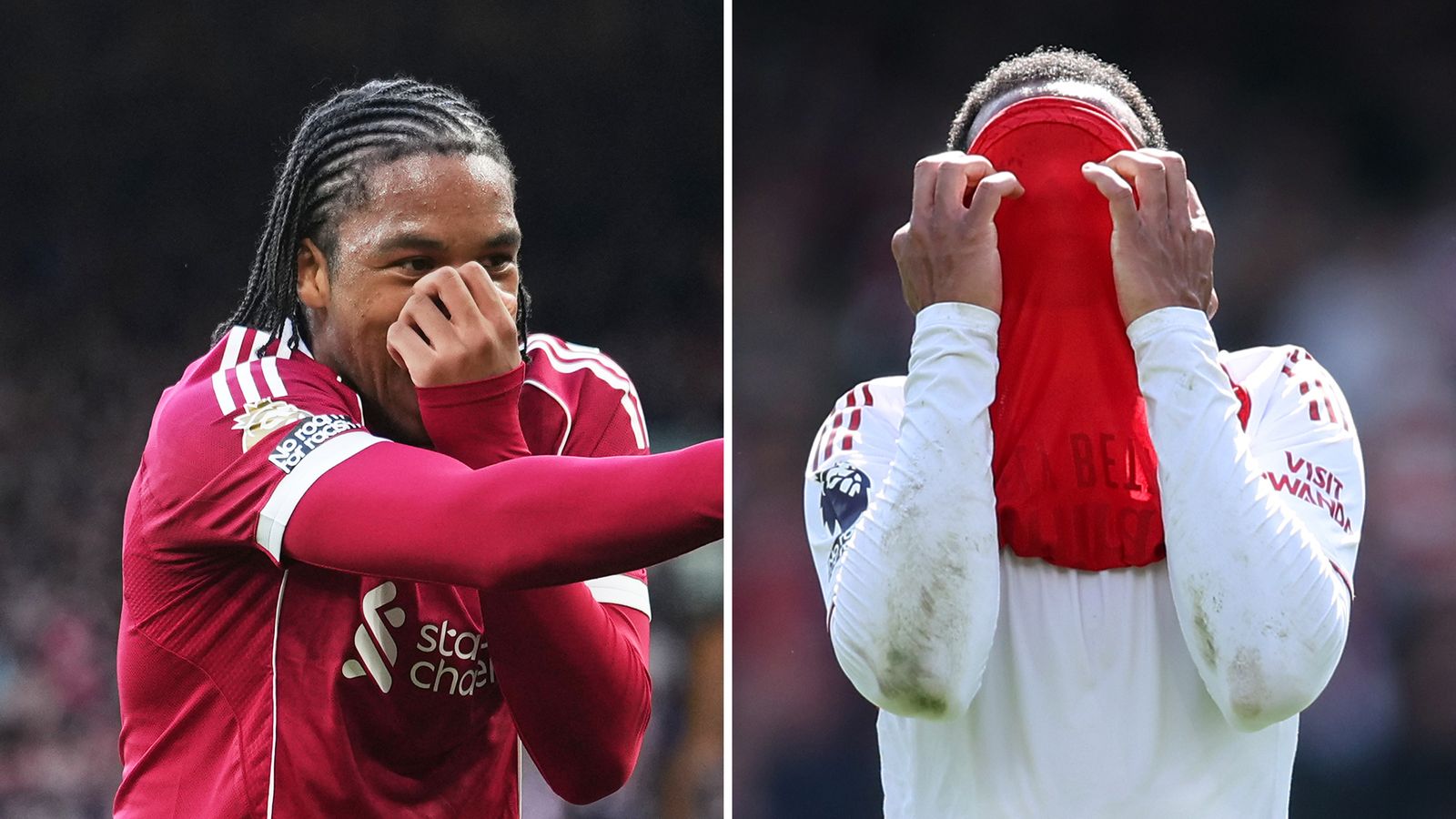
While Arsenal grapples with squad fatigue, Anfield is buzzing with the emergence of new talent like Rio Ngumoh. It is a sharp reminder that sustainable success depends on the integration of fresh legs during the final, grueling month of a campaign.
Ngumoh’s recent cameos have provided a technical versatility that the current first-team XI lacks. Following recent reports regarding his development, it is clear that while Arsenal leans on a rigid selection, their counterparts are finding production in depth. This represents a failure in succession planning that could prove fatal if the gap at the top narrows further.
Tactical rigidity or tactical genius?
The primary critique of this Arsenal vintage remains the lack of a secondary plan. When the 4-3-3 is neutralized by a low block, the conversion rate on crosses into the box has plummeted to an abysmal 12%.
The dependence on individual brilliance to unlock tight defenses is a dangerous gamble. If the creative hub is isolated, the team effectively reverts to lateral recycling of possession until the opposition successfully initiates a counter-attack. It is a slow, predictable, and frankly uninspired way to close out a league championship.
The weight of the schedule
We are now staring at the 17-day window before the Champions League semi-finals kick off on April 28. Every league match between now and then is a high-stakes balancing act between domestic survival and continental preservation.
Management must decide whether to rotate the roster and risk dropping points to mid-table teams or burn out the stars and arrive in Europe with heavy legs. Missing the rotation window four weeks ago now forces a binary choice that no title-winning side wants to face. History shows that teams prioritizing a 'strongest XI' approach past the 30-game mark often experience a collapse in 90-minute stamina levels.
Final assessment
Predicting the finish line is a fool’s errand, but the data points toward a painful May for the Emirates faithful. The midfield transition is currently too porous to protect a lead against tactically astute counter-attacking sides.
I expect Arsenal to drop points in at least two of their next four fixtures. They lack the clinical edge required to punish deep defensive blocks, and their inability to adapt mid-match is now a verified liability. Book them for a third-place finish; they simply have too many structural cracks to survive the pressure of the final 180 minutes of the season.
Read Next