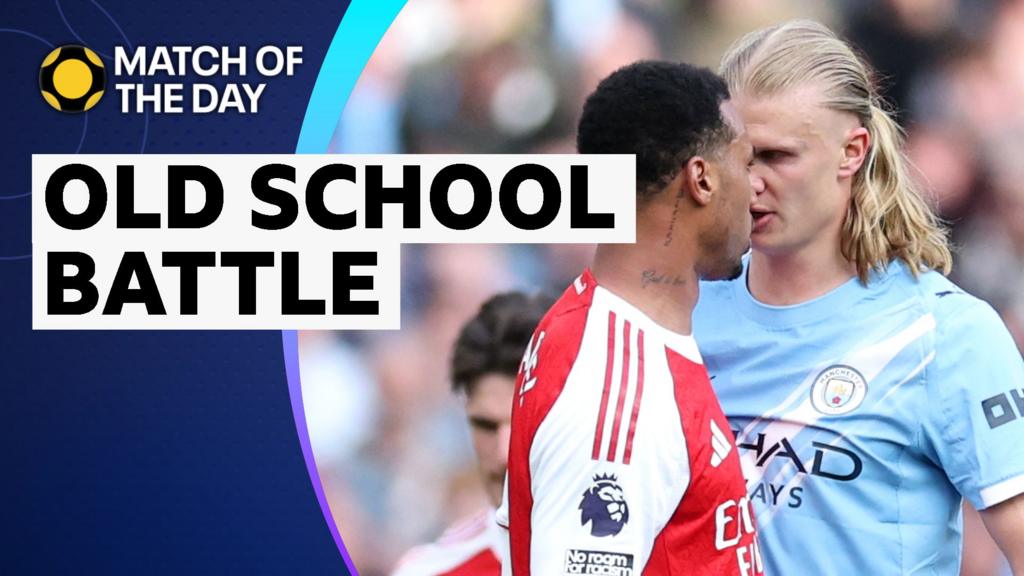
Measuring the fallout from the Etihad clash
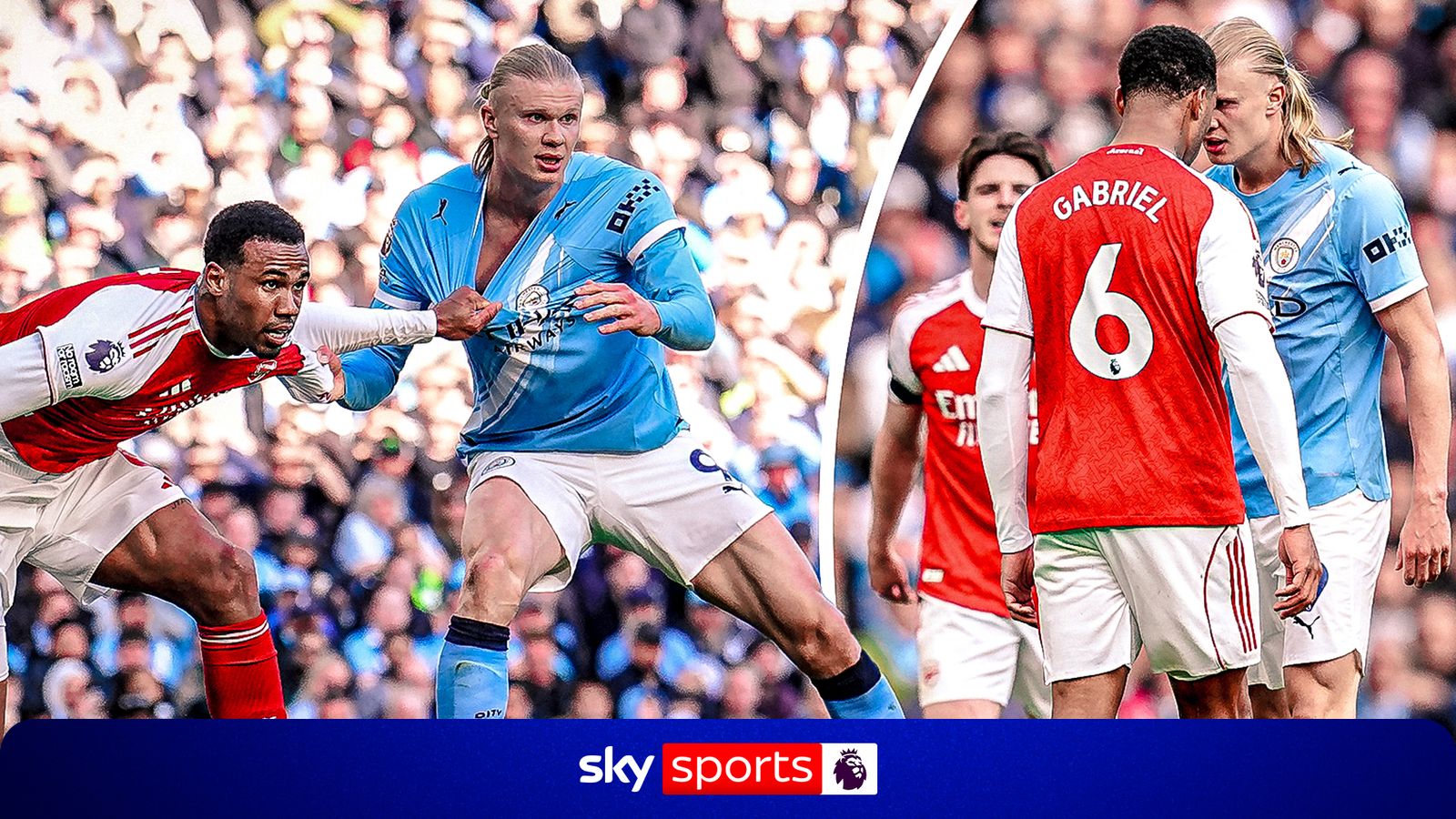
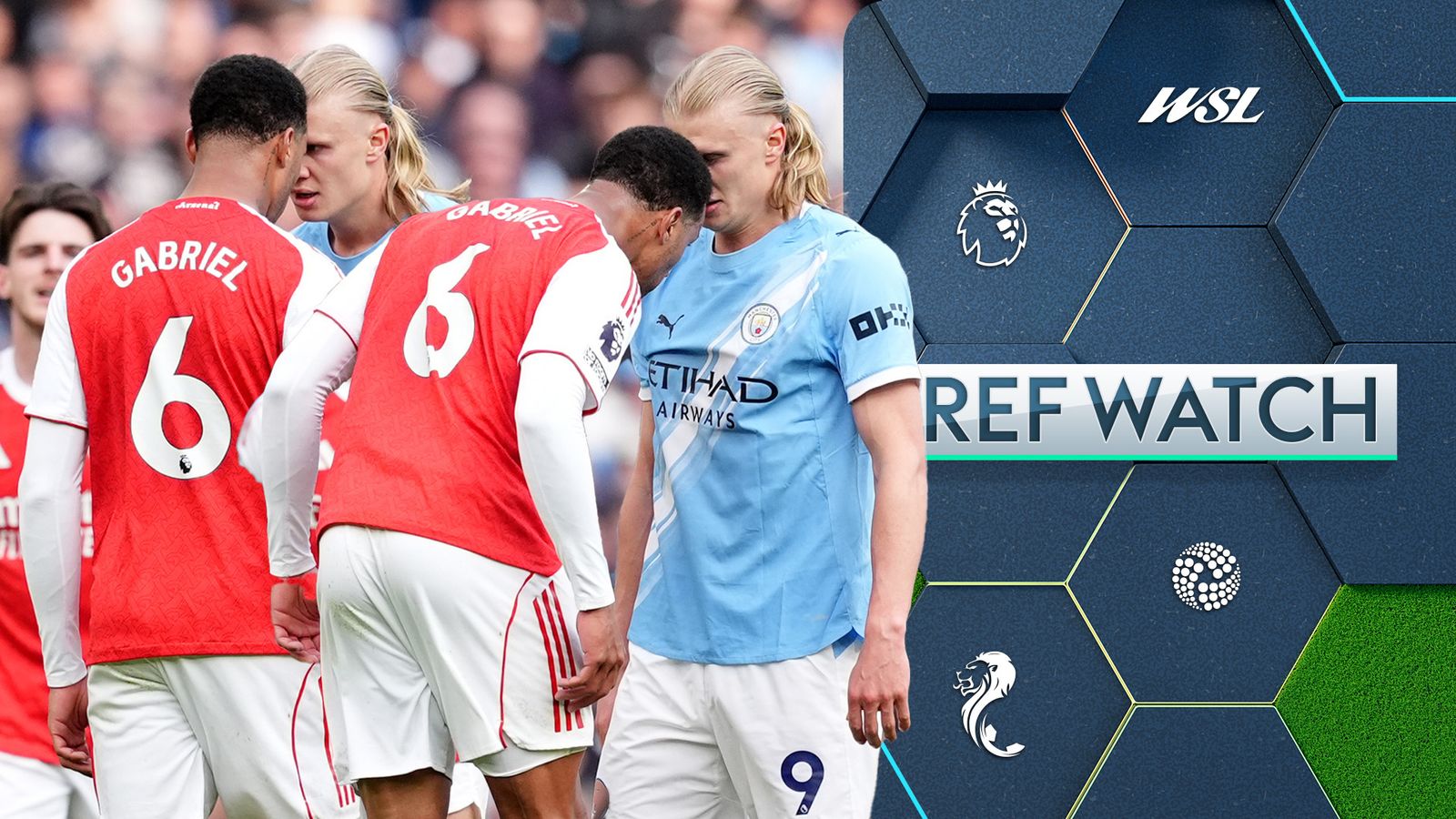
The recent 2-1 victory for Manchester City over Arsenal left more than just three points on the table. It reignited the debate over how to handle Erling Haaland in open play. Watching Gabriel Magalhães shadow the Norwegian proved that physicality is only half the battle. When you isolate these two, you ignore the structural gaps that opened up elsewhere on the pitch.
Wayne Rooney and Danny Murphy highlighted this 'old school battle' on Match of the Day, but the tactical reality was less vintage grit and more positional drift. Gabriel spent 90 minutes glued to the striker, yet City’s winner came from a secondary phase where the defensive block fractured due to an late adjustment in midfield tracking. It is a recurring issue for Mikel Arteta when facing elite transition sides.
Tactical rigidity vs. fluid creation
Arsenal continues to lean heavily on the technical proficiency of their center-backs to start attacks, but the reliance on individual duels to solve defensive problems is a flaw. Gabriel is an elite recovery defender, but forcing him into a 1v1 vacuum against the league’s most efficient finisher creates a domino effect. If the press is bypassed, the space behind Arsenal’s high line becomes a playground for Rodri and Kevin De Bruyne.
The underlying data from their recent meetings suggests a dip in Arsenal's xG per shot when they commit too many resources to shielding the center. By overcompensating for Haaland, they are starving their own wingers of the quick transition ball. Arteta must decide if he prefers a clean sheet via neutralization or a high-scoring gamble on his own creative output.
What to watch for as the season reaches the wire
We are currently sitting at April 20, 2026, and the margin for error has effectively vanished. Any side chasing City right now cannot afford a slow start. The concentration of talent at the Etihad means that if you switch off for even two minutes, you are punished. That is exactly what happened during their last encounter, where a lapse in marking led to the decisive moment at the 78th minute.
The defensive discipline required
- Maintaining depth control against long balls aimed at the channels.
- Short-passing triggers that disrupt Guardiola's counter-press.
- Strict adherence to a two-man pivot when the fullbacks overlap.
For Arsenal, the path forward involves less containment and more sustained pressure in the final third. They have the capability to exploit the gaps City leaves when they push their defensive line to the halfway mark. Whether they possess the tactical bravery to leave an isolated man on Haaland to boost their own numbers in midfield is the question they must answer by the final whistle.
The verdict for the road ahead
Expect City to control the tempo while Arsenal attempts to force turnovers in more advanced zones. My prediction is that the outcome will hinge entirely on the discipline of the defensive anchors. Should Arsenal commit to their high-pressing system without hesitation, they have the pace to hurt City’s defensive transition. However, history suggests City will find a way to manufacture a goal regardless of the dominance of the visitors. I anticipate a 2-2 draw—a result that objectively favors the home side in the broader context of the title race.
Read Next