Arsenal Women confirm Champions League qualification
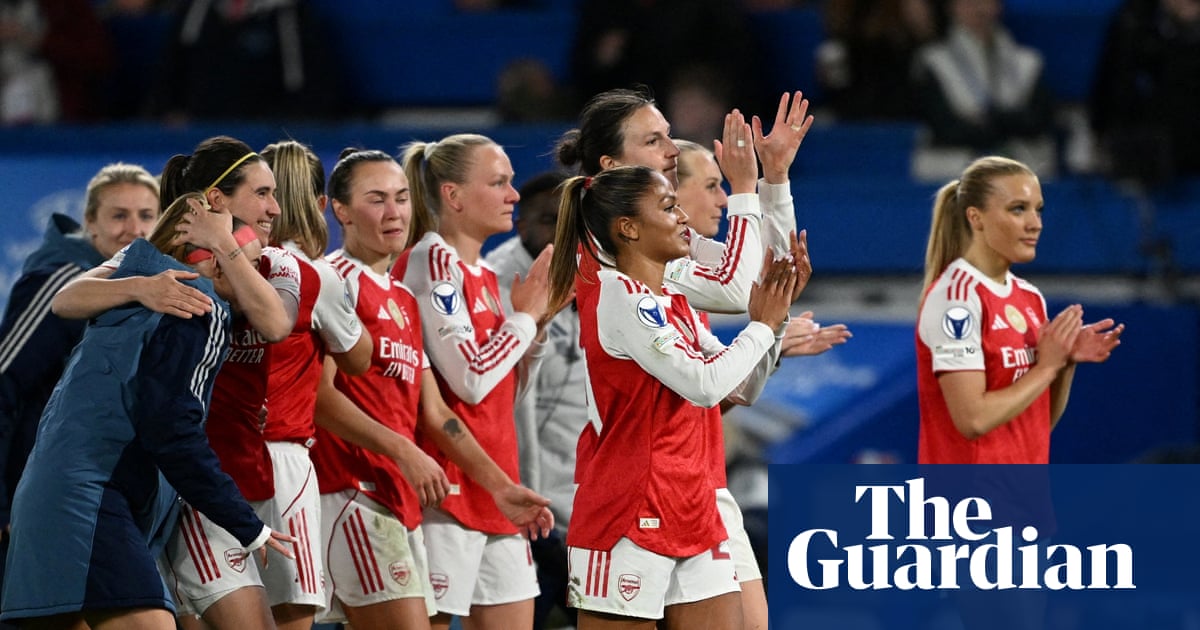
Arsenal Women solidified their status at the top end of the Women’s Super League yesterday, securing second place with a confident victory over Liverpool. Alessia Russo led the charge, netting two goals that effectively rendered the rest of the table irrelevant for the qualification slots. The win guarantees an automatic path into the Women’s Champions League, a massive objective for the club heading into the summer off-season.
The victory at Prenton Park was clinical, showcasing the tactical discipline required for high-level European competition. Arsenal managed to overcome the defensive adjustments made by Liverpool early in the first half, finding space in the flanks to transition quickly. According to reporting from Sky Sports, the composure shown in front of the net was the difference maker as the visitors dominated the final third.
For the squad, this finish serves as a relief after a season defined by intense pressure. Finishing behind Chelsea but ahead of Manchester City and United represents a clear step forward for the project. The organization will now look to stabilize its roster depth before the 2026/27 campaign begins in earnest.
Aston Villa force Liverpool out of top-four contention
The English Premier League narrative shifted yesterday with Aston Villa confirming their place among Europe’s elite. By overcoming Liverpool, Villa mathematically sealed their Champions League spot, completing a climb that felt improbable as recently as three months ago. Ollie Watkins was the clear architect behind the two-goal performance that broke Liverpool’s resolve.
As the BBC reported, the tactical battle was won in the transition spaces. Villa exploited Liverpool’s high line repeatedly, using long balls over the top to bypass the midfield press. It was a failure of focus from the hosts, who looked shell-shocked by the pace of the counter-attacks throughout the second half.
The strategic implications of this result are immense. Liverpool, a staple of the competition over the last half-decade, now faces the fiscal reality of the Europa League or lower-tier continental football. The lost revenue from missing the Champions League tournament format changes the incoming transfer budget significantly for the upcoming summer window.
The fitness test of a long season
While the focus remains on the scorelines, the physical toll of securing these qualifications has been visible. Both squads are dealing with the cumulative effect of a grueling calendar that includes domestic rotation and international commitments. Maintaining 85% availability across the closing weeks was likely the primary reason these specific clubs succeeded while others faded.
The medical staff at these clubs are now entering their most high-stakes period of the year. With the end of the league season finally arriving, the focus shifts to preventing burnout among players who are expected to join national camps for the World Cup buildup. Managing muscle fatigue is a delicate operations, and mistakes in recovery protocols now could haunt teams when the new season kicks off in August.
Criticism must be leveled at the league schedule, which continues to cram high-intensity fixtures into the final fortnights. Injuries are inevitable when fixtures are stacked so tightly. The league’s medical boards have been vocal about the burnout risks, yet the scheduling decisions continue to prioritize broadcast windows over player recovery intervals.
History tells us that teams who fail to manage their workload during these final weeks often see a sharp decline in performance during the following autumn. Whether Aston Villa or Arsenal can maintain this intensity will depend entirely on how they navigate the next three weeks of recovery. The game is becoming faster, and the margin for error in physical management has effectively vanished.
Read Next