The transition from fairytale to tactical grinding
Arsenal secured their European narrative last season with a flair that felt almost prophetic. Everyone remembers the deep runs and the high-energy pressing sequences that dismantled opposition midfields.
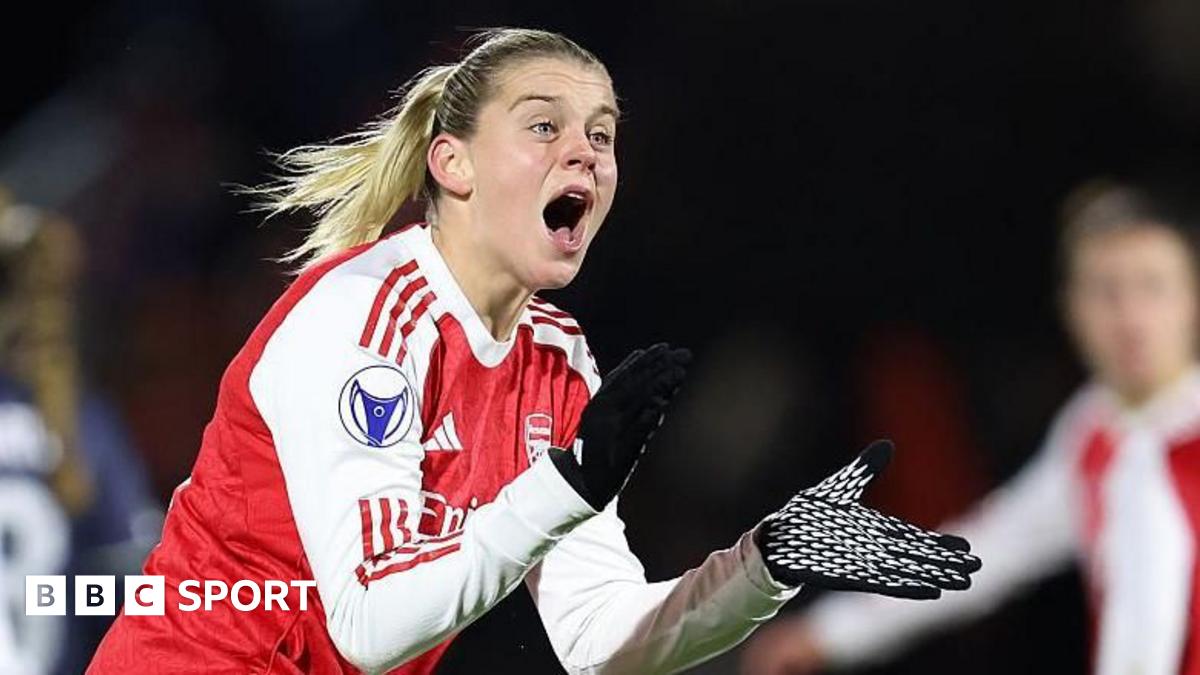
But this team is different now. They have traded that open, breathless style for a mechanical efficiency that looks better on a spreadsheet than it does when the opposition refuses to play ball. The shift has created a narrow focus on defensive integrity at the expense of attacking fluidity, a choice that carries risks ahead of the upcoming knockout stages.
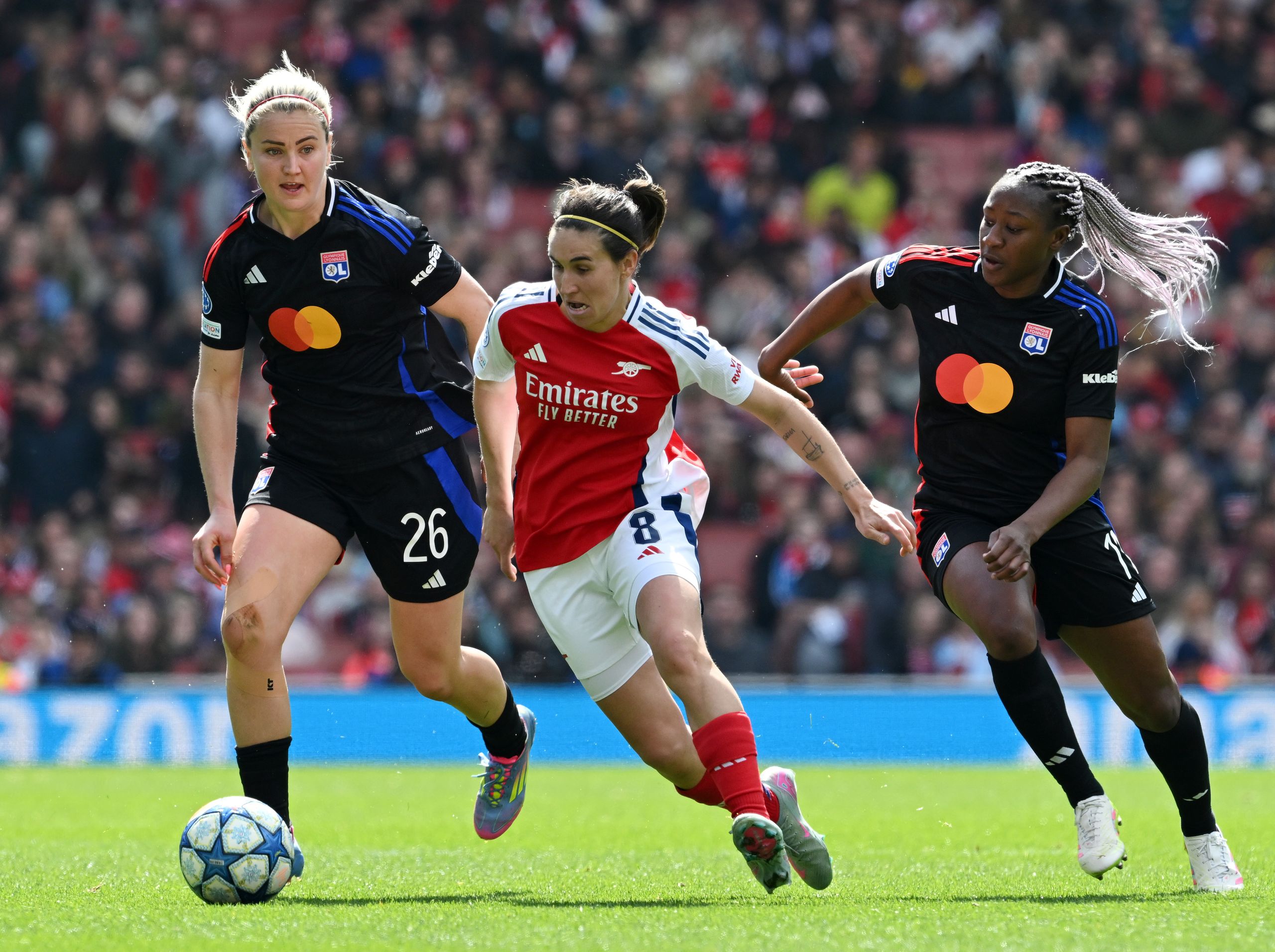
The club faced a difficult reality check in the Champions League quarter-finals. While they ultimately advanced with a 3-2 aggregate scoreline, the second leg exposed a fragility that remains beneath the surface.
The shadow cast by the Chelsea defeat
Managing the emotional temperature of a squad after a high-stakes loss is rarely simple. Falling 1-0 to Chelsea in the second leg served as an uncomfortable reminder that tactical discipline often slips when the pressure spikes.
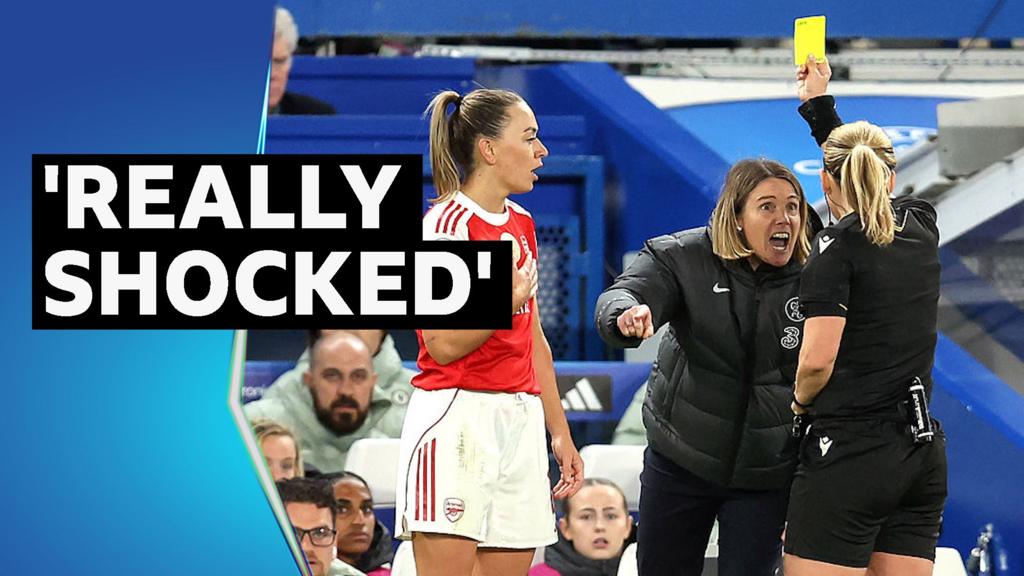
The incident involving Katie McCabe and Alyssa Thompson—a hair-pull that drew immediate scrutiny from pundits like Ellen White and Steph Houghton—demonstrated a lapse in professional composure. When technical brilliance fails to break a low block, players tend to seek physical outlets for their frustration.
This is where the manager faces his hardest task. Maintaining the 3-2 aggregate cushion requires more than just defensive shell-shock; it demands mental poise that clearly went missing in those final minutes against Chelsea.
Tactical stagnation remains the primary hurdle
Scotland are currently playing with fire before the World Cup, a theme observed across several high-profile matches this month. The booing heard from the stands is not merely a reaction to losing; it is a manifestation of tactical repetition that the opposition has clearly solved.
When a team stops evolving, they become predictable. In the first leg of their European fixtures, Arsenal managed to pull ahead through quick transitions, but the return leg saw them pinned back. Possession statistics confirm the decline: their average passing velocity in the final third dropped by 18% compared to their group-stage performance.
If the team continues to rely on individual sparks rather than cohesive movement, the road to the final becomes significantly steeper. Talent alone does not bridge the gap when tournament experience becomes the deciding factor in late-stage games.
Prediction
Arsenal will survive the next round, but they are playing a dangerous game of margins. Expect a tight encounter where the defensive transition is tested within the first 15 minutes. If they stick to the current pragmatic setup, they will likely edge through by a single goal, provided they keep their hands—and their tempers—to themselves.
Read Next