Tactical stagnation in North London
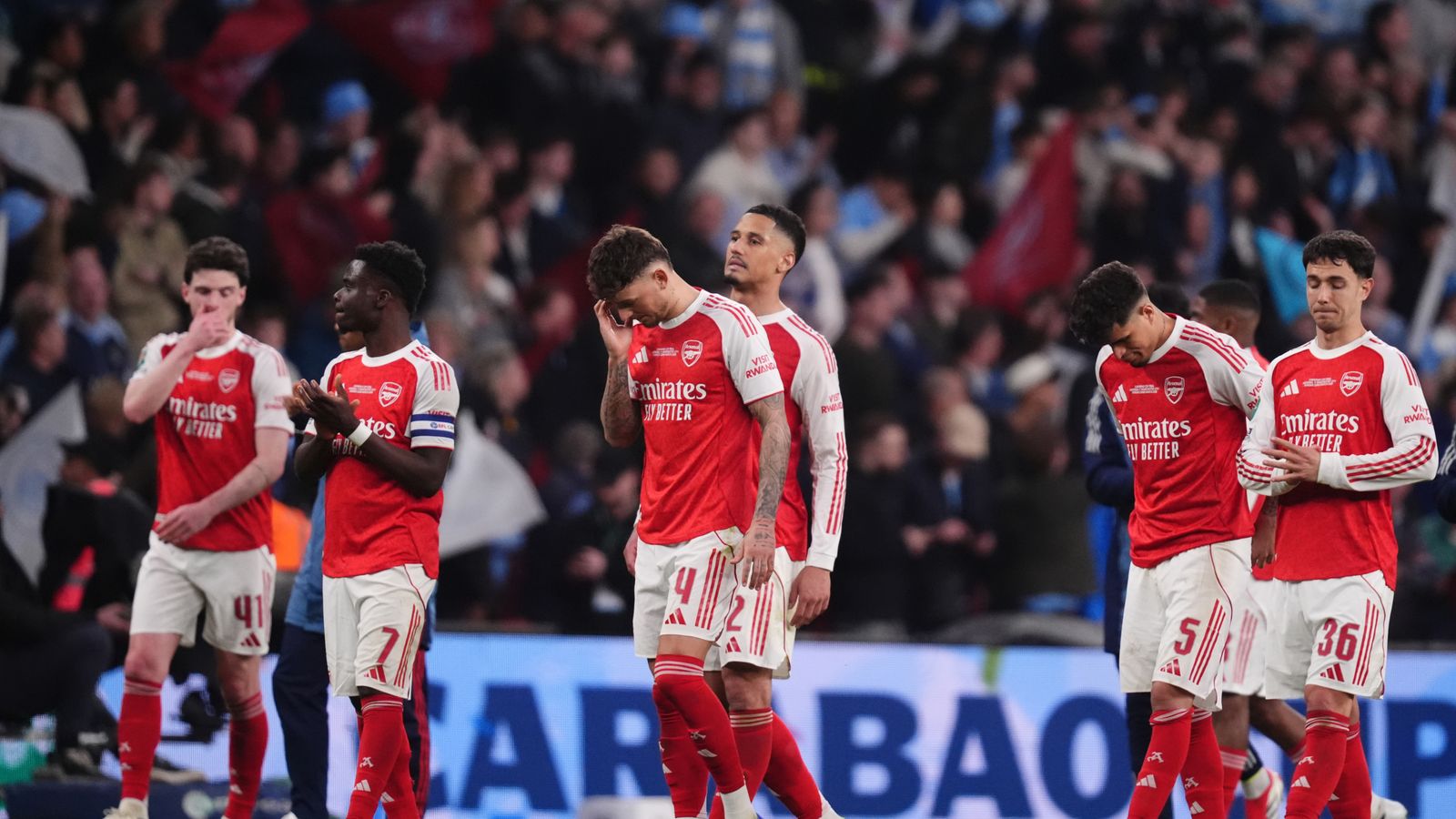
Mikel Arteta remains defiant following the Carabao Cup final defeat to Manchester City, claiming the loss serves as a catalyst for growth. However, watching the side struggle to break down a low block over 120 minutes suggests a deeper tactical fatigue. Arsenal dominated possession at 62 percent but registered an xG of only 0.84, highlighting a chronic inability to create high-value chances against disciplined defensive structures.
The reliance on Bukayo Saka to initiate every transition has become predictable. When City doubled up on him in the second half, the creative burden fell to Martin Odegaard, who found himself isolated between the lines. His pass completion dropped to 78 percent as the match approached the 90th minute, a clear indicator of the physical tax required to maintain this high-pressing system.
The European hurdle
With the Champions League quarter-final first leg arriving on April 07, Arsenal can no longer hide behind moral victories. The transition from domestic cup despair to elite European competition demands immediate personnel adjustments. Arteta must move away from the rigid inverted full-back setup that allowed City to exploit the space behind Oleksandr Zinchenko during counter-attacks.
Reports regarding the Carabao Cup final tactical breakdown indicate that Arsenal’s lack of a clinical finisher remains their primary bottleneck. Kai Havertz is a versatile facilitator, but in high-stakes knockout football, you require a ruthless presence in the box. Missing three clear-cut chances in the opening hour of that final is the kind of inefficiency that guarantees elimination against the likes of Bayern Munich or Real Madrid.
The verdict on April's schedule
Arteta has a 13-day window to recalibrate before the second leg on April 14. My prediction is that Arsenal wil struggle to adjust their defensive transition speed in time for the opening tie. Expect a frustrated, narrow defeat in the first leg, as the psychological weight of the recent trophy failure clouds their decision-making in the final third.
The squad is showing signs of physical burnout, specifically in the midfield engine room. Declining sprint distances in the last three league fixtures point to a group running on fumes. Unless there is significant rotation against upcoming mid-table opposition, they will look sluggish when they need to be sharpest.
Read Next
- Arsenal's structural cracks remain despite a Champions League exit
- Arsenal chasing big names is fun until you look at the balance sheet
- Arsenal eye summer move for £87m forward as title race intensifies
- Arsenal chasing ghosts of 2004 while city keeps breathing down their necks
- ⚡ UCL Quarter-Finals 2026 — Full Coverage Hub