The 88th-minute breakthrough that saved Arsenal's evening
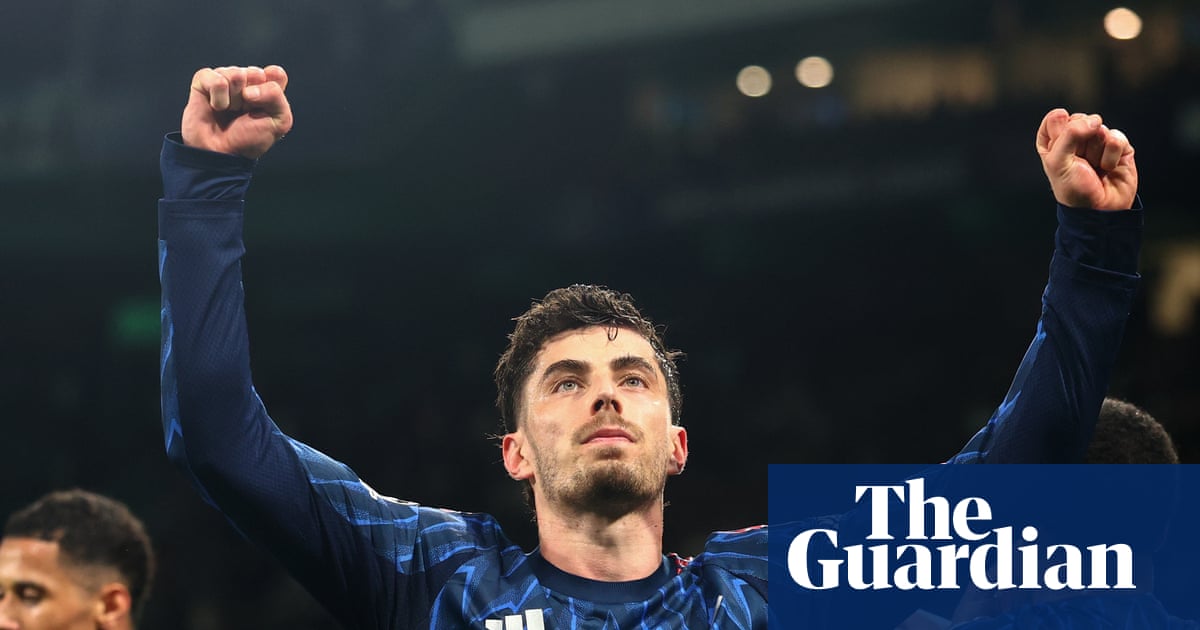
April 7, 2026, looked set to be a night of tactical frustration for Mikel Arteta. For 87 minutes in Lisbon, Arsenal played exactly into Sporting CP's hands, circulating the ball in a sterile U-shape that produced plenty of possession but almost zero threat. Then, the deadlock broke. The 88th minute winner didn't just change the scoreline; it altered the entire complexion of this quarter-final tie, rewarding a performance that was more about persistence than creative spark.
As The Guardian’s Football Weekly team noted, Arsenal’s late surge was a masterclass in wearing down a low block. Sporting had spent the majority of the match camped in a disciplined 5-4-1 formation, limiting Arsenal to just two shots on target before the final ten minutes. The Portuguese side recorded a defensive efficiency rating that would usually secure at least a point, but their energy levels cratered as the clock ticked past the eighty-minute mark.
Sporting's defensive wall and the statistical anomaly
The numbers from the Jose Alvalade Stadium tell a story of total dominance met by total resistance. Arsenal finished the match with 71% possession and completed 644 passes compared to Sporting’s 212. However, for the first hour, Arsenal’s xG per shot was a dismal 0.06. They were shooting from distance, frustrated by a Sporting midfield that refused to be drawn out of position. It took a tactical shift—Arteta pushing his full-backs into the half-spaces—to finally crack the Sporting nut.
The winning goal came from a sequence involving 14 consecutive passes, the longest build-up to a goal in the competition so far this week. While the result is a massive boost for the North London side, the underlying data suggests a worrying trend. This was the third time in five matches where Arsenal failed to create a 'Big Chance' (as defined by Opta) in the first half. Against a more clinical opponent than Sporting, that lack of early verticality will be punished.
Bayern Munich exploit the cracks in the Bernabéu myth
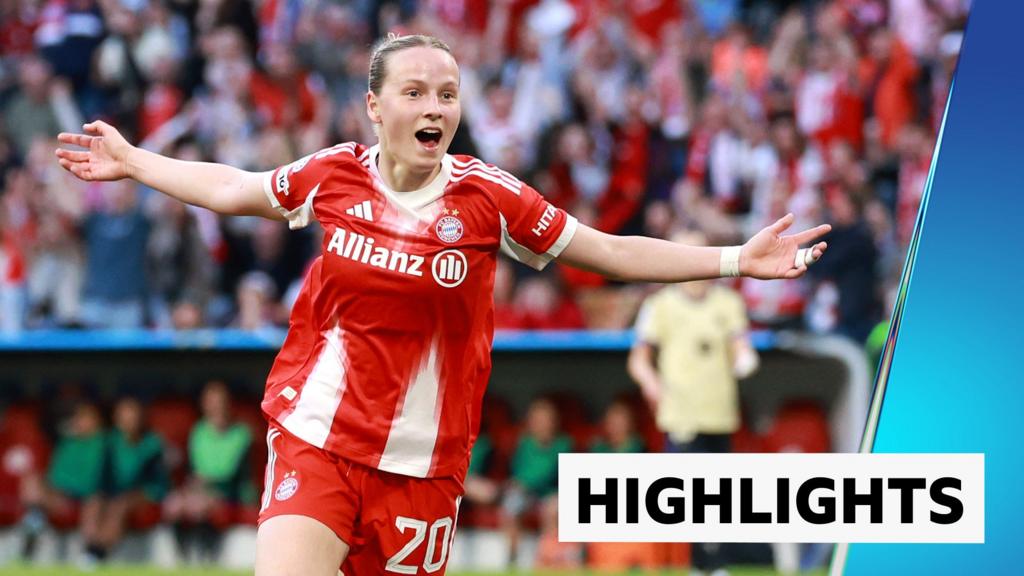
In Madrid, the story was entirely different. Bayern Munich didn't just win; they dismantled the aura of invincibility that usually surrounds Real Madrid in April. Bayern’s 2-1 victory was built on a clinical transition game that saw them convert 40% of their shots on target. Real Madrid, by contrast, looked heavy-legged and tactically disjointed, failing to track the overlapping runs of Bayern’s wing-backs.
Nicky Bandini highlighted the contrast in energy levels on the Football Weekly podcast, and the tracking data backs her up. Bayern Munich covered 118.4 kilometers as a team, nearly 6 kilometers more than their Spanish counterparts. In a high-stakes Champions League knockout game, that disparity is usually fatal. Real Madrid’s midfield, led by an aging core, struggled to maintain the intensity required to stop Bayern’s rapid counters.
Verticality vs. Volume: Why Bayern won the xG battle
Real Madrid finished the game with 19 shots, but only 4 were from inside the penalty area. Bayern Munich took just 9 shots but generated an xG of 1.92. Every time Bayern broke, they looked like scoring. Their pass completion rate in the final third was a staggering 88%, a testament to their composure under the Bernabéu lights. It was a performance that stripped away the glamour of the occasion and replaced it with cold, German efficiency.
"Real Madrid looked like a team waiting for a moment of magic that never arrived, while Bayern looked like a team with a blueprint."
The most damning statistic for Carlo Ancelotti’s side was their failure to win a single second ball in the midfield third during the final twenty minutes. Bayern’s physical dominance was absolute. Even with the home crowd roaring, Real couldn't find the tactical discipline to stop Thomas Tuchel's side from playing through their press. It is the first time in 14 matches that Madrid has lost at home in the Champions League knockout stages.
The critical failure of Madrid's high line
One must look critically at Ancelotti’s decision to maintain a high defensive line against a Bayern attack that features some of the fastest transitions in world football. By the 60th minute, it was clear that Real’s center-backs were struggling to track the depth. Bayern exploited the space behind the full-backs repeatedly, with 65% of their attacks originating from the wide channels.
This wasn't just a bad night for Madrid; it was a structural failure. They allowed 12 progressive carries into their penalty area, the highest number they have conceded in a single match this season. If they hope to overturn this deficit in Munich on April 14, they have to find a way to shore up the gaps between their midfield and defensive lines. Right now, those gaps are wide enough to drive a team bus through.
Second leg projections and the weight of history
Looking ahead to the return fixtures, the statistical advantage has swung heavily toward the victors. Historically, teams that win the first leg of a Champions League quarter-final away from home progress 94% of the time. For Sporting and Real Madrid, the mountain is steep. Sporting must find a way to score at the Emirates, a stadium where Arsenal has conceded just 0.8 goals per game this season.
Real Madrid's task is even more daunting. They need to win by two clear goals in Munich, a feat they haven't achieved since 2014. Bayern’s home form is formidable, with an average of 2.4 goals scored per match in the Bundesliga. If Bayern maintains their current conversion rate, Real Madrid will need to score at least three times to have any hope of reaching the semi-finals. Based on yesterday’s evidence, that feels like a fantasy.
The fatigue factor in a World Cup year
We are seeing the early signs of the 'pre-World Cup slump' that many analysts predicted. With the 2026 World Cup just 64 days away, several key players for Arsenal and Real Madrid looked notably cautious in their physical duels. The sprint distance for Real's top three attackers was down by 12% compared to their season average. It is a subtle but significant drop that suggests minds might be drifting toward the summer in the United States.
Arsenal, however, seem to have found a second wind. Their late goal in Lisbon was fueled by a bench that contributed 3 key passes in just 15 minutes of action. Arteta’s squad depth is finally paying dividends at the exact moment his rivals are beginning to fray at the edges. Whether this momentum can carry them through the return leg—and potentially a semi-final—remains the biggest question in European football tonight.
Read Next
- Kane is rewriting Bayern's knockout expectations
- UCL Quarter-Finals: Europe's elite face moments of truth
- Arsenal's luck is about to run out in the Champions League
- Michael Olise broke the Bernabeu. Now Bayern have to finish the job.
- ⚽ La Liga 2025-26 — Title Race Hub
- ⭐ UCL 2026 — Champions League Quarter-Finals Hub