The physics of the title chase
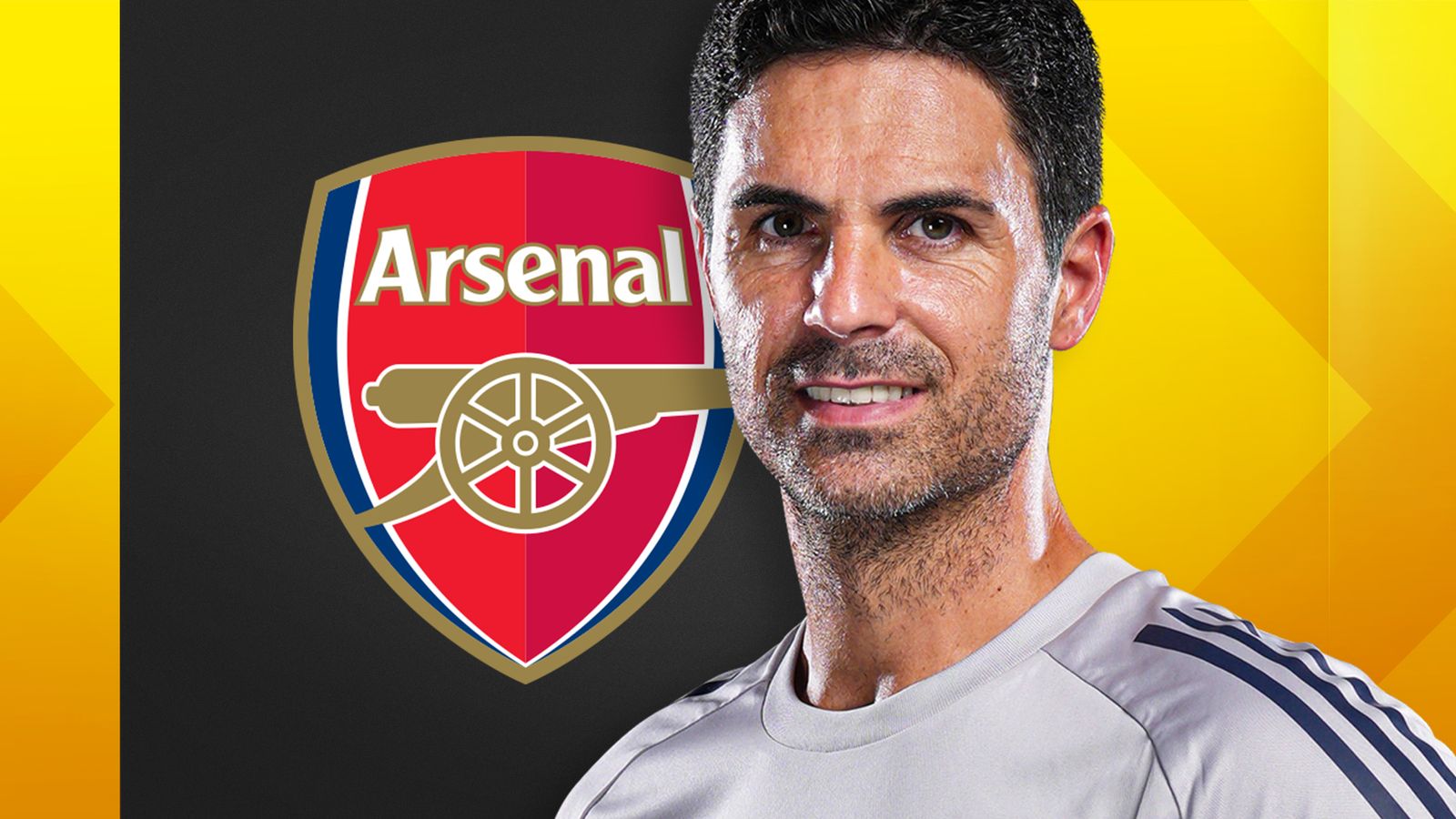
April 25, 2026, marks the point where legs betray even the most disciplined squads. Mikel Arteta’s Arsenal have spent months operating in a state of high-intensity friction, and the toll is becoming visible. Following the recent win against Newcastle, it is clear the tactical identity remains, but the physiological margin for error has tightened significantly.
Reports on Kai Havertz and Eberechi Eze highlight a roster stretched thin. When a side demands such explosive pressing triggers, the risk of burnout rises exponentially. The Newcastle fixture served as a litmus test for endurance as much as it did for table position. Defensively, Arsenal looked reactive in transition after the 70th minute, allowing Newcastle spaces in the half-spaces that would be lethal against elite Champions League opposition.
The European tension across the continent
While Arsenal fight to regain domestic control, the picture across Europe remains volatile. As The Guardian reported, Bayern Munich pulled off a staggering 4-3 comeback against Mainz 05 yesterday, fueled by second-half interventions from Harry Kane and Michael Olise. Munich's ability to salvage three points from a 3-0 deficit speaks to a mental resilience that most squads lack this late in the calendar.
Meanwhile, the women's game shows how quickly momentum can shift. Franziska Kett endured a chaotic night for Bayern against Barcelona in their Champions League semi-final first leg, scoring the equalizer before being sent off. That red card altered the geometry of the tie entirely, proving that one impulsive decision from 30 yards out can ripple through the entire match strategy.
What to watch for at the Emirates
Arsenal need to address their structural rigidity during attacking transitions over the next three days. Watching the film from the Newcastle match, there were repeated instances where the inverted fullbacks were caught too high, leaving the center-backs on an island. If Arteta maintains this high-line aggression, he invites disaster against teams with pace in the wide channels.
Critics point to the lack of rotation in central midfield as a primary failure. The reliance on the same pivot for three consecutive months is unsustainable, especially with European semi-finals looming on April 28. If the double-pivot doesn't show a willingness to settle the tempo deep in their own half, they will be bypassed by faster, more clinical teams by the 60th minute.
The prediction
Arsenal will hold onto their lead in the short term, but they aren't cruising to the finish. The reliance on individual moments of brilliance to cover for tired legs is a dangerous game. They will struggle to maintain clean sheets if they continue to lose the ball in the middle third at the current rate. Expect a gritty, narrow victory in their next outing, likely secured through a tactical substitution rather than a full 90-minute dominance.
Read Next
- Arsenal hit a physical wall just as the stakes get impossible
- Arsenal's win over Newcastle proves their title push relies on grit, not flair
- Top 10: The defining moments of the 2025/26 football season
- Why William Saliba had to call out Arsenal's tactical laziness
- ⭐ UCL 2026 — Champions League Quarter-Finals Hub