The tactical fallout of the Chelsea-Arsenal clash
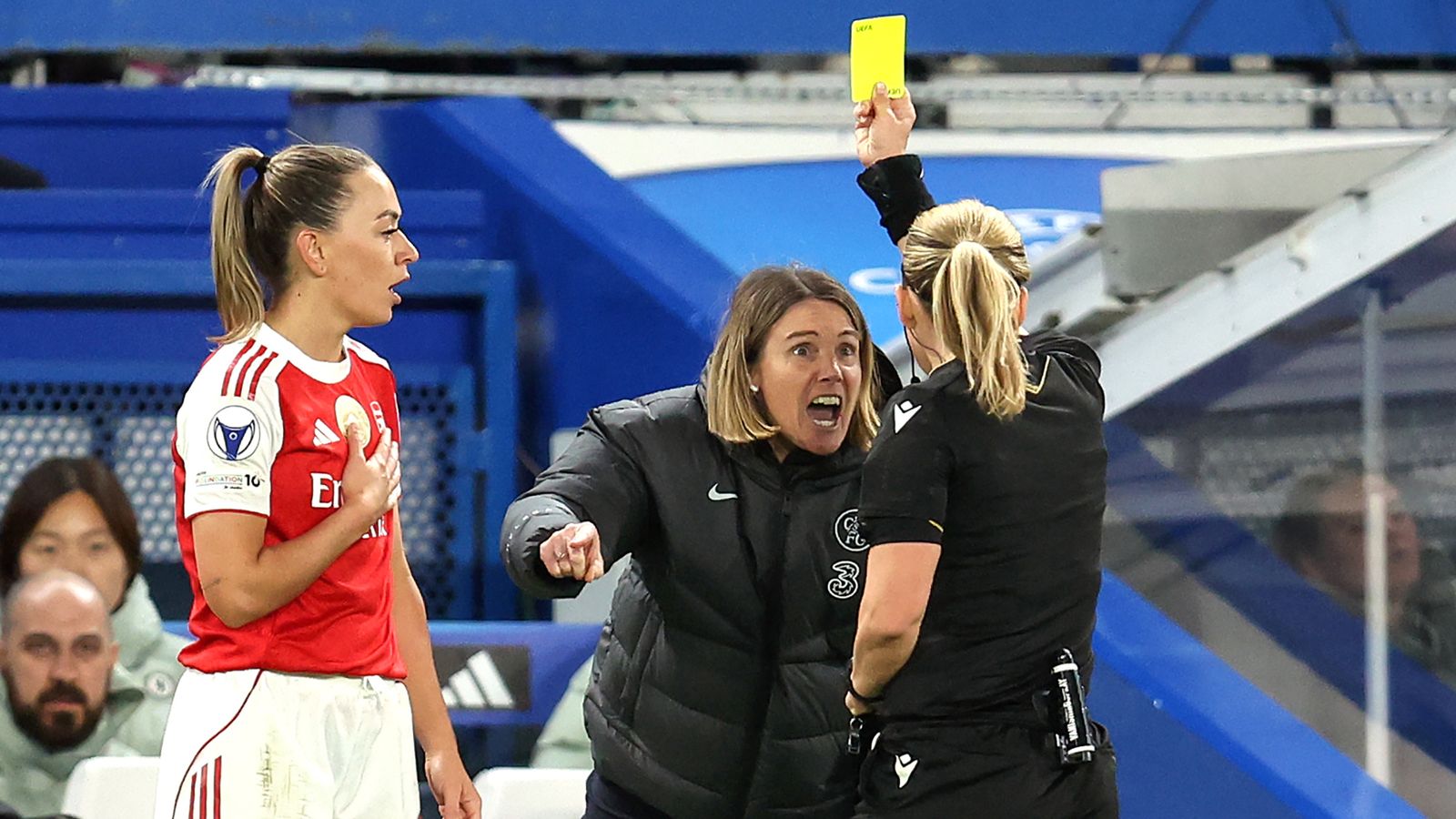
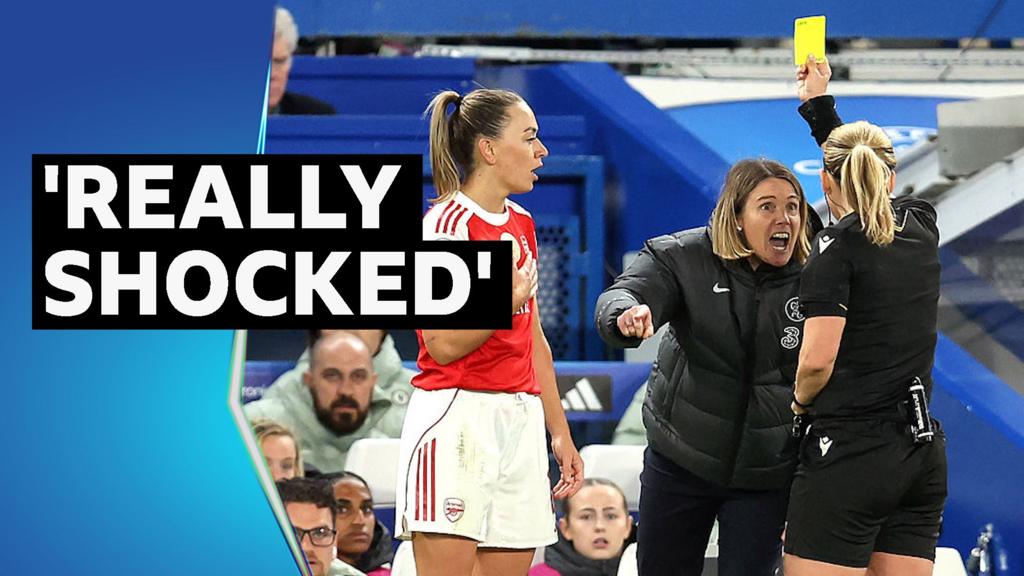
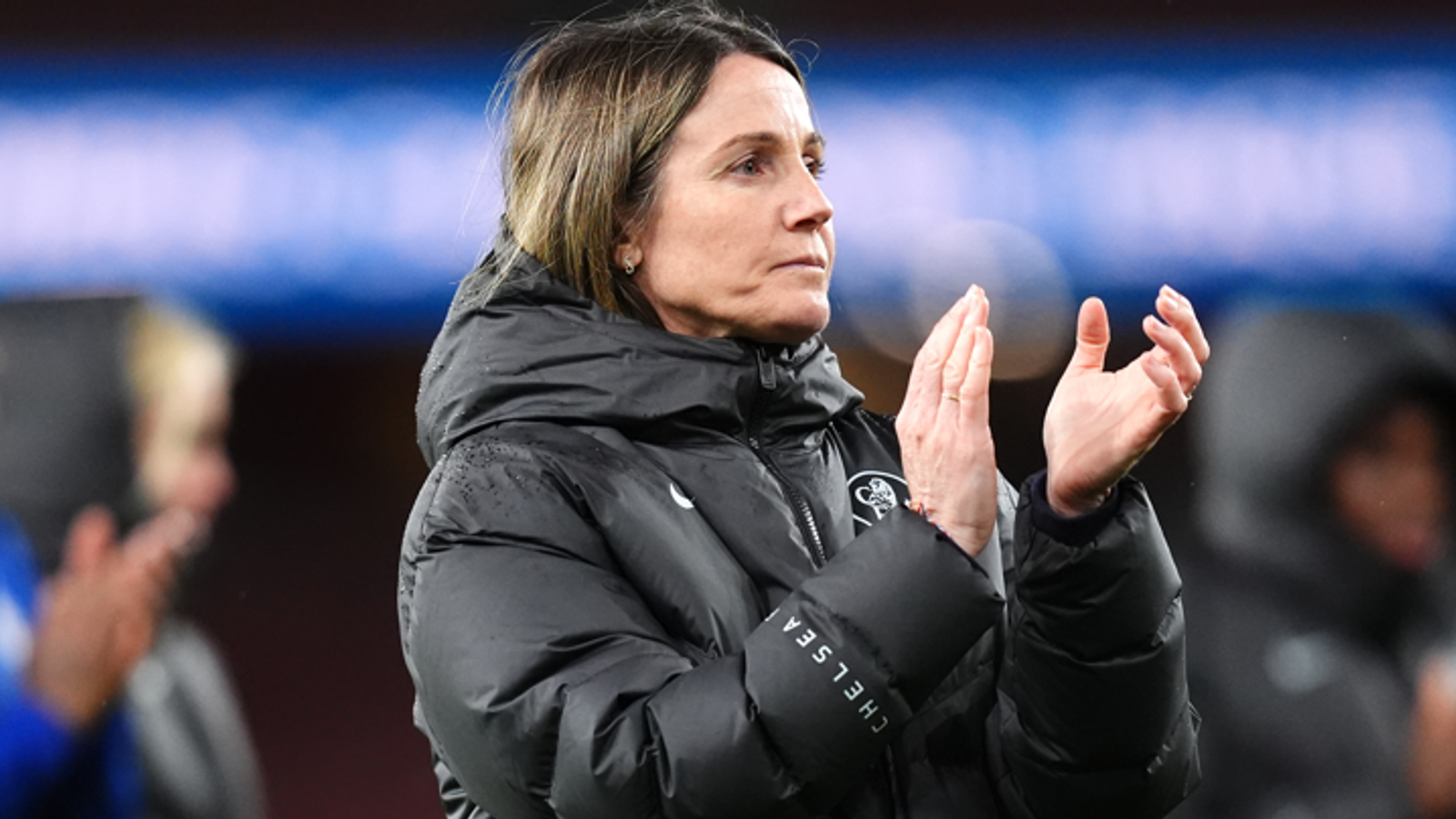
Sonia Bompastor spent much of her post-match press conference on April 1 criticizing the officiating standards following Chelsea’s exit from the Champions League. The manager’s frustration stemmed from a chaotic finish to the second leg, where she received two yellow cards after reacting to a late-game altercation.
The incident ignited when Arsenal’s Katie McCabe pulled the hair of Alyssa Thompson during a stoppage-time scramble. For Chelsea, the sequence represented a breakdown in match control that effectively ended their continental campaign. Bompastor explicitly stated the officiating was “not good enough” to handle the intensity of the quarter-final matchup.
Injury updates and roster availability
Medical staff are currently evaluating Alyssa Thompson for potential neck strain following the physical confrontation in the final minutes. The incident, involving a visible grab of the hair by McCabe, forced a pause in play as trainers attended to the forward. While no formal ligament damage has been reported, the club remains cautious regarding her participation in the upcoming domestic fixture.
Thompson has been a vital part of the attacking rotation, logging significant minutes throughout the group stage. The club confirmed, as The Guardian reported, that the physical nature of the conclusion resulted in immediate intervention by the medical team. Further imaging is scheduled for tomorrow to rule out cervical vertebrae irritation.
The broader impact on tactical reliability
This match is emblematic of a trend where high-stakes European ties devolve into chaos due to inconsistent refereeing oversight. Chelsea now faces a shortened training week as they transition back to league play, forced to manage roster health without the luxury of a Champions League semi-final berth. The loss of momentum for a club like Chelsea is quantifiable in both squad morale and recovery scheduling.
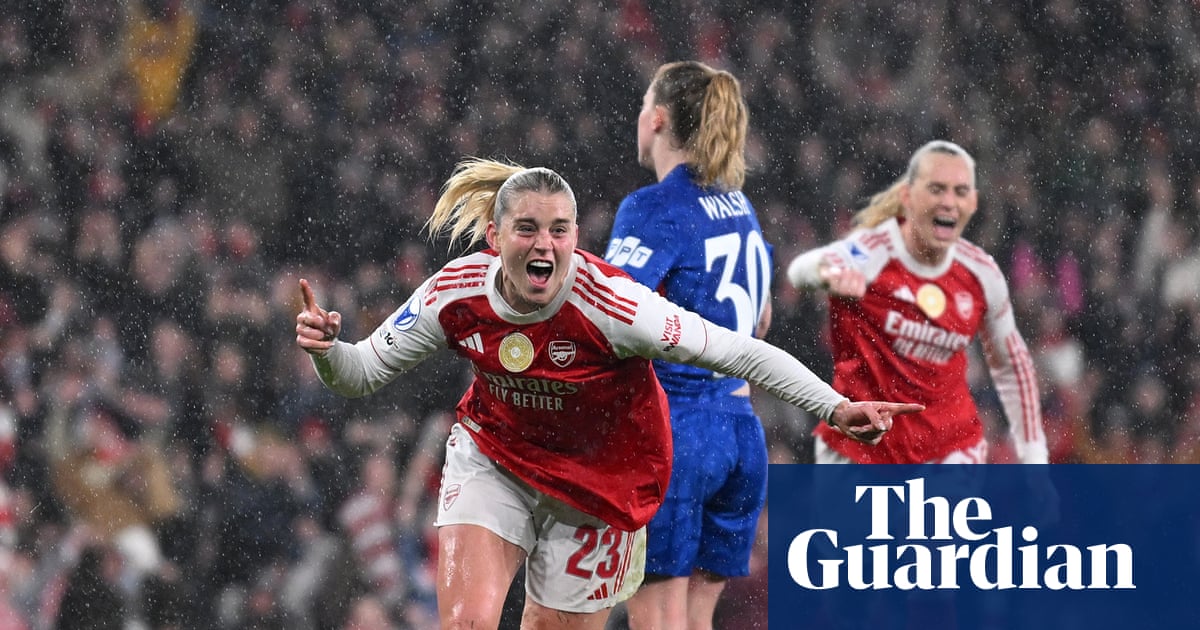
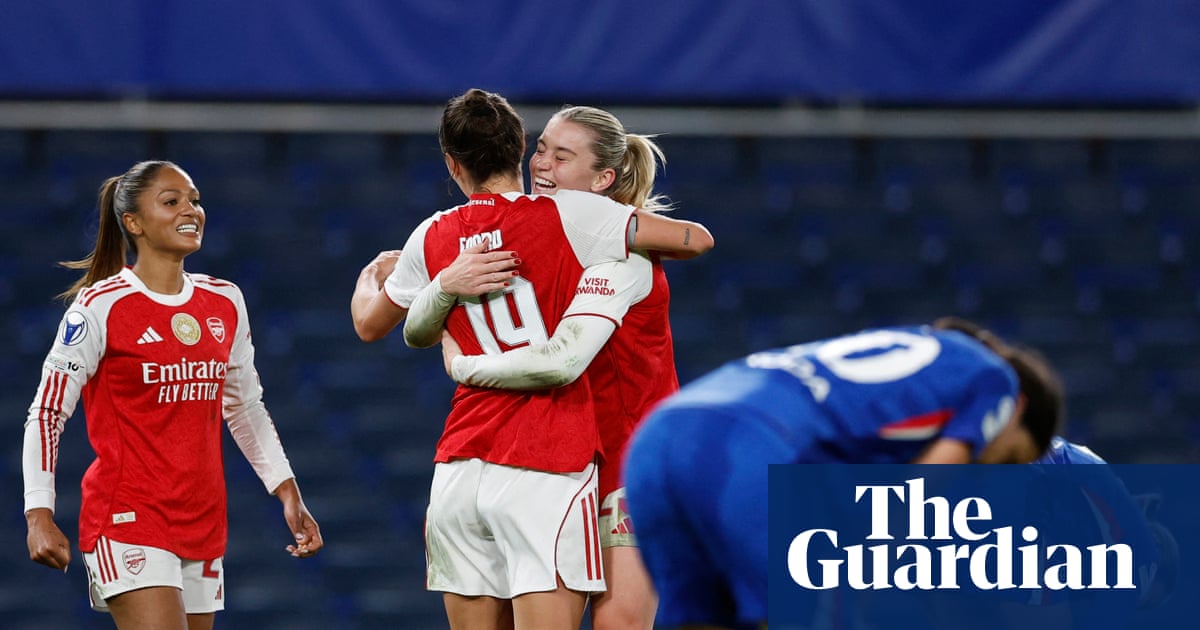
The physical toll of these quarterfinals is rarely one-sided. Arsenal advances to the next round, but they must now navigate the wear and tear of a punishing 180-minute aggregate series. History suggests that clubs pushing deep into European brackets often see a performance dip in domestic matches held in the week immediately following these taxing two-legged ties.
Strategic implications for upcoming brackets
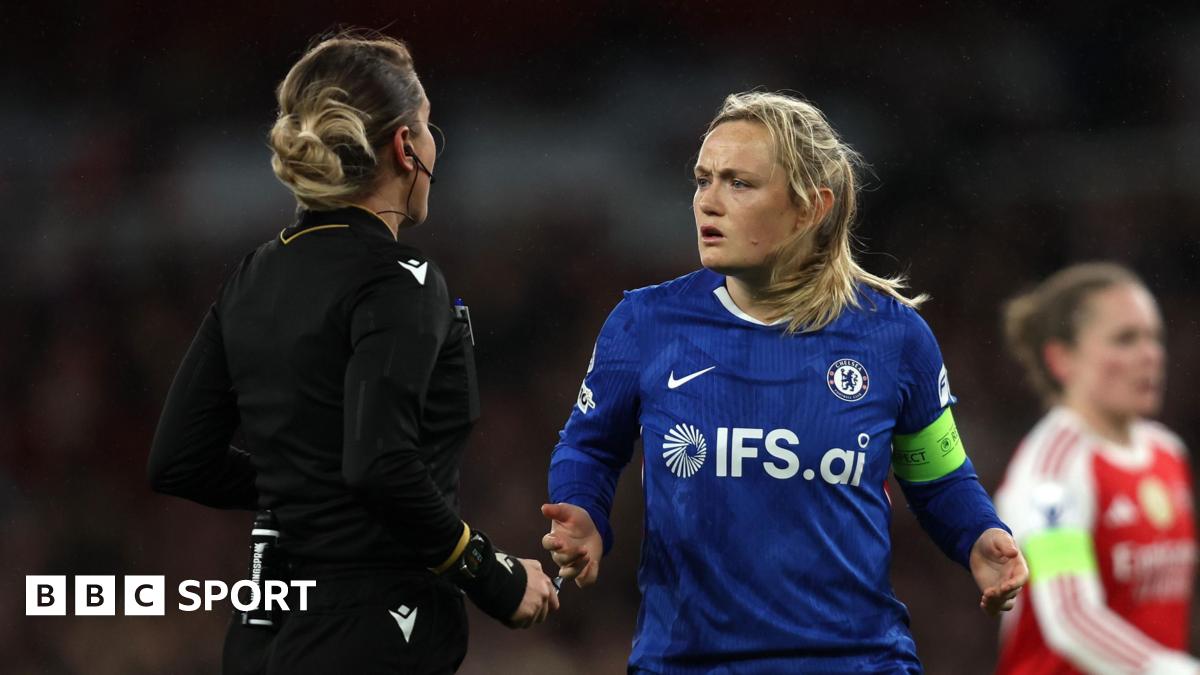
Officiating oversight remains a critical failure point in modern UEFA competitions. When referees fail to manage off-the-ball conduct, as seen with the McCabe-Thompson incident, squads are forced to play through unnecessary physical risks. Coaches like Bompastor are increasingly vocal about the lack of VAR consistency during late-match intensity spikes, which directly impacts the safety and availability of the players on the pitch.
Looking ahead to the next stage of the tournament, the remaining teams must prepare for increased scrutiny regarding disciplinary conduct. UEFA’s technical committee typically issues memos to officiating crews following high-controversy matches. How these crews adapt to the intensity of the semi-finals will dictate which clubs reach the final on May 28, 2026 in London.
Chelsea’s exit serves as a reminder of the fragility of knockout football in the spring. A single lapse in discipline or a missed call by a referee can dismantle months of preparation. The club will now pivot its focus to securing a top-tier finish in the domestic table, though the recovery time for players involved in the quarter-final scrap remains a point of internal concern for the medical department.
Effective rehabilitation for players affected by these matches involves more than just rest. Staff at the Cobham training complex often utilize cryotherapy and tactical load management to ensure that players like Thompson are back at full speed before the next kickoff. Anything less than 100 percent readiness poses a risk of compensatory injuries during the final sprint of the campaign.