The shadow of the Paris exit
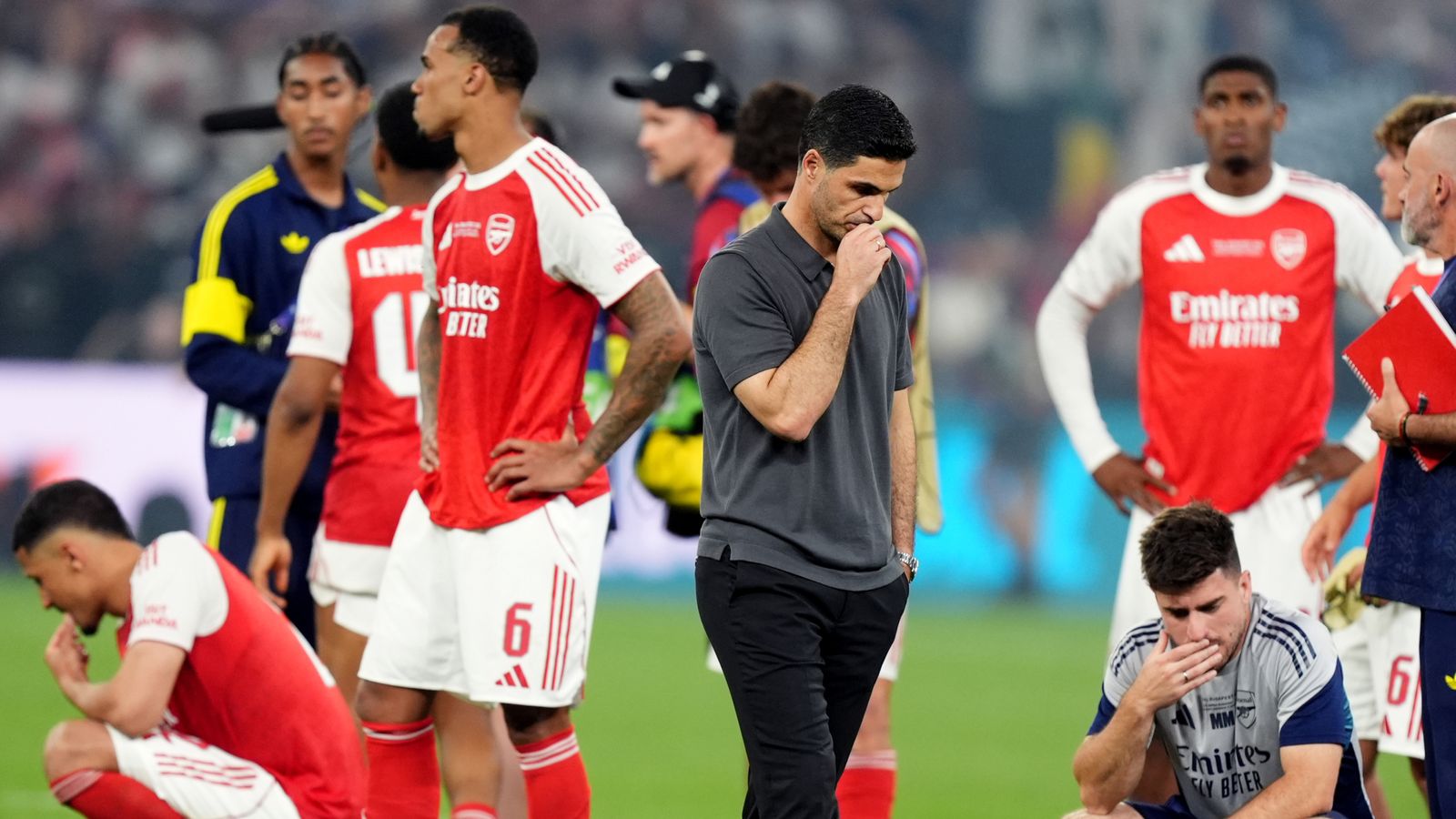
The dust has barely settled on the Champions League knockout phase, but the narrative at London Colney is already shifting. Losing to Paris Saint-Germain was more than a statistical anomaly; it served as a brutal check on the development of a squad that recently secured the Premier League title. Declan Rice has been vocal about the locker room response, noting that the disappointment of coming up short in Europe acts as a foundational motivation for the 2026/27 campaign. Intent, however, rarely converts into silverware without a radical adjustment in high-leverage moments.
Arsenal’s fundamental issue against PSG was not a lack of structure but a failure in spatial management during defensive transitions. Mikel Arteta’s insistence on a high line allowed the Parisian forward line to isolate central defenders, forcing Rice to cover an unsustainable amount of ground. Over the two legs, the midfield failed to break the 78% pass completion rate under pressure. This drop-off against elite European pressing units is the primary technical wall the club must climb if they intend to evolve beyond domestic dominance.
Tactical refinement over systemic overhaul
Watching Arsenal navigate the closing stages of the domestic season, the reliance on set-piece variance was clear. While dead-ball scenarios provide a high xG floor, they are a thin reed to lean on when the Champions League knockout stage demands creative solutions from open play. The squad requires a more dynamic attacking profile in the inside-left channel. Relying on individual brilliance to pull a goal back while trailing 2-0 is not a sustainable model for a side aiming to conquer the continent.
As reported by the Mirror, Rice is already framing the upcoming summer as a turning point. He speaks of a vow to return stronger, yet the physical toll of 60-plus match seasons is catching up with the core rotation. The 3.2 chances created per game average since April suggests fatigue is beginning to erode the precision of the final pass. Without a rotational pieces that can mimic the intensity of the starting XI, Arteta risks a mid-season dip similar to those that have plagued previous title hopefuls.
The reality of the 2026 mountain
Internal motivation is a powerful propellant, but Arsenal’s inability to close out the PSG tie remains the defining negative note of their season. It highlights a recurring habit of over-committing to the attack when the defensive line is not properly reset. The club needs to demonstrate more game-state awareness, specifically in the 82nd minute and beyond, where recent lapses have invited unnecessary pressure and squandered leads.
The upcoming preseason will reveal if these tactical lessons have been internalized or if the team remains stuck in an cycle of brilliant football interrupted by tactical naivety. I predict Arsenal will struggle to replicate their Premier League points total if they do not diversify their build-up play to include more direct, vertical progression. They possess the talent to beat anyone, but until they learn to win ugly in hostile European environments, they remain a tier below Europe's absolute apex. Expect a domestic trophy defense, but further frustration in the early stages of the next European tournament unless the personnel configuration sees a shift in the final third.
Read Next
- Arsenal face defensive crisis after Champions League final injury fallout
- Arsenal aren't broken, but Budapest proved they are missing a killer instinct
- Arsenal's trophy parade is the most chaotic consolation prize in football
- Arsenal fans are still losing their minds over Arteta's penalty order
- ⭐ UCL 2026 — Champions League Quarter-Finals Hub