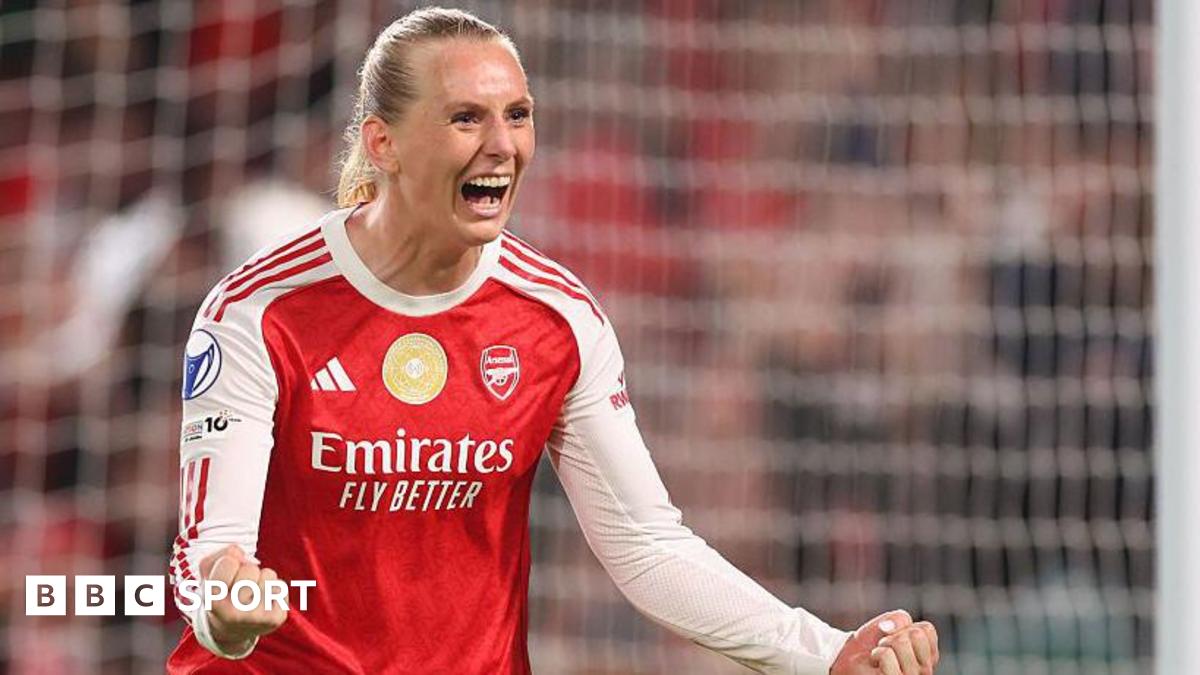
The Champions League bridge to the Emirates
Kai Havertz arrives at Saturday’s Champions League final with a singular, proven CV entry: he scored the only goal of the 2021 final for Chelsea against Manchester City. As reported by the Mirror, Havertz is actively positioning his previous success as a blueprint for Arsenal’s first-ever pursuit of the trophy. History, however, rarely repeats itself without technical adjustments at the pivot point.
Dissecting the 2021 tactical footprint
In that 2021 final, Thomas Tuchel’s Chelsea relied on a 3-4-2-1 that stifled City’s central progression. Havertz operated as a roaming false nine, constantly dragging Ruben Dias out of the defensive line to create space for Mason Mount’s diagonal runs. His winning goal in the 42nd minute came from a perfectly timed vertical leap to latch onto Mount’s through ball.
Arsenal’s current setup under Mikel Arteta utilizes a more rigid 4-3-3 compared to that fluid Chelsea iteration. Havertz has evolved from the primary creative operator into a target man who leads with physicality. His profile as an aerial threat is undeniable, but it presents a different tactical puzzle for Luis Enrique’s PSG to solve.
The PSG defensive filter
PSG enter this match having conceded precisely 0.88 goals per game in their domestic campaign. Their defensive block is predicated on quick transitions from a 4-3-3 into a compact 4-1-4-1. The critical weakness in this structure is the space behind their aggressive high line when Vitinha pushes forward from the base of the midfield.
If Arsenal look to repeat the Chelsea 2021 approach, they must exploit that exact pocket. Havertz currently averages a 74% pass completion rate in the final third, a figure that must likely climb above 82% to penetrate a PSG side that allows just 9.4 shots per match to opponents. If the passing chemistry between Martin Odegaard and Havertz remains stagnant, Arsenal will struggle to bridge the distance.
The hidden attrition of the high line
A surprising statistical trend emerges when analyzing PSG’s progression map this season. They permit the fewest long balls per 90 minutes in Ligue 1, which correlates with their desire to keep the ball within the middle third. Arsenal’s reliance on long balls—averaging 48 per match—is a stylistic mismatch that could lead to frustrated turnovers.
Arteta has improved Arsenal’s defensive shape, yet they remain vulnerable on the break when their fullbacks invert. In their most recent European tie, Arsenal allowed 1.4 xG against, a number higher than their seasonal average of 0.9. If they maintain this defensive looseness against a PSG front line that exploits transitions via Ousmane Dembele, the 2021 tactical formula might be obsolete by halftime.
The pressure on Havertz is not merely about history, but about his ability to transition between roles. He functions best when he is the secondary runner, yet Arsenal requires him to be the primary point of attack. His 0.45 goals per game average in European football implies he can be effective, but Saturday’s test against Paris Saint-Germain will demand a level of positional discipline that Arsenal have only shown in flashes during this campaign.
Read Next
- Arsenal and PSG are locked in a high-stakes standoff in Budapest
- Arsenal vs PSG: Why the Budapest final hinges on midfield control
- Arsenal vs PSG: Why the Gunners are setup to fail in Paris
- Arsenal face PSG in the Champions League final with history on the line
- 🇩🇪 Germany World Cup 2026 — Die Mannschaft Hub
- ⚽ Ligue 1 2025-26 — PSG, Monaco & the Title Race Hub
- ⭐ UCL 2026 — Champions League Quarter-Finals Hub