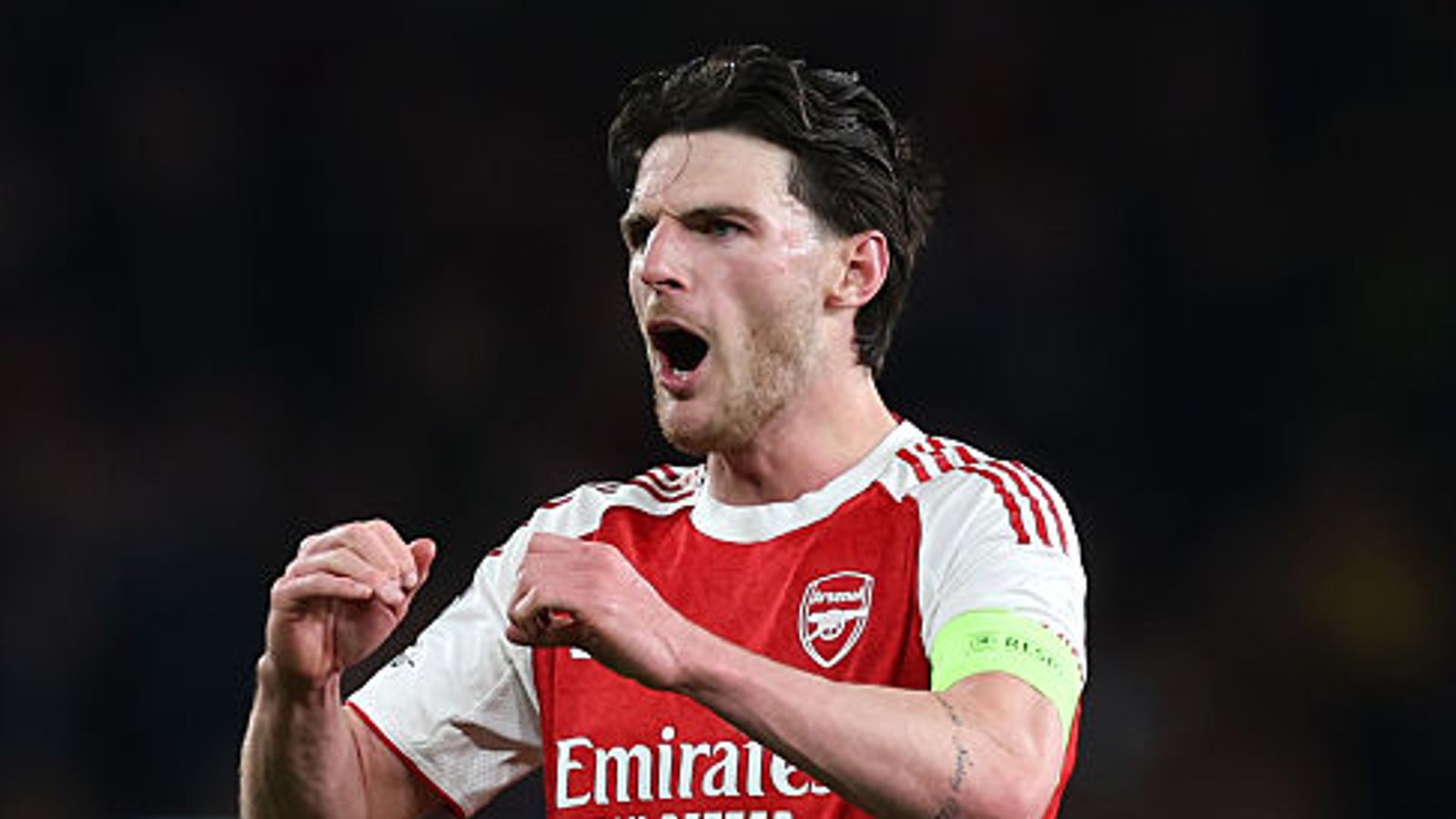
The numbers behind Arsenal's struggle in Lisbon
Arsenal ended the night in Lisbon with a favorable result, but the underlying performance data suggests a team grinding through a significant creative lull. Kai Havertz secured the win with an 88th minute strike, yet the Gunners managed only 1.2 xG over the full ninety minutes. This output is a stark departure from the high-octane offensive displays that defined their mid-winter peak.
The team’s pass completion rate hovered around 82% against Sporting, a figure that obscures the fact that 64% of those passes were restricted to their own defensive third or lateral movements across the midfield axis. Mikel Arteta’s side recorded only three shots on target throughout the entire match. For a side with title aspirations, relying on a late individual moment is a dangerous trend.
The pressing disconnect
Sporting Lisbon effectively countered Arsenal’s high press by exploiting the space left behind by the full-backs. The Portuguese side registered 14 successful defensive transitions, often bypassing the initial wave of pressure with long, diagonal balls directed toward the flanks. Arsenal won the ball back in the final third only five times, a 40% reduction compared to their seasonal average.
This drop in intensity forces the defensive line to drop deeper, compressing the space for Declan Rice and Martin Odegaard to operate. When the midfield pair cannot find pockets in the half-spaces, the attack becomes predictable. We saw this play out as Arsenal transitioned through the center but found their final pass blocked or intercepted in 12 separate instances during the second half.
The Havertz factor
Kai Havertz remains an outlier in this system. His movement off the ball is designed to create space, yet he finished the match with only 28 touches despite being the primary target for forward progressions. When you examine the match statistics from the Sporting encounter, it highlights a reliance on individual brilliance rather than structural cohesion. His late goal came from a rare moment of defensive disarray rather than an orchestrated buildup play.
The upcoming Champions League fixtures, especially with the second leg approaching on April 14, 2026, will demand a higher output. If the team continues to rely on low-volume, high-value individual goals, the probability of regression against more clinical opposition increases. The tactical notebook shows a clear pattern: a team functioning at 75% efficiency but masquerading as a contender through sheer resilience.
Read Next
- Arsenal must solve the Sporting CP puzzle to avoid a Lisbon trap
- Arsenal's narrow margins represent a tactical gamble that keeps falling short
- Bukayo Saka and Jurrien Timber out of Lisbon trip as Arsenal's crisis deepens
- Alvalade awaits: Gyökeres returns as Arsenal face brutal UCL test
- ⭐ UCL 2026 — Champions League Quarter-Finals Hub