The road to the final
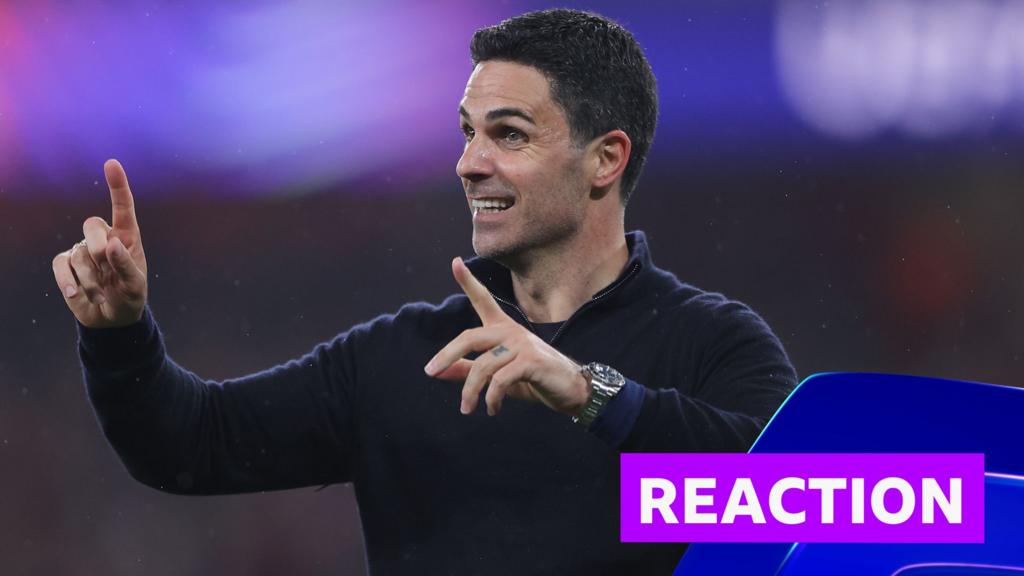
Arsenal secured their passage to the Champions League final for the first time in two decades following a 1-0 victory over Atletico Madrid on Monday. A decisive goal from Bukayo Saka sealed a 2-1 aggregate win, effectively ending the Spanish side's resistance in a tense semi-final second leg at the Emirates. The result keeps Mikel Arteta’s pursuit of a historic double alive with the club also holding a lead in the Premier League race.
The match was defined by drama both on and off the pitch. Before kickoff, Atletico Madrid filed a formal complaint with UEFA after local supporters set off fireworks outside their team hotel overnight. The disruption provided a hostile backdrop to what was already a high-stakes fixture, leaving the visitors agitated and complaining of a 'nightmare' preparation process.
Tactical gambles and personnel choices
Arteta sparked pre-game debate by benching captain Martin Odegaard in favor of Eberechi Eze. The decision appeared risky, but it shifted the offensive rhythm in a way that ultimately favored the hosts. Even more surprising was the inclusion of Myles Lewis-Skelly in midfield ahead of Martin Zubimendi, a selection that reportedly mirrored advice from former club icon Thierry Henry. The youngster’s presence provided the defensive cover necessary to neutralize Atletico’s counter-attacks.
Not everyone was convinced by the collective performance that pushed the Gunners through. While Alan Shearer praised the team for an 'exceptional' result, former striker Michael Owen wasn't as generous with his assessment. Owen expressed reservations regarding a specific £60million summer arrival, suggesting their impact fluctuated wildly across the 90 minutes. It serves as a reminder that even as Arsenal reach heights unseen since 2006, individual consistency remains a point of contention.
Refereeing friction and the road ahead
The match was not without controversy. Atletico Madrid players expressed clear frustration with off-field officiating, specifically regarding two penalty shouts that were dismissed after VAR interventions. The complaints highlighted that while the result is in the books, the standard of review continues to plague European nights. Atletico now departs London with heavy skepticism regarding the consistency of the decision-making process at this stage of the tournament.
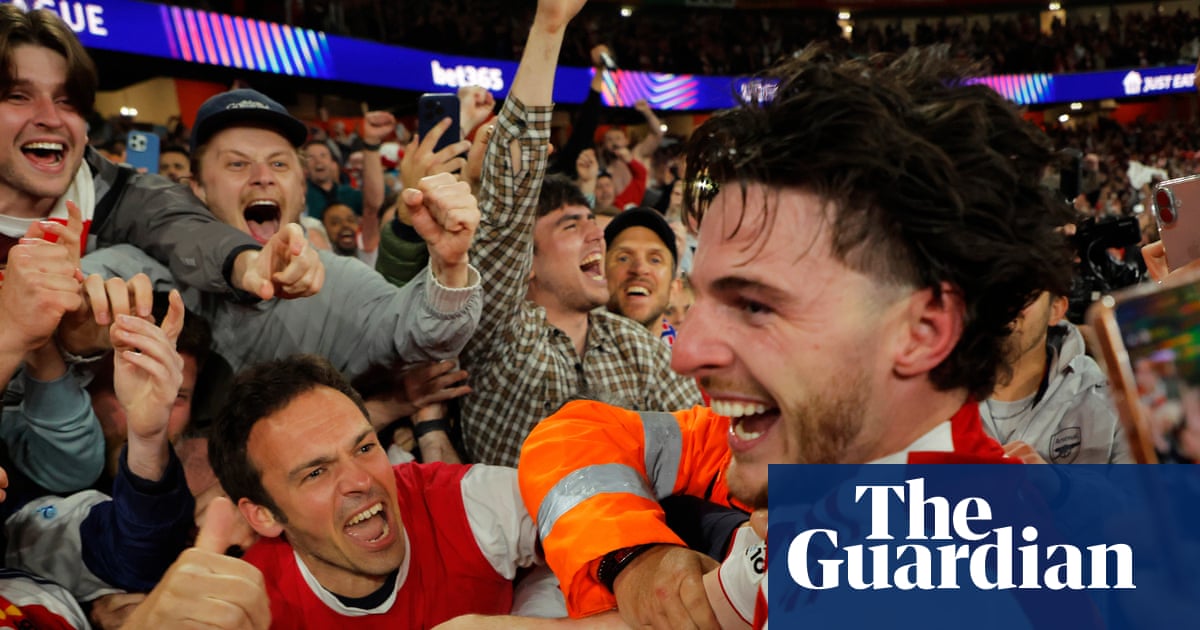
The Emirates turned the flights of steps at the front of the stadium into an impersonation of the old terraces on which another generation of Arsenal fans once stood.
With the win, Arsenal now turns its attention to the final scheduled for later this month. They await the winner of the remaining semi-final between Bayern Munich and PSG to determine their European destiny. Arteta’s squad has effectively forced a change in the club's continental identity, shedding the ghosts of past failures to position themselves as the side to beat. The focus now shifts to whether this high-intensity core can maintain their physical output through the final weeks of the campaign.
The broader picture
The club enters this final period as heavy favorites to secure the domestic league title, adding an unusual amount of pressure to a squad that has spent the last decade in the doldrums of European competition. The tactical evolution under Arteta has been clear, moving away from past reliance on static possession and toward a fluid, high-pressing setup that thrives in knockout scenarios. Having navigated the Atletico test, the team has proven they can handle the psychological strain of a deep run.
The criticism regarding squad depth persists, however. Critics note that the heavy reliance on a select group of starters could lead to burnout if the intensity remains at this level. The gamble on personnel like Lewis-Skelly suggests Arteta is willing to burn through his depth chart, but it leaves thin margins for error in the remaining matches. The final in late May provides a singular opportunity to validate a project that has been under construction for years.
Read Next
- Arsenal finally shed their European baggage ahead of the UCL final
- How Arsenal suffocated Atletico to end a 20-year Champions League wait
- Arsenal face the defining 90 minutes of the Arteta era
- Arsenal supporters are losing their collective minds at the Emirates
- 🏆 UCL Final 2026 — Munich May 28 — Full Coverage Hub