Exorcising the ghost of European failures
For years, Arsenal in the Champions League was a predictable, agonizing script. A naive high line, a sudden structural collapse, and a sheepish exit in the knockout stages.
We all remember the Bayern Munich thrashings. We remember the distinct lack of midfield grit when facing European royalty. That narrative officially died on Tuesday night at the Emirates.
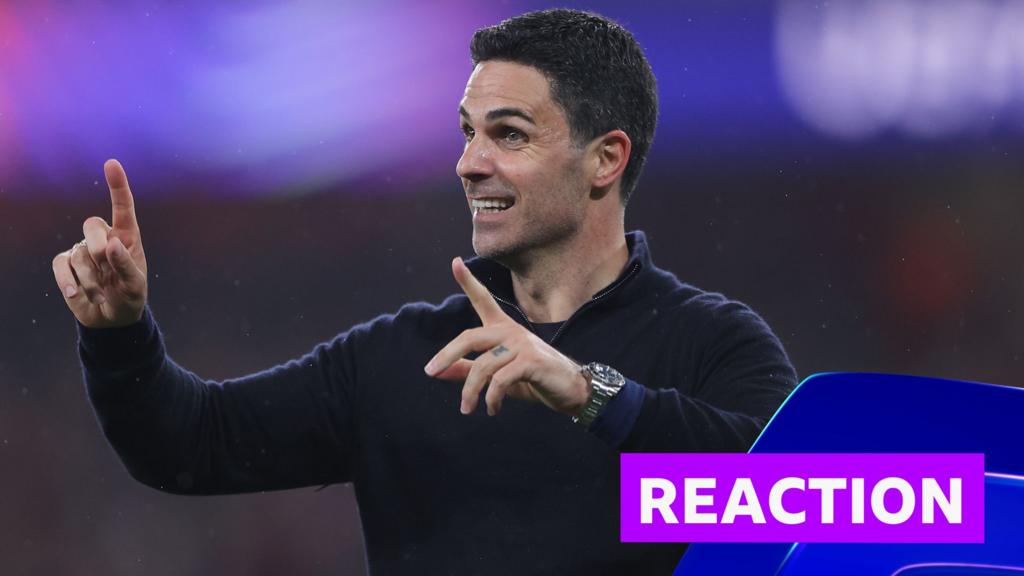
Mikel Arteta has spent the better part of five years rewiring this football club. We have seen the domestic progress over the last three seasons. We have seen the sustained title challenges.
But Europe always felt like the final frontier. It was a psychological barrier that this young squad couldn't quite scale. They lacked the street smarts.
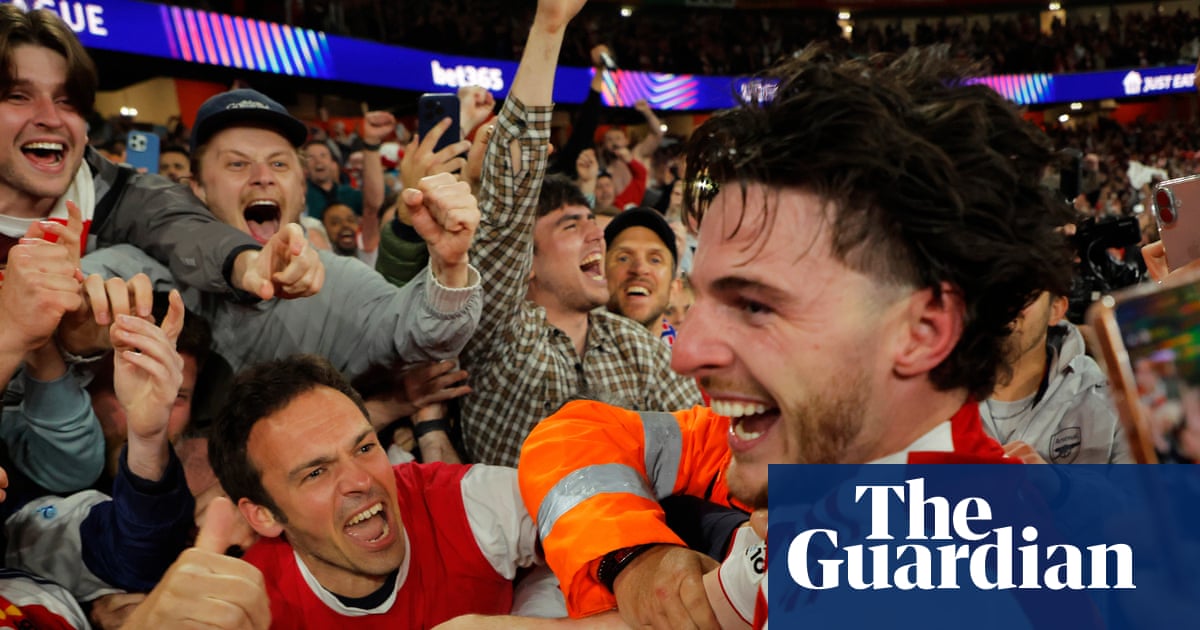
As The Guardian noted in the aftermath, the gnawing fear of failure is finally starting to fall away. The newly found belief has carried them into the biggest match in club football.
"There is a tide in the affairs of men which, taken at the flood, leads on to fortune. Arsenal, having failed to capitalise on so many opportunities over the past few years, have suddenly and noticeably seized theirs."
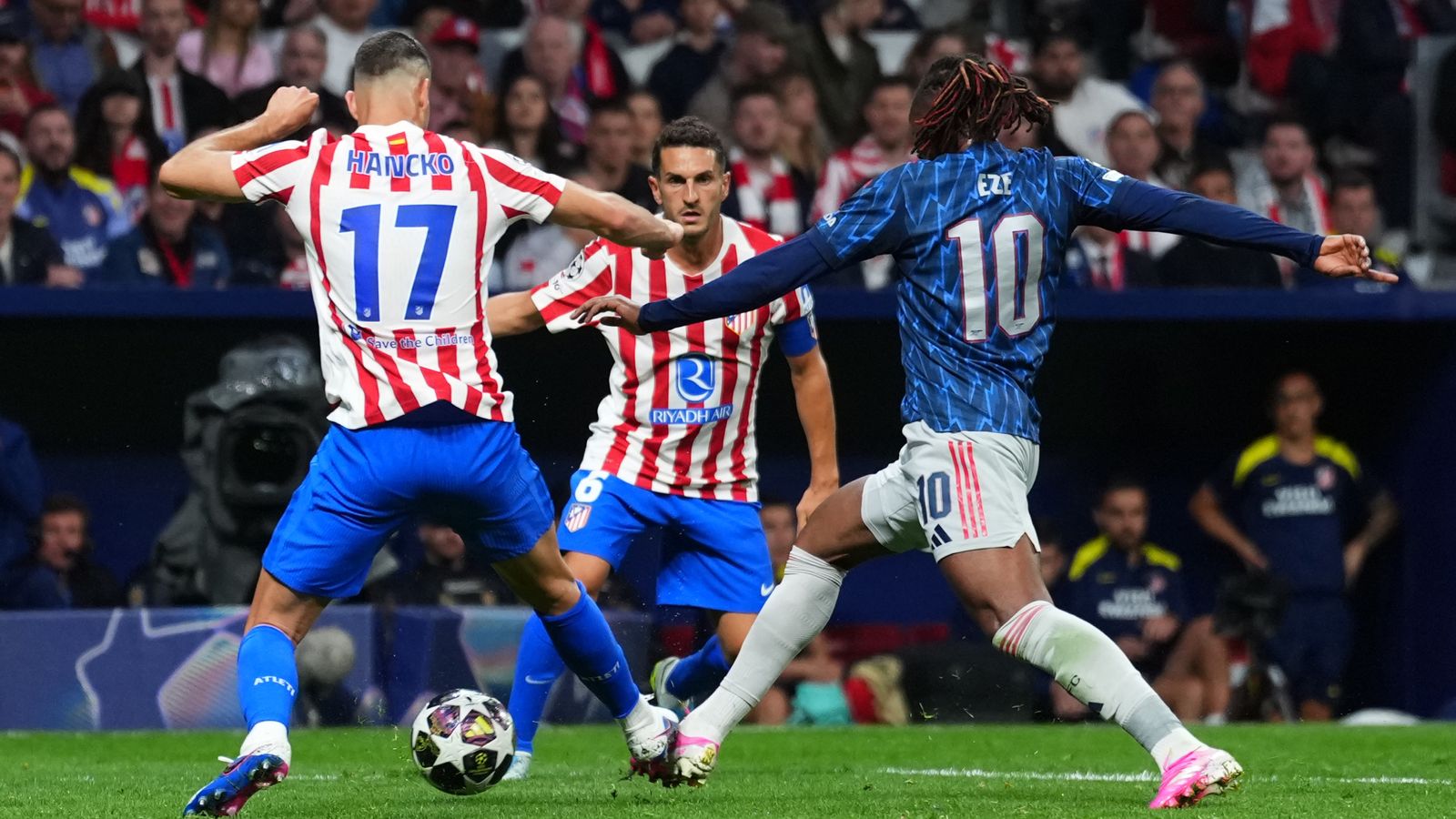
Beating Diego Simeone’s Atletico Madrid across two legs requires more than just technical superiority. It demands a level of dark arts proficiency and emotional control that Arsenal simply did not possess 24 months ago.
They didn't just survive the tie. They managed it with a cold, calculating precision.
The tactical shift against Simeone
Atletico came to London looking to drag the game into the mud. They sat in their trademark low 5-3-2 block, denying central progression and waiting to spring on the counter.
In previous seasons, Arsenal would have passed the ball in sterile U-shapes around the penalty area before inevitably conceding from a set-piece or a quick transition.
Arteta adjusted his pressing triggers for this specific matchup. Instead of committing both fullbacks high, he kept Ben White inverted and tucked in.
This formed a rigid 3-2 rest-defense structure alongside Declan Rice. This completely nullified Atletico's transition threat through the middle.
When Atletico tried to bypass the press with long, diagonal balls, William Saliba and Gabriel Magalhaes were stepping up aggressively. Saliba won 100% of his aerial duels in the second half.
He wasn't just defending his box; he was suffocating the opposition on the halfway line. It is that high line execution that keeps Arsenal pinned in the attacking half.
It was a masterclass in risk management. Arsenal maintained over 65 percent possession, but their passing network showed a clear bias towards the half-spaces rather than the flanks.
Martin Odegaard was operating slightly deeper than usual. He intentionally drew Atletico's midfield trio out of their compact shape to create pockets for Kai Havertz.
Declan Rice and the engine room
You cannot analyze this European run without highlighting Declan Rice. He is the tactical floor that allows Arteta's attacking patterns to function.
His positioning against Atletico was flawless. He acted as a pendulum that swung possession from left to right while extinguishing fires before they started.
Notice how often Rice drops into the left half-space when Arsenal are building up from the back. This movement drags an opposition midfielder with him.
It opens a passing lane straight into the feet of Havertz or Leandro Trossard. It is a subtle rotation, but it consistently breaks defensive lines.
But it wasn't a flawless performance. Arsenal still struggle with game state management when leading by a single goal. Between the 70th and 80th minute on Tuesday, they dropped inexplicably deep.
They invited pressure rather than killing the game with the ball. A better side than this aging Atletico outfit might have punished them severely for retreating into their own penalty area.
Vulnerabilities on the left
There is also a lingering vulnerability on the left side of the defense. Whether Arteta uses Oleksandr Zinchenko or Jakub Kiwior, the opposition always targets that flank.
Zinchenko gives you elite progression but leaves acres of space behind. Kiwior is solid in the air but panics under an aggressive high press.
This is a glaring flaw. Elite opposition will absolutely try to isolate their wingers against Arsenal's left-back on May 28.
If Arteta opts for Kiwior, the build-up play suffers. If he opts for Zinchenko, the defensive transition becomes a massive liability. It is the one selection headache that could derail their European dreams.
The trigger of the press
Martin Odegaard is often praised for his vision and final-third passing, but his most important role in this Arsenal side is out of possession. He is the absolute trigger for Arteta's high press.
When Odegaard jumps to engage the opposition center-back, the entire team shifts in unison. Against Atletico, his work rate was phenomenal.
He repeatedly angled his pressing runs to block the passing lane to Koke, forcing Atletico to play long into areas where Saliba was waiting. It is a highly coordinated trap.
Odegaard sacrifices his own attacking positioning to ensure the defensive structure remains intact. This level of selfless running from a traditional number ten is practically unheard of.
It is the tactical foundation that allows Arsenal to sustain pressure high up the pitch. If Odegaard is late to jump, the entire press collapses. Fortunately for Arteta, the Norwegian is rarely late.
The evolution of Bukayo Saka
Bukayo Saka is no longer just a dynamic winger. He is a primary playmaker operating from the right touchline. Against Atletico, he was frequently double-teamed.
Simeone clearly identified him as the primary creative hub. They kicked him, they pulled him, they tried to frustrate him constantly.
Instead of forcing low-percentage dribbles, Saka adapted intelligently. He used the overlapping runs of White as a decoy.
He repeatedly cut inside to deliver inswinging crosses or found Odegaard arriving late at the edge of the box. His expected assists (xA) numbers are off the charts for a wide player.
His decision-making in the final third has matured significantly. He knows exactly when to slow the game down and when to accelerate the tempo.
That level of tactical intelligence is rare for a player his age. It is exactly what you need in tense, knockout European football where space is at a premium.
David Raya's sweeping dominance
David Raya also deserves immense credit for Arsenal's defensive stability. His sweeping action outside the box prevents counter-attacks before they materialize.
More importantly, his distribution allows Arsenal to beat the first line of the press with a single clipped pass.
He has entirely justified Arteta's ruthless decision to replace Aaron Ramsdale. Raya completed nearly 85 percent of his long passes against Atletico.
When you can bypass a high press that accurately, you completely alter the opposition's defensive strategy.
Kai Havertz has also been instrumental as the focal point of the attack. He doesn't dominate the ball, but his off-ball movement is elite.
He pins opposition center-backs, creating the necessary space for Trossard and Saka to operate in the half-spaces. Havertz does the unglamorous tactical work that makes the entire system tick.
Looking ahead to May 28
Now, the focus shifts to the final on May 28. The Champions League final is a different beast entirely.
It is a neutral venue, a massive global audience, and the crushing weight of history. Arsenal have only been here once before, in 2006. The scars of Paris still linger for the fanbase.
Arsenal will head to this final with genuine belief. They have navigated the tactical traps of the knockout stages. They have proven they can win ugly.
They have demonstrated a tactical flexibility that makes them incredibly difficult to prepare for. They can suffocate you with possession, or they can sit in a mid-block and hit you in transition.
The key battles that will decide the final are already clear:
- Arsenal's left-back isolation versus elite wide attackers.
- Declan Rice's ability to manage defensive transitions alone when the fullbacks invert.
- Bukayo Saka's 1v1 success rate against a low block.
- The effectiveness of Arsenal's aggressive high line against pace in behind.
The key will be how they handle the sheer scale of the occasion. We have seen technically superior teams freeze in their first final.
Arteta will need to ensure his players treat it as just another 90 minutes of football. That sounds impossible given the immense stakes involved.
The spacing in the midfield will be absolutely vital. In previous high-stakes matches, Arsenal's midfield trio has sometimes become disconnected under pressure.
Odegaard pushes too high, Rice drops too deep to receive the ball, and a massive chasm opens up in the center of the pitch. They cannot afford to lose that central compactness.
The final hurdle
This squad has grown up together. They have endured the painful lessons of the past few seasons. The near misses and late-season collapses in the Premier League have forged a collective resilience.
That psychological growth is now paying massive dividends in Europe. They know how to suffer as a defensive unit.
Arteta has built a machine that is finally equipped for the highest level. The high pressing is brilliantly coordinated.
The build-up play is methodical, and the defensive structure is the best in Europe. They are no longer the naive, fragile Arsenal of the late Wenger or Emery eras.
But a Champions League final is decided by razor-thin margins. A single positional mistake, a brief lapse in concentration on a set-piece, or a moment of individual brilliance can swing the entire tie.
Arsenal will need to execute their game plan flawlessly from the first whistle to the last.
If they can maintain their structural discipline and impose their pressing game early on, they have the tactical tools to beat anyone in world football.
The historical fear of failure is gone. The underlying numbers are elite. The belief is undeniably there. Now, they just have to finish the job.
Prediction
This Arsenal team feels fundamentally different from the ones that came before. They possess a defensive solidity that gives them a rock-solid foundation in every single game.
They don't need to score three goals to win football matches anymore. I expect a tense, highly tactical final with very few clear-cut chances.
Arsenal will control the tempo, restrict the opposition's attacking transitions, and find a decisive breakthrough late in the second half from a set-piece. Arsenal to win 1-0 and finally lift the European Cup.
Read Next
- How Arsenal suffocated Atletico to end a 20-year Champions League wait
- Arsenal face the defining 90 minutes of the Arteta era
- Arsenal vs Atletico Madrid: The tactical wall meets the unstoppable force
- Arsenal and Atleti locked in a tense Champions League semi-final
- 🏆 UCL Final 2026 — Munich May 28 — Full Coverage Hub