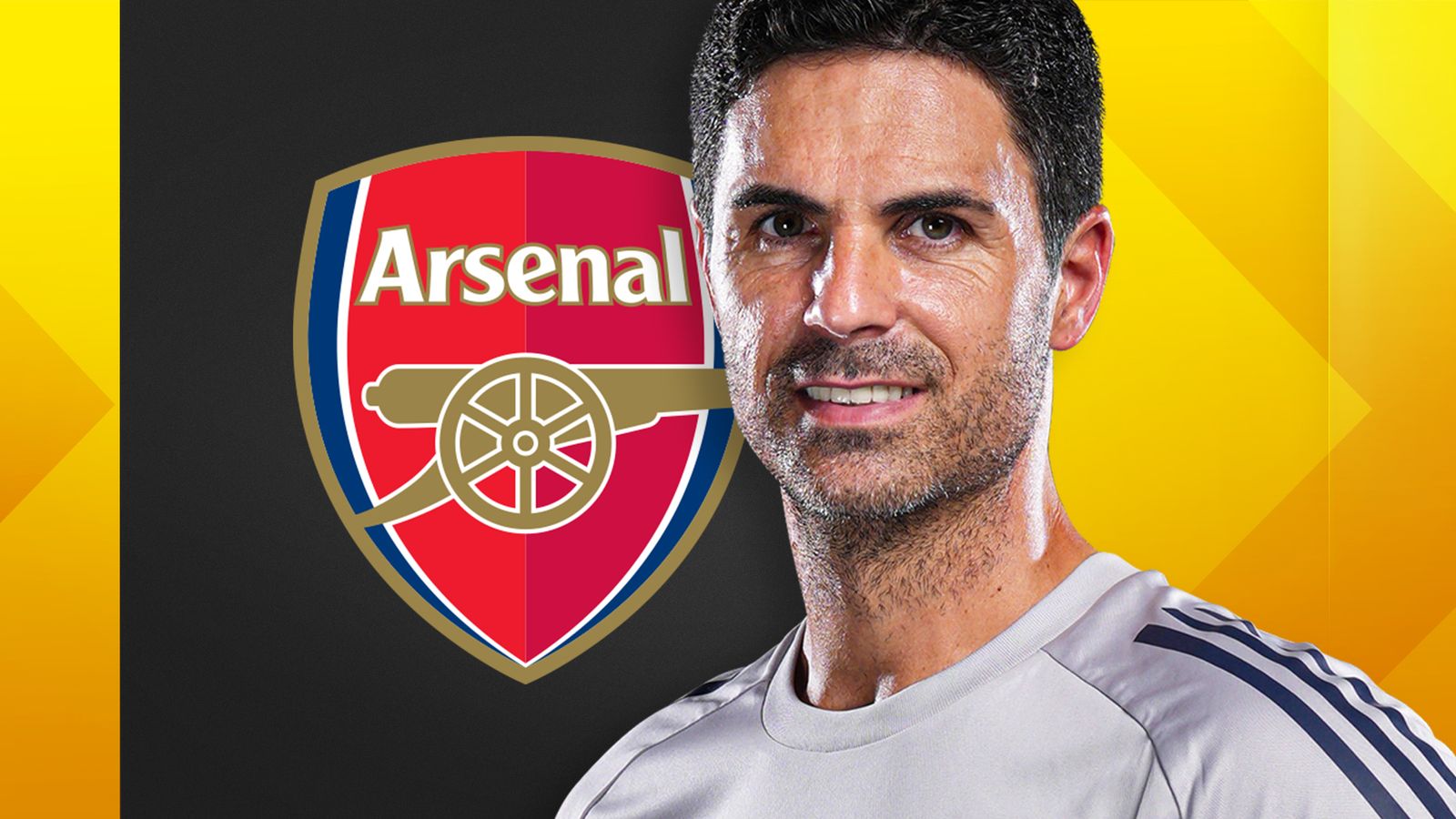
Tactical friction in North London
Tomorrow marks the return of the Champions League quarter-finals, and all eyes turn to the Emirates. Arsenal host Bayern Munich in a fixture that dictates the early narrative of the European spring. Mikel Arteta has spent eighteen months building a defensive unit specifically designed to neutralize transition-heavy sides. The Gunners have allowed only 0.72 expected goals against per 90 in the Premier League this season, a statistical floor that makes them incredibly difficult to break down.
Bayern arrives amidst a transitionary domestic campaign. They lack the ruthless domestic cushion of previous years, yet they possess a unique volatility in continental play. Harry Kane’s return to North London provides the obvious headline, but the granular concern for Arsenal lies in the channels behind their inverted fullbacks. If Joshua Kimmich finds space to ping diagonals into the path of Leroy Sane, Arsenal’s backline will be forced out of their compact defensive block.
The shadow of grief
Professional football is often consumed by pre-match noise, but the sport maintains a heavy reality beyond the pitch. News of the devastating loss of young player Ismael Pistis reminds fans that the game is a community institution first. While the action at the Emirates will be intense, the tragedy within the Italian youth ranks provides an uncomfortable perspective on the stakes of our entertainment. It is a sobering detail that pulls us back from the hyperbole of pre-match analysis.
Coming back to the pitch, Arsenal’s pressing structure has shown signs of fatigue in recent weeks. They are winning matches, but the physical output required to sustain their 4-3-3 shape is demanding a high metabolic toll on Declan Rice. If Bayern rotates the ball quickly through Jamal Musiala, they can force the midfielders into a horizontal scramble. This is where Arteta’s side has been caught out before; they occasionally overcommit on the high press, leaving the defensive pivot exposed in isolation.
Predicting the Emirates opener
Bayern’s defensive transition remains their biggest liability. Their center-backs are comfortable on the ball but lack elite recovery pace when caught vertically. Bukayo Saka will look to isolate his marker early, testing the commitment of the Bayern defensive support. If Arsenal keeps the ball on the ground and restricts the game to the middle third, they win this leg.
I expect a measured start followed by a high-intensity second half. Bayern will likely concede space in wide areas to protect the center, hoping to bridge the gap with individual brilliance from the wings. It will not be enough. Arsenal’s current defensive structure is too cohesive to be dismantled in ninety minutes by a side still finding its rhythm. The final score will be 2-1 to the home team, setting up a brutal return leg in Germany.