The £5.6 Million Per Goal Problem
When Arsenal paid Manchester City £45 million for Gabriel Jesus in 2022, the expectation was that they had finally acquired a title-winning number nine. Two years later, the numbers tell a different story. With just 8 league goals this season, the cost of each of Jesus's strikes works out to a staggering £5.6 million. It's a return on investment that has failed to close the gap on Manchester City, and it frames the club's entire summer transfer strategy.
The Brazilian's value was never just about raw numbers; his link-up play and pressing are elite. But championship-winning sides are built on clinical finishing, an area where Arsenal have been found wanting in key moments. While Kai Havertz has stepped up admirably with 12 goals and 6 assists, the fact remains that the club's two biggest attacking investments, totaling over £110 million, have not produced a single, reliable 20-goal-a-season striker.
A Midfield Miss and Compounding Costs
The search for efficiency extends beyond the front line. While Declan Rice has been a transformative signing, the midfield structure around him has been in flux. It makes the case of Amadou Onana, now at Everton, an interesting subplot. Arsenal showed interest before he moved to Goodison Park from Lille for a fee of around £35 million in 2022.
Onana's profile—a dominant, ball-winning presence who ranks in the top 15% of Premier League midfielders for aerial duels won—is exactly what the Gunners have sometimes lacked in physical contests. Reports, like one from the Mirror, now suggest Onana could be on the move to a rival, with his price tag potentially doubling. It's a classic transfer market lesson: the player you snub for a moderate fee yesterday often becomes the one you can't afford tomorrow.
This isn't just about one player. It's about the financial cascade effect. The funds that could have secured a player like Onana were directed elsewhere, and now the cost to acquire a striker to compensate for Jesus's goal tally will be astronomical. Top-tier forwards like Alexander Isak or Victor Osimhen are consistently valued at over £100 million. Arsenal's net spend over the last three seasons already sits north of £400 million; adding another nine-figure signing puts immense pressure on the model.
The Arteta-Edu Doctrine at a Crossroads
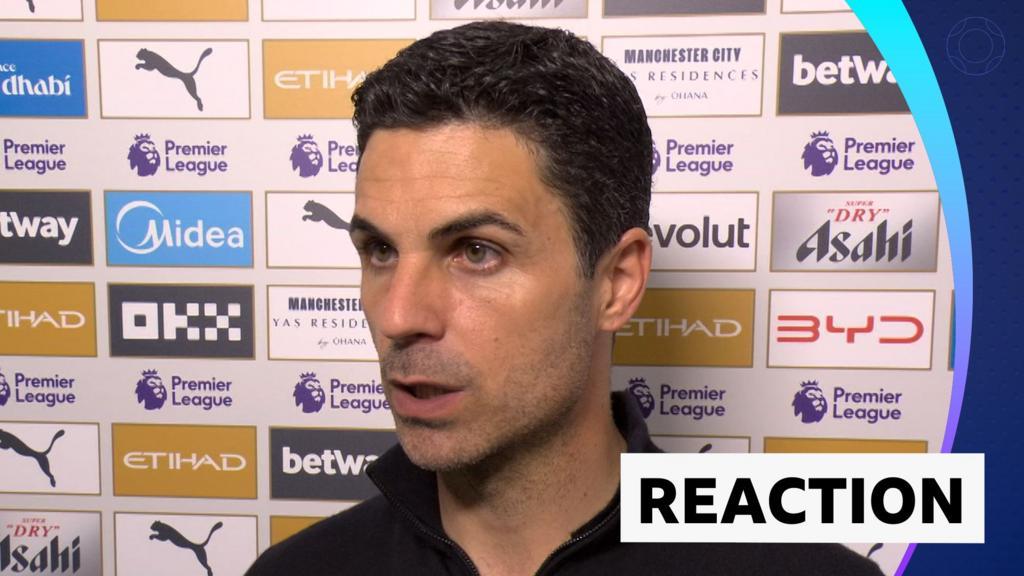
Mikel Arteta and Edu Gaspar have earned immense credit for their squad overhaul. They have raised the floor significantly, turning Arsenal from a top-four challenger into a legitimate title contender with 27 league wins and a remarkable +61 goal difference this campaign. Their defensive record, conceding just 28 goals, is the best in the division.
However, the final piece of the puzzle remains the most expensive and elusive. The decision-making this summer will be their toughest test yet. Ex-Arsenal striker Kevin Campbell's recent assertion that he believes Jesus will be sold this summer seems less like a hot take and more like a financial necessity. To justify a £100m+ outlay on a new forward, the club must first recoup funds.
The critical observation is that the club's strategy of signing two 'good' forwards in Jesus and Havertz, rather than one 'elite' one, has proven to be a costly half-measure. It was a gamble that secured Champions League football and pushed the title race, but it didn't deliver the ultimate prize. Now, they must go back to the market to solve the same problem, only this time the price has gone up for everyone.
Read Next
- Chelsea fans melt down as Mudryk's four-year ban ruins the masterplan
- Arsenal's summer transfer window hinges entirely on the Atletico tie
- Coventry City close in on Carl Rushworth despite Newcastle interest
- Top 10: The Wildest Football Moments of the Season So Far
- ⭐ UCL 2026 — Champions League Quarter-Finals Hub