The pursuit of a primary striker
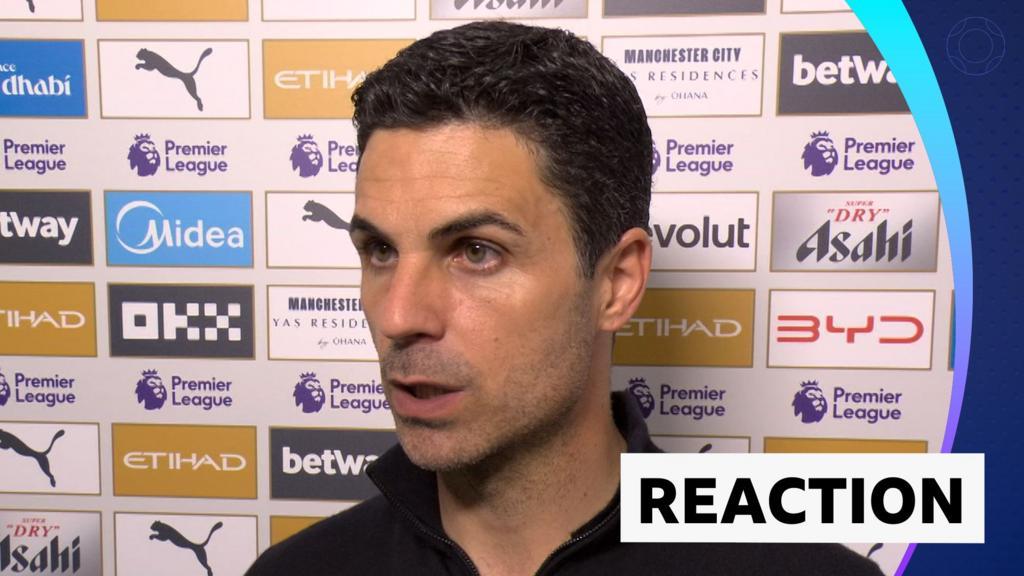
Arsenal's failure to capitalize on clear-cut opportunities at the Etihad Stadium against Manchester City has reignited the internal debate at the Emirates regarding their long-term striking solution. Mikel Arteta openly admitted post-match that his side created the best chances in the game, yet they registered zero goals. With Gabriel Jesus and Kai Havertz rotation options, sources suggest a Tier 2 push for a physical number nine is underway.
The profile being identified suggests a player capable of holding up play while maintaining the high-press tempo mandated by Artetaball. Viktor Gyokeres remains a name frequently circulated, though Sporting CP's insistence on a release clause creates a hurdle that few clubs are willing to clear in a single installment. Arsenal's tactical shift this season has increasingly relied on efficient transition phases, where the current personnel sometimes lack the predatory instinct required in high-stakes fixtures.
Tactical rigidity or lack of personnel?
Critics point to the lack of a plan B when high-intensity pressing games, like the loss to City, turn into defensive blocks. Arteta’s insistence on keeping a narrow front line often leaves the wide areas isolated unless Bukayo Saka or Gabriel Martinelli can produce moments of individual brilliance. When elite opposition effectively neutralizes those two, Arsenal runs out of viable alternatives to break the deadlock.
A deep dive into the match stats shows that the drop-off in output between the starting forward line and the bench remains a legitimate point of concern. The reliance on set-piece goals, as noted by recent BBC analysis, masks a broader issue of failing to score enough from open play in defining fixtures. Should they miss out on a marquee signing, the team risks another season of being the bridesmaid rather than the bride.
Financial constraints and market strategy
The wage budget at Arsenal is tightly managed, meaning any major arrival requires significant outgoing sales. Nketiah and Nelson are likely candidates to head for the exit door to free up space and provide amortization depth for incoming players. The club is acutely aware that competing with state-backed projects requires efficiency rather than sheer spending volume.
Competing clubs like Chelsea and Liverpool are expected to prioritize squad depth this summer, which may drive up prices for sought-after talent. Arsenal's recruitment team, led by Edu, must act before the European Championship kicks off on June 11, 2026, to avoid the usual post-tournament price surges. Negotiations are currently in the preliminary stages with agents, yet no formal bid has reached the desk of European directorates.
Probability assessment
The probability of a high-profile attacking arrival rests in the 60% range. While the necessity is widely acknowledged, Arsenal has shown an extreme aversion to panic-buying since the club's restructuring project began. If the right target is not available at a value-positive price point, the hierarchy will likely choose to stick with the internal development of current strikers.
The timeline for concrete movement is likely to emerge following the conclusion of the Champions League final on May 28, 2026. Expect rumors to intensify during that two-week gap between the domestic season ending and international preparations becoming the sole focus. Securing a elite forward could serve as the final piece of the puzzle, potentially adding a 15-20 goal buffer per season. Failure to address this specific weakness leaves the title charge susceptible to the same lapses seen in early April, effectively capping the ceiling of this current project.
Read Next
- Arsenal are finally ready to break the 4,109-day Etihad curse
- Why Arsenal's 4,109-day Etihad curse matters more than ever today
- Pep Guardiola has finally traded control for chaos in this title race
- Top 10: Moments That Defined the Arsenal-City Power Shift
- ⭐ UCL 2026 — Champions League Quarter-Finals Hub