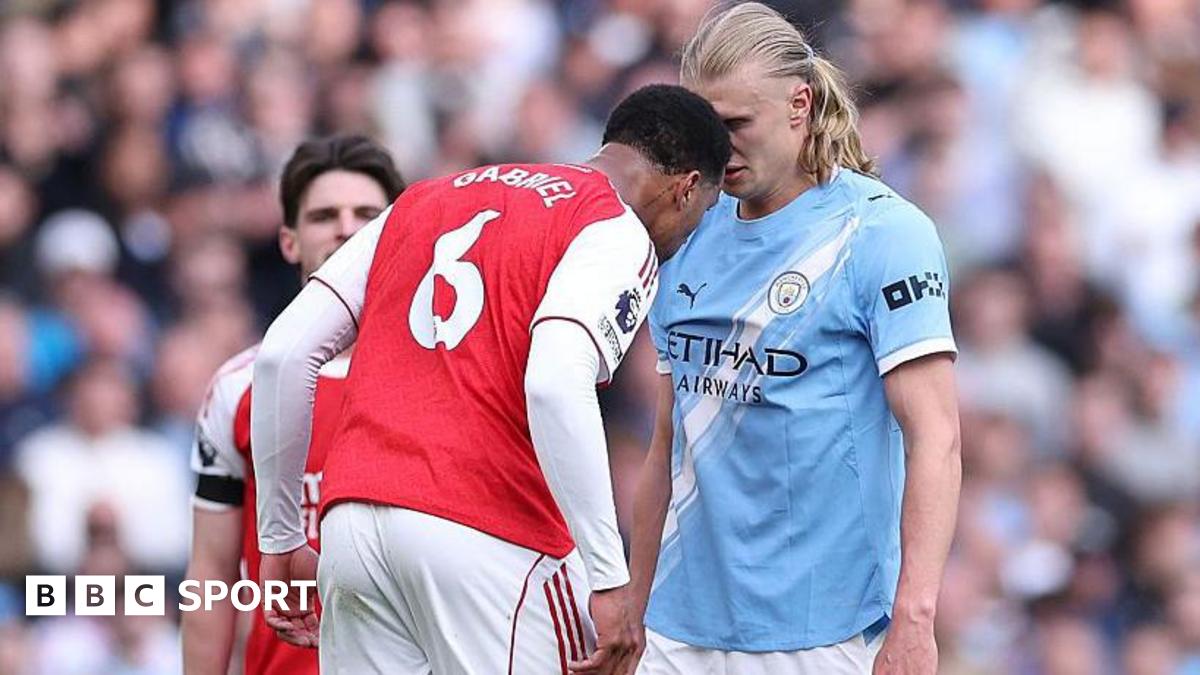
The Confrontation That Defined a Rivalry
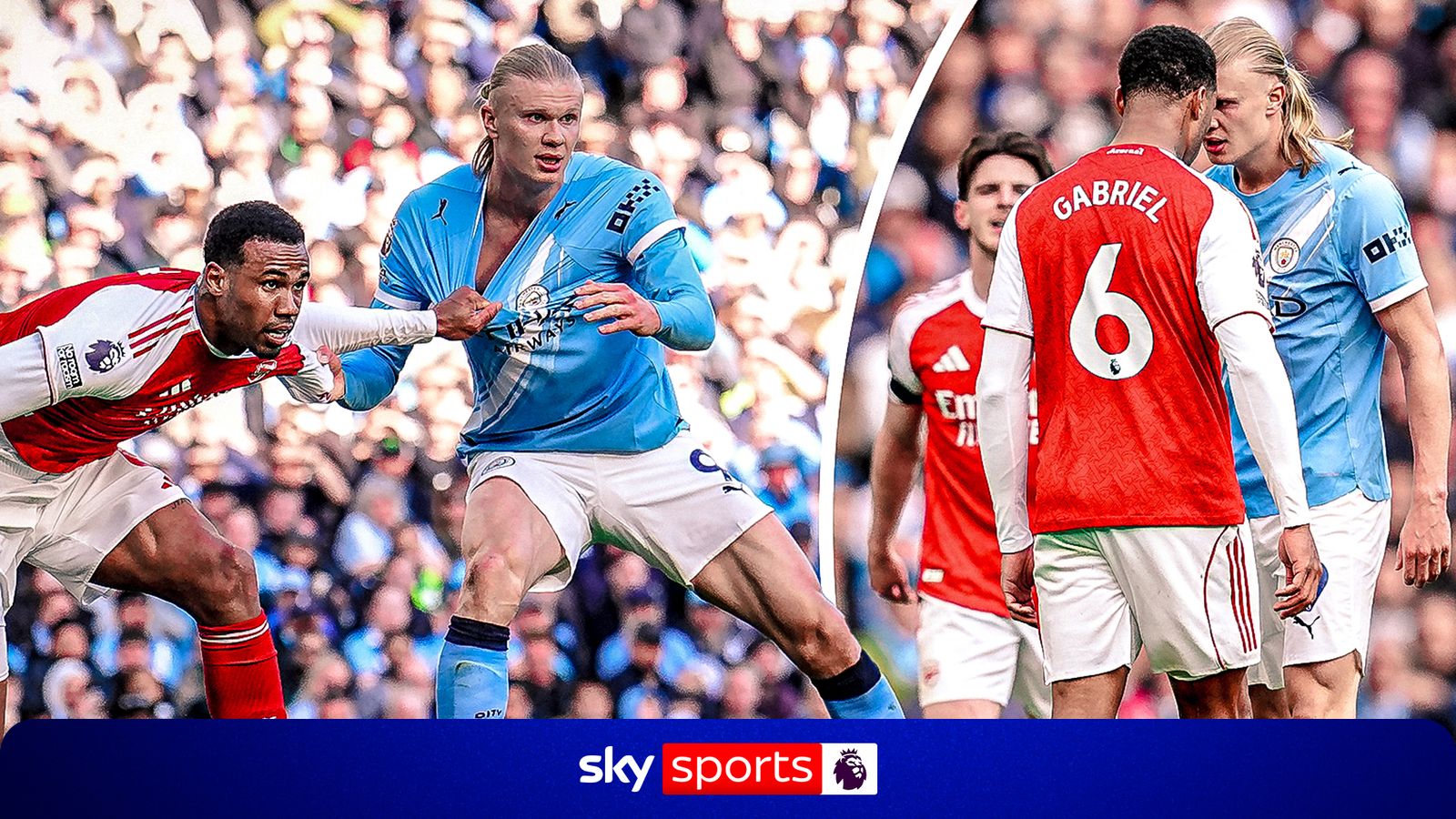
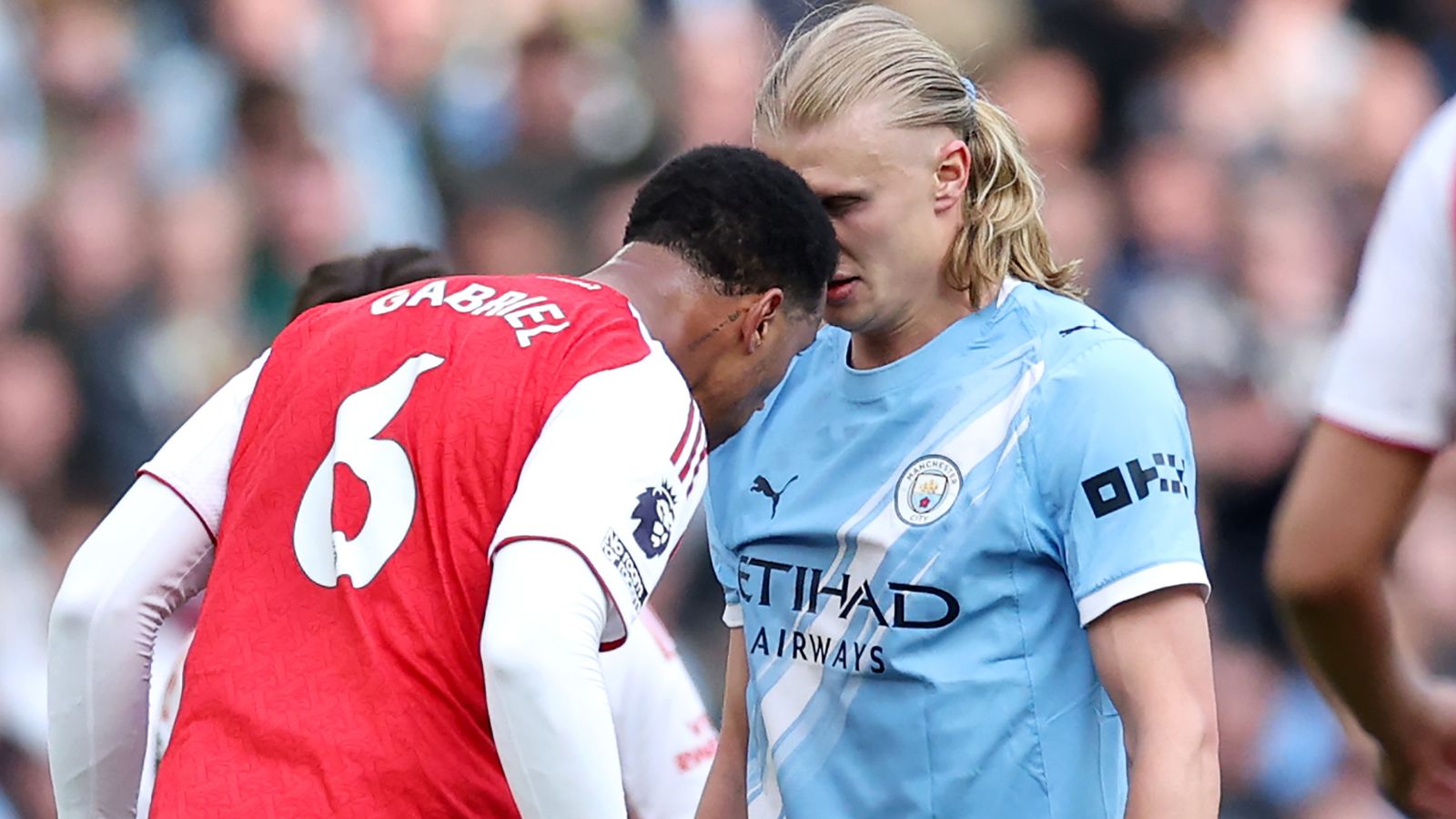
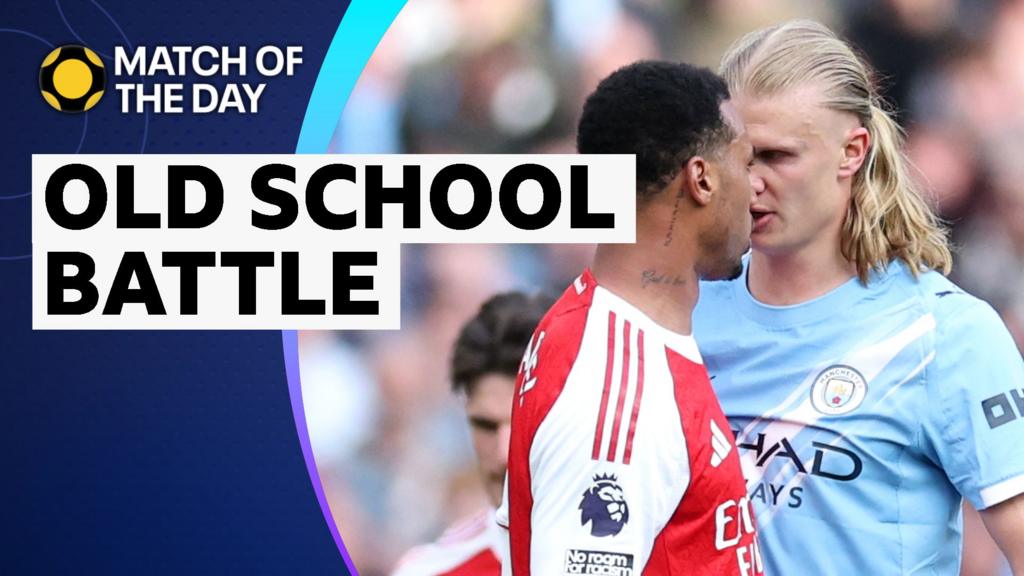
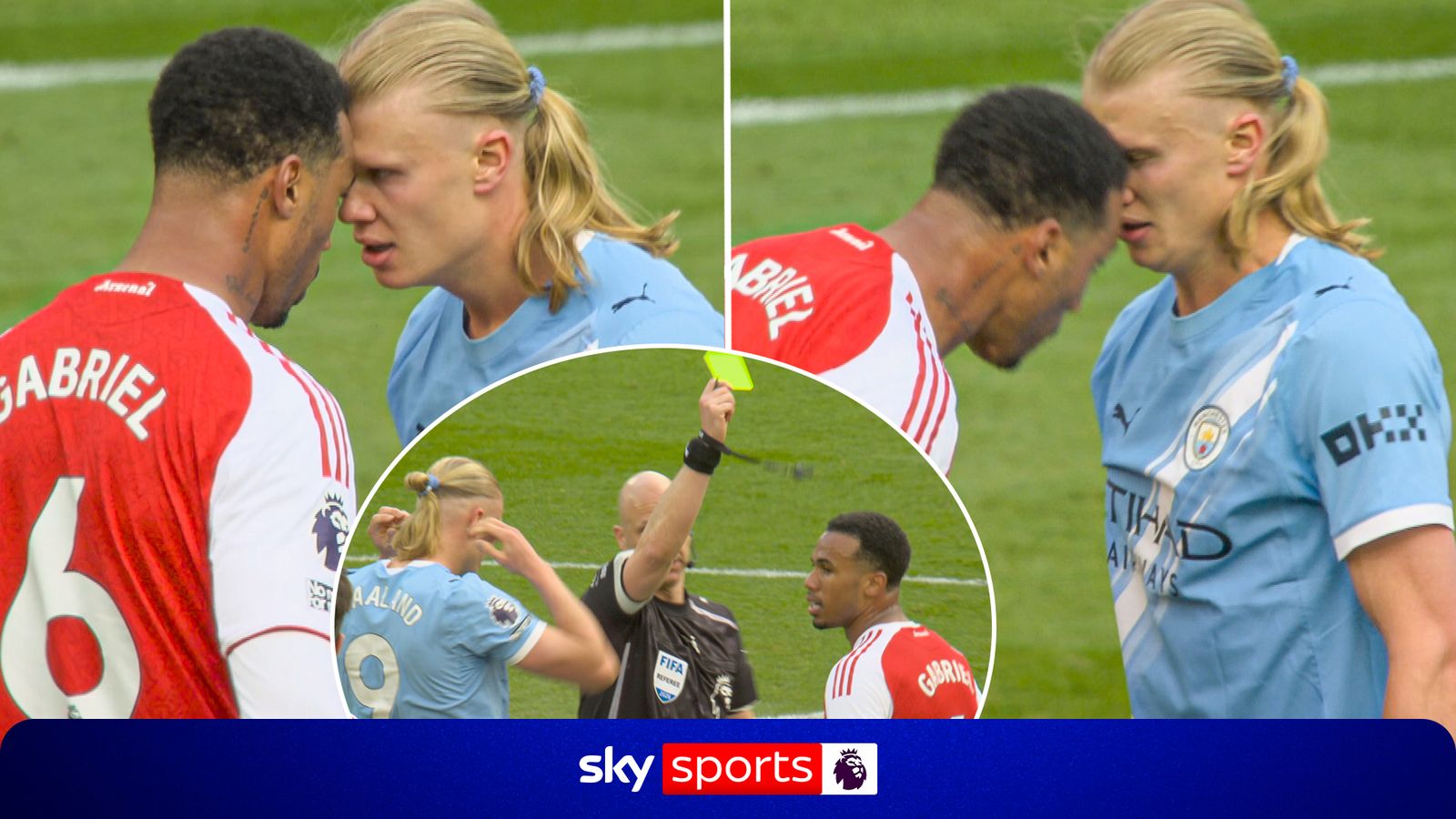
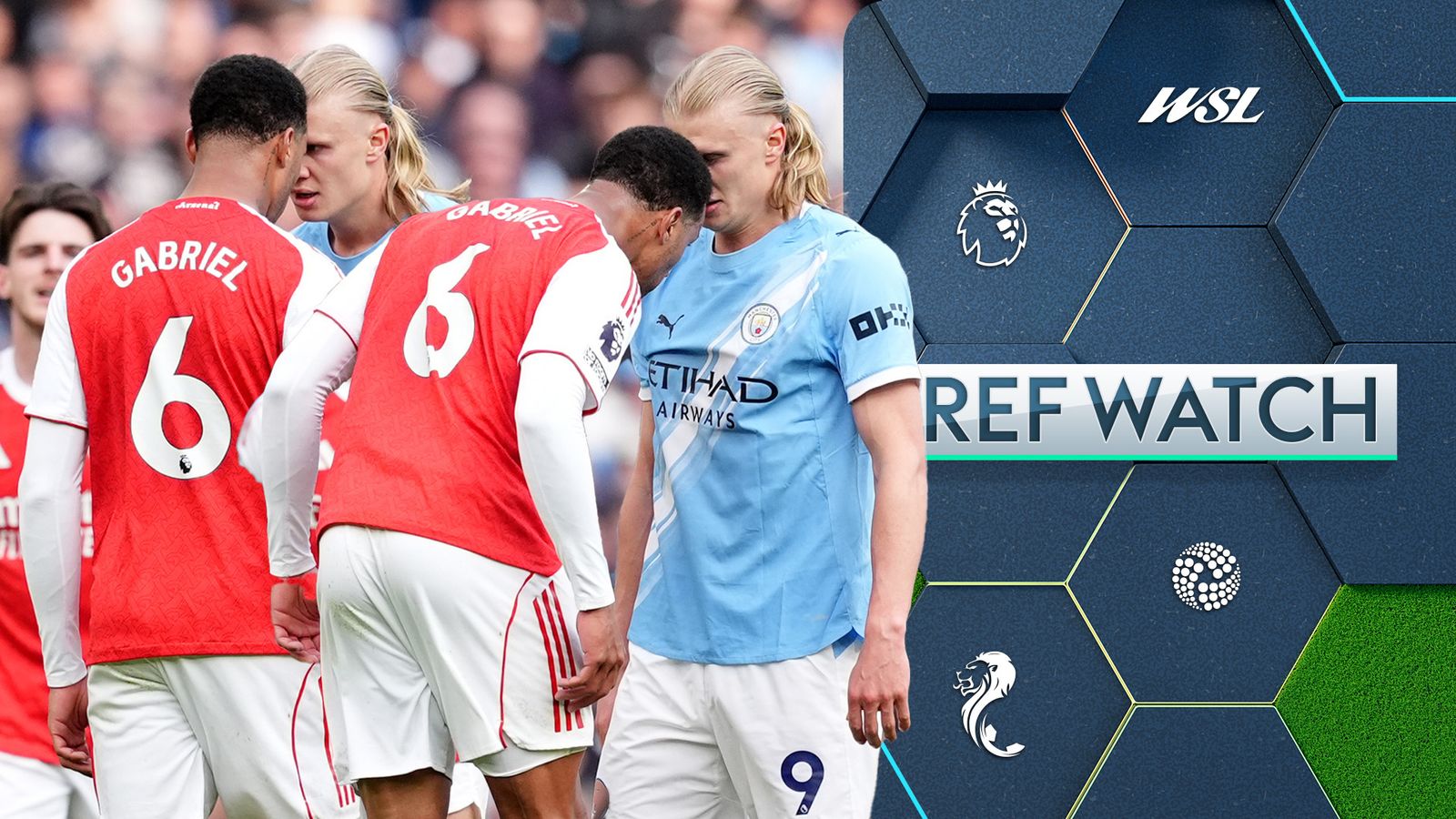
Gabriel pushed his head into Erling Haaland’s face, and somehow, he stayed on the pitch. We are just days away from their Champions League semi-final first leg on April 28, and that single moment is all anyone can talk about.
The BBC asked the obvious question: why did VAR not intervene for a red card? It was a glaring oversight by the officials. But reducing this to a debate about refereeing completely misses the actual story.
That clash was not a random loss of temper. It was the boiling point of a highly specific, aggressively executed tactical plan. Mikel Arteta has decided that the only way to stop Haaland is to bully him.
Gabriel is the designated enforcer, tasked with making the Norwegian striker as uncomfortable as physically possible. The head-to-head confrontation was simply the ugliest manifestation of that instruction. When these two teams meet next Tuesday, the entire tie will hinge on this exact dynamic.
Arsenal will try to physically suffocate Haaland again. Manchester City will try to exploit the massive risks inherent in that approach.
Arsenal's Defensive Blueprint
To understand why Gabriel got so aggressive, you have to look at Arsenal’s out-of-possession structure. Arteta sets his team up in a rigid 4-4-2 block when defending deep. William Saliba and Gabriel operate with a strict division of labor.
Saliba is the sweeper, dropping off to manage the depth and sweep up loose balls. Gabriel is the aggressor. Whenever Haaland drops into the midfield to offer a passing option, Gabriel follows him.
He does not stop at the edge of the defensive third. He tracks Haaland all the way into the center circle if necessary. The goal is to prevent Haaland from turning.
Every time the ball arrives at Haaland's feet, Gabriel wants to be making contact. This constant physical pressure takes a toll. Haaland is a physical monster, but he hates being tightly marked by a defender who matches his aggression.
The headbutt incident occurred because Haaland was finally frustrated enough to react, and Gabriel took the bait. It was dark arts defending at its absolute peak, bordering on reckless stupidity.
The Glaring Flaw in Arteta's Strategy
Here is the reality that Arsenal fans do not want to admit. Relying on Gabriel to toe the line of a red card is a terrible, unsustainable game plan. The Brazilian center-back was incredibly lucky to escape with a yellow card.
It was a failure of officiating, plain and simple. But you cannot build a Champions League strategy on the hope that referees will look the other way. When Gabriel gets drawn into these macho contests, he loses focus.
He vacates his position in the defensive line, leaving Saliba completely isolated. If Gabriel mistimes a single challenge while tracking Haaland into the midfield, Manchester City will slice right through the gap he leaves behind.
It is arrogant of Arteta to think his team can repeatedly execute this high-wire act without eventually falling. Furthermore, European referees are entirely different beasts. The officials in the Premier League often let physical contact slide in the name of letting the game flow.
UEFA referees in a Champions League semi-final will not be nearly as forgiving. If Gabriel tries to physically intimidate Haaland next week, he will likely find himself taking an early shower.
Guardiola’s Inevitable Counter-Move
Pep Guardiola watches the tape. He knows exactly what Gabriel is trying to do. Manchester City's entire tactical setup will be adjusted to punish Arsenal's aggression.
When Manchester City encounter this aggressive man-marking structure, Guardiola typically deploys a three-step progression to break it apart:
- Drop the center-forward deep into the midfield to pull the aggressive marker out of the defensive line.
- Overload the vacated half-space with advanced eights making penetrating runs.
- Bypass the press entirely with a direct ball from the goalkeeper once the opposition commits too high.
The solution starts with using Haaland as bait. Guardiola will instruct Haaland to drop even deeper, dragging Gabriel out of the defensive structure entirely. Once Gabriel commits, space opens up in the half-spaces.
That is where Phil Foden and Kevin De Bruyne make their money. City’s 3-2-4-1 build-up shape is designed to overload those exact central areas. If Gabriel follows Haaland, De Bruyne will make the penetrating run into the vacated space.
If Gabriel stays home to protect the defensive line, Haaland gets the ball with time and space to turn. It is a tactical catch-22. Arsenal's aggressive man-marking works beautifully until a smart team figures out how to manipulate the marker.
The Midfield War of Attrition
While the cameras will be fixed on Gabriel and Haaland, the real battle will be fought ten yards further up the pitch. Declan Rice and Rodri are the two best defensive midfielders in the world right now. Their duel will dictate the tempo of the entire tie.
Arsenal's primary defensive objective must be cutting off the supply line from Rodri. If the Spanish midfielder is allowed to dictate play, he will find the passing angles to bypass Arsenal's press. Rice has the athleticism to press Rodri relentlessly, but he has to be smart about his angles.
If Rice jumps too early, Mateo Kovacic or Bernardo Silva will simply receive the ball behind him. This is where Arsenal's 4-4-2 block has to be perfect. Martin Odegaard and Kai Havertz will lead the press, but their main job is to put a cover shadow over Rodri.
They have to force City to build out through the wide areas. Funneling the ball toward Kyle Walker or Josko Gvardiol is far better than letting it go through the center.
The Wide Battles
While the central channel will be a bloodbath, the flanks will decide who controls the territory. Bukayo Saka against Josko Gvardiol is a matchup worthy of the admission price alone. Gvardiol has evolved into a formidable inverted full-back, but his primary responsibility will be keeping Saka on his weaker foot.
Saka has a tendency to completely vanish from games when heavily double-teamed by a disciplined defense. On the opposite side, Gabriel Martinelli's sheer pace is Arsenal's best transition weapon.
Kyle Walker usually nullifies fast wingers. However, Walker has looked increasingly vulnerable to quick, darting runs in behind over the last few months. If Martinelli can force Walker to turn and run toward his own goal, Arsenal can relieve the pressure on their defense.
If City's full-backs dominate the one-on-one battles, Arsenal will be pinned inside their own half for 90 minutes.
The Psychological Weight of the Semi-Final
We cannot ignore the context of the date. April 28 is looming. A Champions League semi-final is a completely different psychological environment than a mid-season league fixture.
The pressure amplifies every mistake. Arsenal has a history of losing their heads when the stakes get this high. Gabriel's hot-headedness is symptomatic of a wider issue within the squad.
They play with immense emotion, which makes them brilliant front-runners but vulnerable when things turn against them. City, on the other hand, are a cold, calculated machine. They have been in these late-stage European ties countless times.
If City scores early, how does Arsenal react? Do they panic and abandon their defensive structure? Does Gabriel get even more aggressive and risk a second yellow card?
Guardiola will be banking on Arsenal's emotional volatility. He will tell his players to provoke, to agitate, and to test Arsenal's discipline at every turn.
Winning on the Margins
These two teams are so evenly matched that tactical masterclasses often cancel each other out. The tie will likely be decided by set pieces or individual errors. Arsenal is arguably the best team in Europe at offensive corners, utilizing heavily rehearsed blocking routines to free up runners at the near post.
City has struggled defending those exact routines. However, City has the ultimate wild card in Ederson. His distribution can bypass a high press with a single 70-yard pass.
If Arsenal overcommits to pinning City in their own third, Ederson can turn defense into a one-on-one counter-attack in three seconds. Saliba’s recovery pace will be tested to its absolute limit.
Prediction for the First Leg
The first leg at the Emirates is going to be a suffocating, deeply cynical affair. Neither team will want to lose the tie in the first 90 minutes. I expect Arsenal to start incredibly fast, fueled by the home crowd, trying to rattle City early.
They might even find the opening goal through a set piece. But Manchester City will eventually take control of the possession. They will slowly tighten the grip, manipulating Arsenal's defensive block until they find the inevitable weakness.
Guardiola will figure out a way to exploit Gabriel's aggression. Haaland might not score, but his movement will create the space for someone else to equalize.
Prediction: A tense, ugly 1-1 draw. The Gabriel-Haaland war will rage on, leaving everything to be settled in the return leg on May 5. Arsenal has the tactical discipline to compete, but their reliance on the dark arts might just be their undoing in Europe.