Measuring the margin of error at the Emirates
Arsenal secured their progression to the Champions League semi-finals by the skin of their teeth, edging past Sporting 2-1 on aggregate. The underlying data reveals a team operating with shrinking margins. Over the two legs, Arsenal generated an expected goals (xG) total of 2.14, yet managed to convert only two of their total 28 shots.
This efficiency rate of 7.1 percent sits well below the club’s domestic average of 12.4 percent across the current Premier League campaign. While the result is what the archives will show, the inability to kill off a resilient Sporting side reflects a squad that is currently grinding rather than dominant.
The central midfield standoff
Pressing triggers and turnover rates
The tactical battle throughout the return leg centered on the physical congestion of the middle third. Arsenal completed 84 percent of their passes, yet their ability to progress the ball into the final third slowed significantly after the 65th minute. Sporting successfully forced turnovers in deep positions, leading to an xG of 0.88 for the visitors, which actually exceeded their domestic output against similar high-pressing opponents this spring.
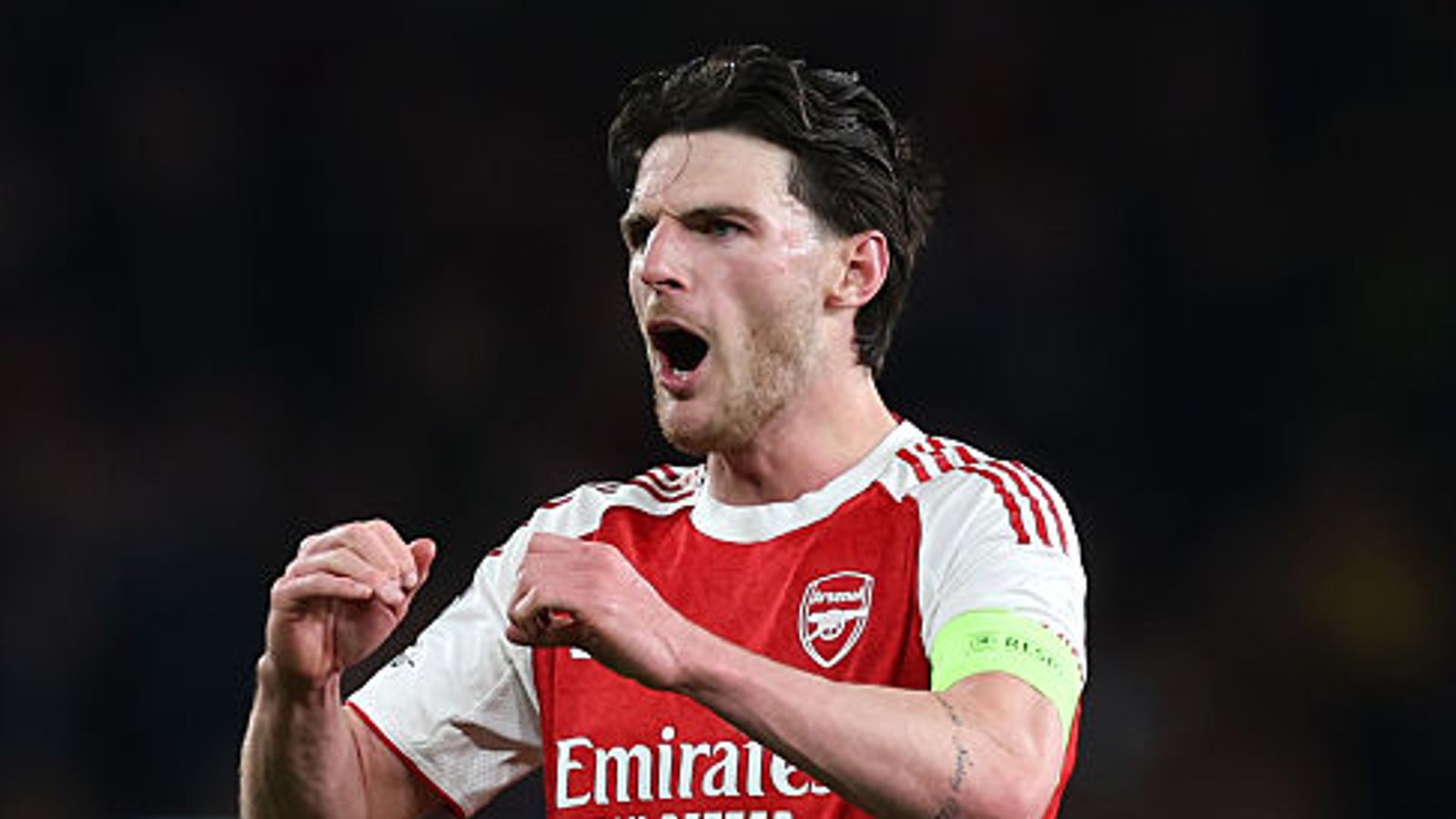
Arsenal’s midfield pivot struggled to manage the defensive transition. Declan Rice and his partner combined for only four successful interceptions, a drop-off from their usual 6.2 average in knockout football. When Sporting bypassed the initial press, the back four was left exposed to isolated 1v1 situations. The defensive unit allowed six shots from central locations inside the box, the highest volume conceded this season in a home European fixture.
Predictive metrics for the semi-final stage
Looking ahead to the semi-finals, Arsenal’s reliance on set-piece volume is a double-edged sword. With 32 percent of their goals arriving from dead-ball situations since February, they are elite at exploiting marginal gains. However, this dependency risks stagnation against sides with better tactical discipline in the air.
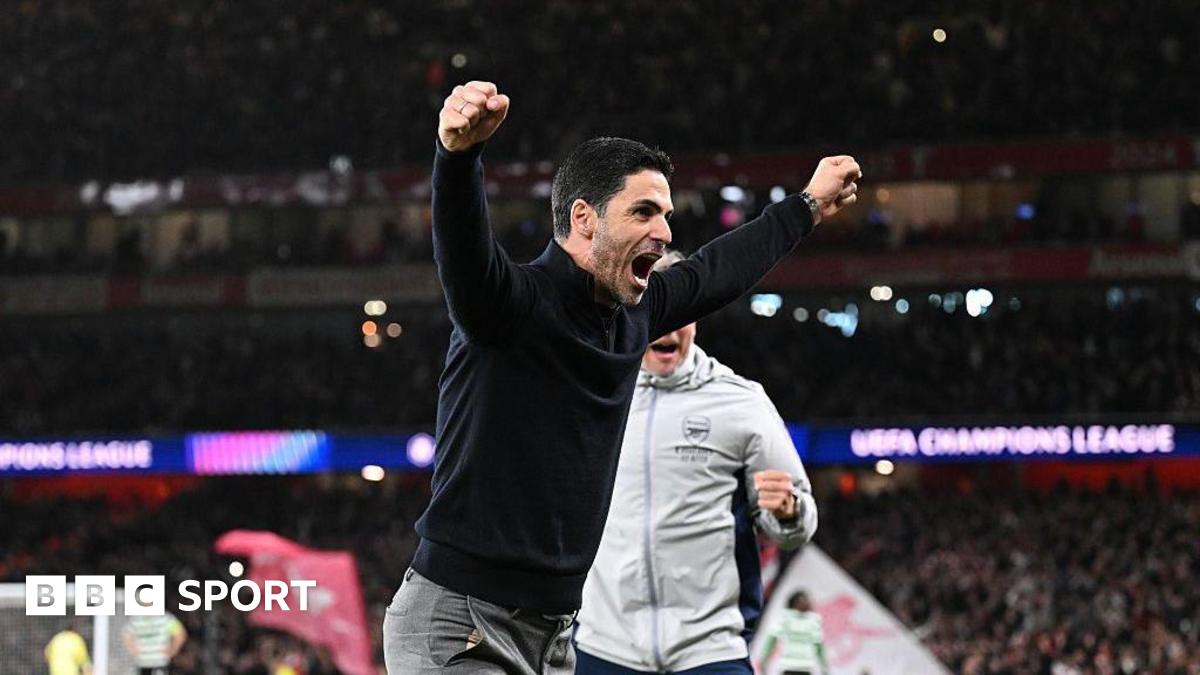
The data suggests that as the Sky Sports report confirmed, the tie was won on margins rather than control. Against more clinical opposition in the next round, the 1.22 xGA (expected goals against) recorded over the two legs against Sporting will likely prove too high to permit a clean sheet. Mikel Arteta faces a dilemma: stick with the high-intensity press that invites these counter-attacking threats, or rotate to a more conservative defensive low block to prioritize stability over ball retention.
Ultimately, Arsenal looked physically drained by the final whistle. The total distance covered by the starting XI was 114 kilometers, a slight increase from their 109-kilometer seasonal average. If this fatigue holds into the next round, the 13-day window before the first leg becomes the most important stretch of their year. Without the ability to regain their sharpness in transition, this path to Wembley remains fraught with statistical vulnerability.
Read Next
- Arsenal are walking into a tactical trap against Diego Simeone
- Arsenal's training ground looks more like a triage unit right now
- Arsenal’s pressure cooker is boiling over with Arteta at the controls
- Top 10: Painful Title Race Reality Checks of the Arteta Era
- ⭐ UCL 2026 — Champions League Quarter-Finals Hub