The tactical geometry of the Puskas Arena
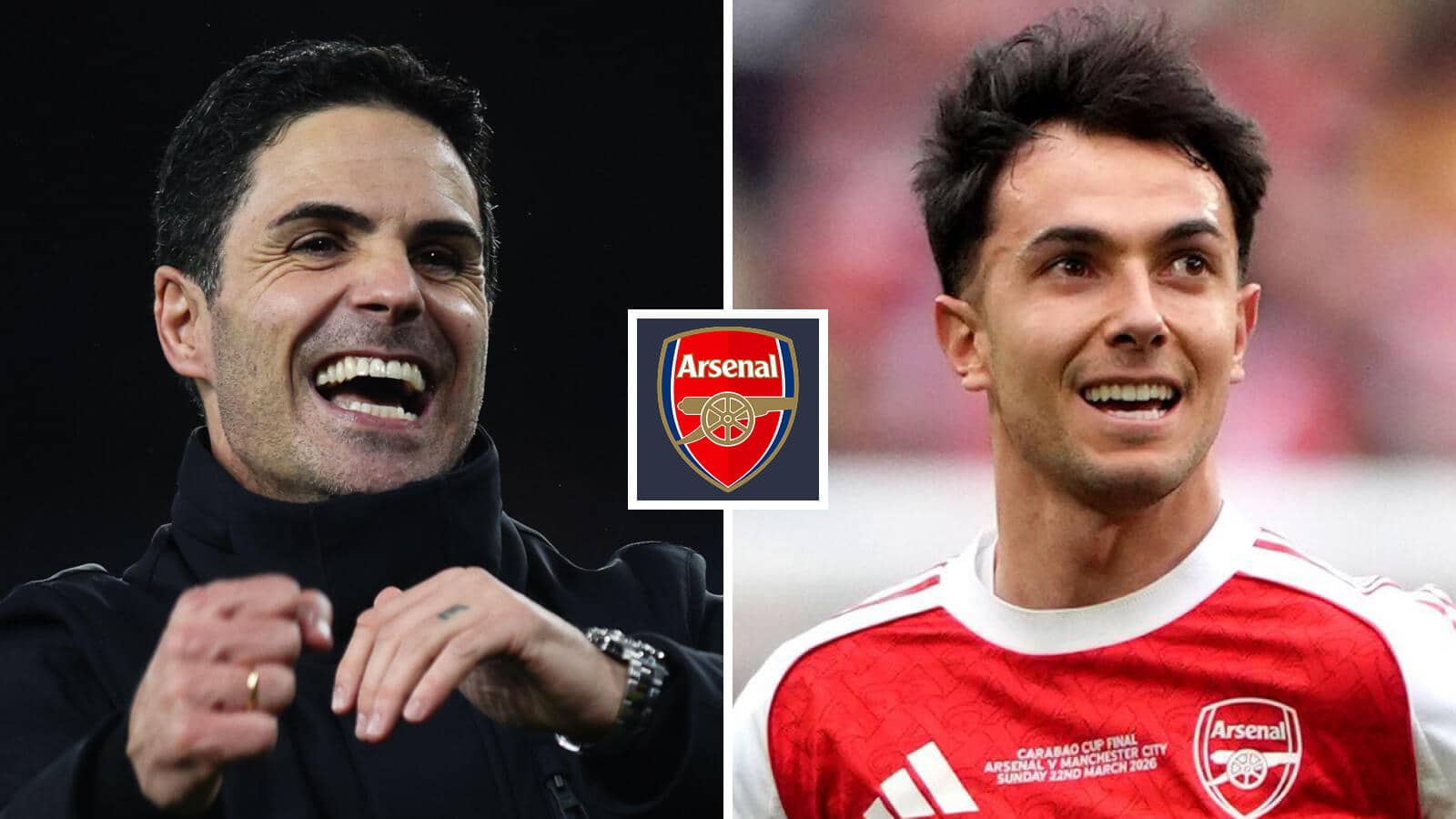
Ten days from now, the Puskas Arena becomes the final obstacle for Mikel Arteta’s tactical evolution. Arsenal aren't just playing for a trophy; they are playing for historical validation. The pursuit of a Premier League and Champions League double is a weight that has crushed better squads than this one, yet the current mood around London Colney suggests a team that has finally mastered the art of suffering.
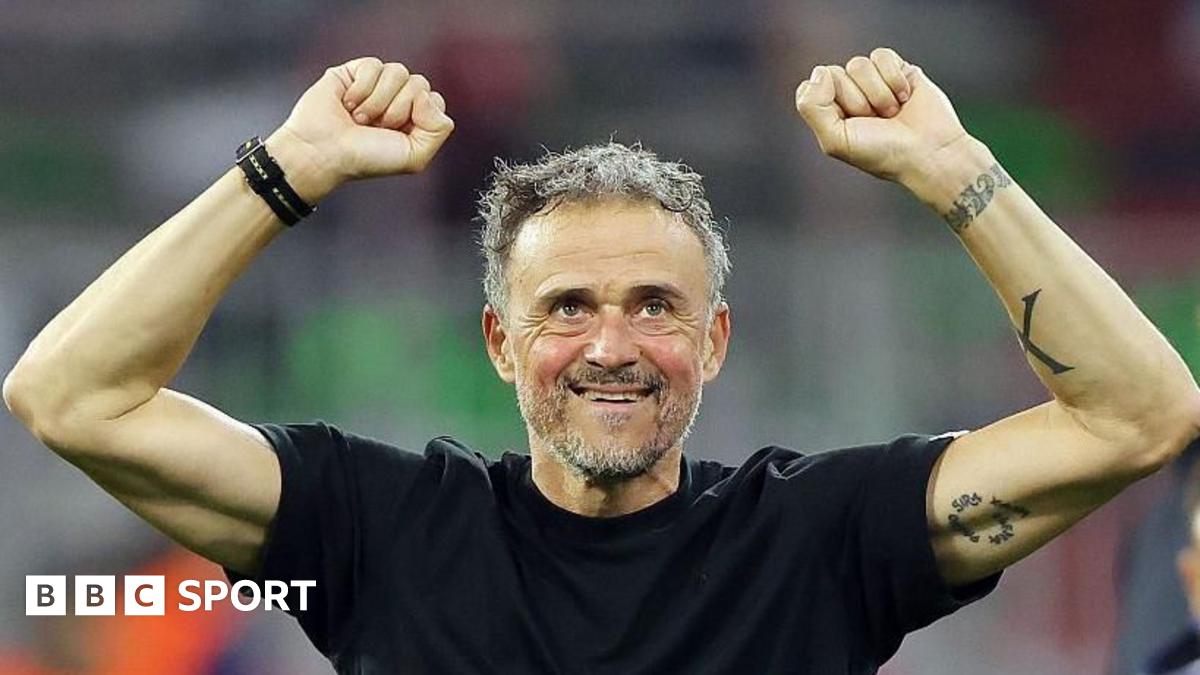
PSG arrive as the defending champions, a label that carries a different kind of pressure. Under Luis Enrique, they have shed the individualistic skin of the late 2010s. They are now a machine built on suffocating possession and verticality that punishes even the slightest defensive misalignment. This is not the PSG of old that would crumble at the first sign of a high press.
The match in Budapest will be won or lost in the half-spaces where Martin Odegaard and Bukayo Saka operate. If PSG can successfully trigger their mid-block trap and isolate Arsenal’s creators, the night could get very long for the traveling fans. Arsenal’s rest defense has been elite this season, but PSG's ability to transition through the central thirds remains the gold standard in European football.
The central squeeze and the Rice factor
Declan Rice remains the most important structural element on the pitch. His ability to cover the ground between the two 8s while maintaining a passing accuracy of 94.2 percent is what allows Arteta to commit so many bodies forward. In the quarter-finals, we saw Arsenal struggle when the opposition bypassed the midfield pivot; Rice cannot afford to be caught ball-watching when PSG's front three start their rotational cycles.
PSG will likely look to exploit the space behind Ben White. While White has been exceptional in his inverted role, he is occasionally vulnerable to the direct, diagonal runs that Luis Enrique favors. If PSG can pull William Saliba out of the central channel to cover for White, they create the 1v1 situations in the box that they crave. It is a game of positional chess that requires Arsenal to be perfect for 90 minutes.
Arteta’s side has shown a new-found maturity in managing these high-stakes transitions. They no longer panic when possession drops below 40 percent for a 10-minute stretch. Instead, they compact their lines and rely on the physical dominance of Gabriel and Saliba. This defensive solidity is why they are currently favorites to complete the double, despite the immense quality of the Parisian squad.
The UEFA-TNT friction and mental focus
The buildup to this final hasn't been without its off-field drama. As Mirror Football reported, UEFA is reportedly fuming over TNT Sports' unprecedented decision regarding the broadcast. While the suits in Switzerland worry about commercial rights, the players must ignore the noise. Distractions in the final week of a double-winning campaign are usually the first sign of a collapse.
Arsenal's locker room seems insulated from the broadcast row, but the pressure of the moment is undeniable. They are facing the holders. PSG know how to win this game; they have been through the trophy presentation, the medals, and the ticker tape just twelve months ago. Experience in these moments is often overrated until the 75th minute when legs start to heavy and decisions become blurred by fatigue.
There is a legitimate concern regarding Arsenal's recent workload. Chasing a domestic title alongside this European run has seen Arteta rely heavily on a core of 14 players. If this game goes to extra time, the physical advantage swings heavily toward the Parisians. Arsenal need to kill this game early, or they risk being picked apart in the final stages of the night.
Predicting the Budapest breakthrough
I expect Arsenal to start with an intensity that PSG will struggle to match in the first twenty minutes. The plan will be to overwhelm the PSG full-backs and force the French side into long, aimless clearances. If Kai Havertz can maintain his recent form of occupying center-backs and creating space for late runs, Arsenal will find the breakthrough before halftime.
The negative observation here is Arsenal's occasional lack of a Plan B when their primary pressing triggers are bypassed. If Luis Enrique instructs his goalkeeper to go long to bypass the Rice-Odegaard wall, Arsenal can look disjointed. They have a tendency to over-commit to the press, and a savvy PSG side will be looking to bait that aggression and strike on the counter-attack.
However, the sheer defensive discipline of this Arsenal side makes it hard to see them conceding more than once. They have allowed an xG of only 0.82 per game in the knockout stages, a staggering statistic at this level of competition. They are built to win 1-0 or 2-1 games, and that is exactly what I expect to see in Hungary.
The final scoreline will reflect a team that has peaked at the exact right moment. PSG will have their moments of brilliance, but they lack the collective grit that Arteta has instilled in this Arsenal group over the last three years. The trophy is heading to North London, and the double will be secured in a match that will be studied for its tactical rigidity and defensive masterclass.
My final call is a 2-1 victory for Arsenal. Odegaard to provide the winning assist in the 82nd minute, sealing a historic night for the club and finally putting to bed the ghosts of their European past. The PSG reign ends not with a bang, but with a series of frustrated lateral passes against an unbreakable red and white wall.
Read Next
- Arsenal's double dream faces the ultimate test against PSG in Budapest
- Why Arsenal's clash with Burnley is a terrifying trap
- PSG face a tactical void in Budapest after Dembele's 27-minute exit
- Top 10 Storylines Defining Football's Final Fortnight
- ⚽ Ligue 1 2025-26 — PSG, Monaco & the Title Race Hub
- ⭐ UCL 2026 — Champions League Quarter-Finals Hub