The tactical geometry of the Puskas Arena
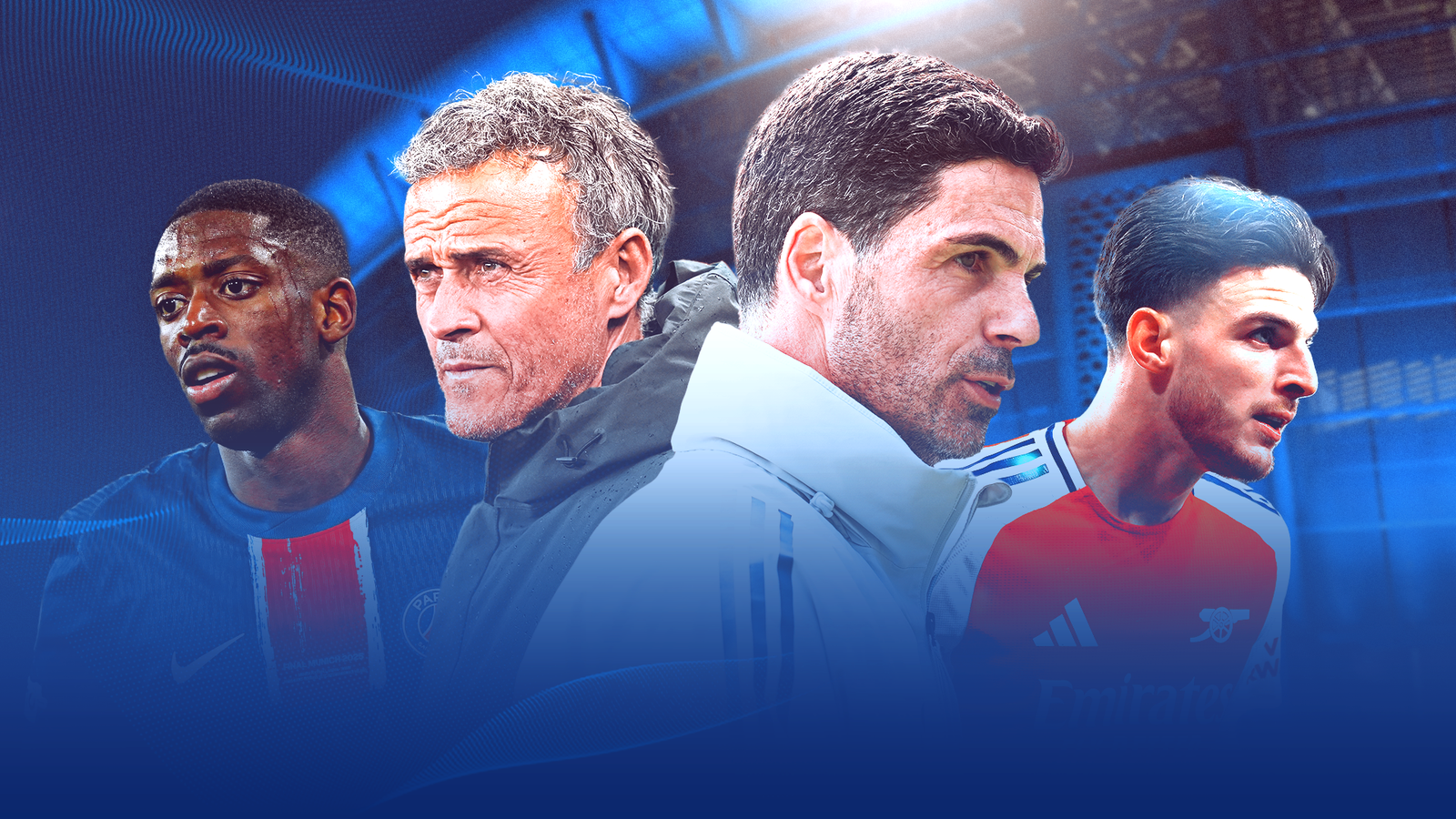
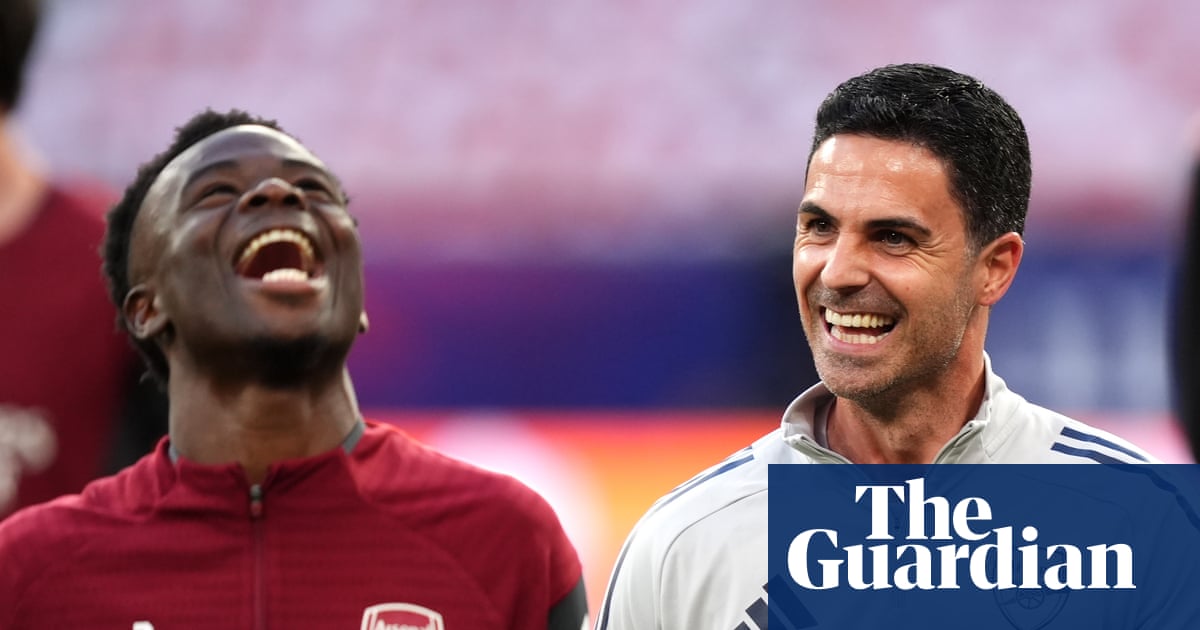
In sixteen days, Mikel Arteta and Luis Enrique will stand in opposite technical areas at the Puskas Arena, separated by a few yards of Hungarian grass and a vast chasm of European experience. This is the match Arsenal fans have waited twenty years to see. It is also the match that Gary Neville believes will end in heartbreak for the North London side. The tactical blueprint for this final is not written in the stars, but in the grueling pressing triggers and positional rotations that have defined both clubs' seasons.
PSG arrive in Budapest as a team transformed. Gone is the era of individualistic superstars walking through defensive transitions. Under Luis Enrique, they have become a suffocating, possession-oriented collective that functions with the cold efficiency of a metronome. They do not just beat teams; they delete them from the pitch by denying them the ball for ten-minute intervals. Arsenal, meanwhile, have reached this stage through defensive steel and a set-piece efficiency that has become the envy of the continent.
As The Mirror reported, Gary Neville has already made his call, tipping the French champions to edge out the Gunners. Neville’s rationale centers on the man in the dugout. He described Enrique as a manager who operates on a different plane, a veteran of these high-stakes knockout environments who knows exactly when to twist the tactical dial.
The Enrique factor and the 'God-like' narrative
Luis Enrique is currently chasing his third Champions League title as a manager. To put that in perspective, only a handful of names in the history of the sport have reached that particular summit. He is a manager who demands total ideological submission from his players. If you do not track back in his 4-3-3 system, you do not play. If you cannot execute a third-man run under pressure, you are sold. This discipline has turned a historically volatile PSG locker room into a unified tactical unit.
"Arsenal will be underdogs... they face PSG and Luis Enrique, who himself is eyeing a third European Cup as a manager."
Neville's characterization of Enrique as a "God-like manager" might sound like hyperbole, but in the context of tactical preparation, it carries weight. Enrique has a habit of throwing curveballs in finals. Whether it is an asymmetric fullback role or a false-nine rotation that drags center-backs into uncomfortable territory, he specializes in creating numerical overloads that appear out of thin air. Arteta will need to ensure his defensive block is more than just rigid; it must be adaptable.
The battle for the half-spaces
The game will likely be won or lost in the zones between Arsenal’s fullbacks and center-backs. PSG’s wingers under Enrique do not just hug the touchline; they act as decoys to create lanes for charging central midfielders. If Vitinha is allowed to ghost into the box unmarked, Arsenal’s 0.82 xG conceded per game average will be put to its ultimate test. William Saliba and Gabriel Magalhaes have been the best defensive duo in the Premier League, but they have rarely faced a system this fluid.
Arsenal’s pressing strategy will be the primary weapon. Arteta prefers a high-intensity man-oriented press that forces goalkeepers into long, hurried clearances. However, PSG’s buildup from the back is surgically precise. If Arsenal commit too many bodies forward and fail to win the ball in the first 4 seconds of the transition, they leave their back four exposed to a vertical counter-attack that could end the game before halftime.
The North London ceiling
Despite the optimism surrounding the Emirates, there is a legitimate concern regarding Arsenal's clinical edge in knockout finals. While Kai Havertz has reinvented himself as a reliable focal point, the lack of a traditional, world-class "number nine" remains a glaring vulnerability. In a game where chances will be at a premium—likely no more than two or three clear-cut opportunities for either side—the absence of a killer instinct could be fatal. Arsenal have a tendency to over-elaborate in the final third, searching for the perfect pass when a snapshot is required.
There is also the question of depth. PSG’s bench is a collection of international starters who would walk into most top-tier European sides. If the game goes to extra time, Enrique has the luxury of injecting fresh, elite pace into the wide areas. Arsenal’s drop-off beyond the first fourteen players is noticeable. An injury to Martin Odegaard or Declan Rice during the match would not just be a blow; it would be a structural collapse. The Gunners are playing a high-wire act with a very thin safety net.
Vulnerabilities in the Parisian armor
It is not all doom and gloom for the English side. PSG’s commitment to a high defensive line is a gamble that Arteta is well-equipped to exploit. Bukayo Saka and Gabriel Martinelli are precisely the type of wide players who can punish a slow-turning fullback. If Arsenal can bypass the initial PSG press with a direct ball into the channels, they will find acres of space. PSG’s defensive transition has improved, but they still struggle when forced to defend facing their own goal.
The psychological pressure on PSG is also immense. Despite their domestic dominance, the Champions League remains an elusive obsession for their ownership. Every minute that passes with the score at 0-0 increases the anxiety in the Parisian ranks. Arsenal can use this. If they can frustrate PSG for the first hour, the French side may start to take irrational risks, opening the door for a classic Arteta counter-punch.
The final verdict
This will be a chess match played at 100 miles per hour. Expect Arsenal to cede possession early, looking to maintain a compact 4-4-2 shape and hit PSG on the break. The first goal is everything. If PSG score early, they will hide the ball and starve Arsenal of any rhythm. If Arsenal can find a way through a set-piece—perhaps a Ben White nuisance-run at the near post—the dynamic shifts entirely.
Ultimately, I agree with the skepticism surrounding the Arsenal underdog tag. While their rise has been spectacular, there is a tactical maturity required to navigate a Champions League final against a manager of Enrique's caliber. PSG have the personnel to dominate the midfield and the tactical flexibility to adapt mid-game. It will be close, it will be tense, and it will likely be decided by a single lapse in concentration in the second half.
Prediction: PSG to win 2-1. Arsenal will take the lead through a corner, but the relentless pressure of Enrique’s system will eventually find the cracks. A late winner from the edge of the box will secure PSG’s first European crown and leave the Gunners wondering what might have been.
Read Next
- Arsenal aren't ready for Luis Enrique's tactical grind in the UCL final
- Arsenal are sprinting toward a historic double but the cracks are starting to show
- Arsenal's title hopes hang by a thread ahead of St James' Park showdown
- Arsenal fans are living in a VAR-induced fever dream
- ⚽ Ligue 1 2025-26 — PSG, Monaco & the Title Race Hub
- ⭐ UCL 2026 — Champions League Quarter-Finals Hub