The March break strikes again
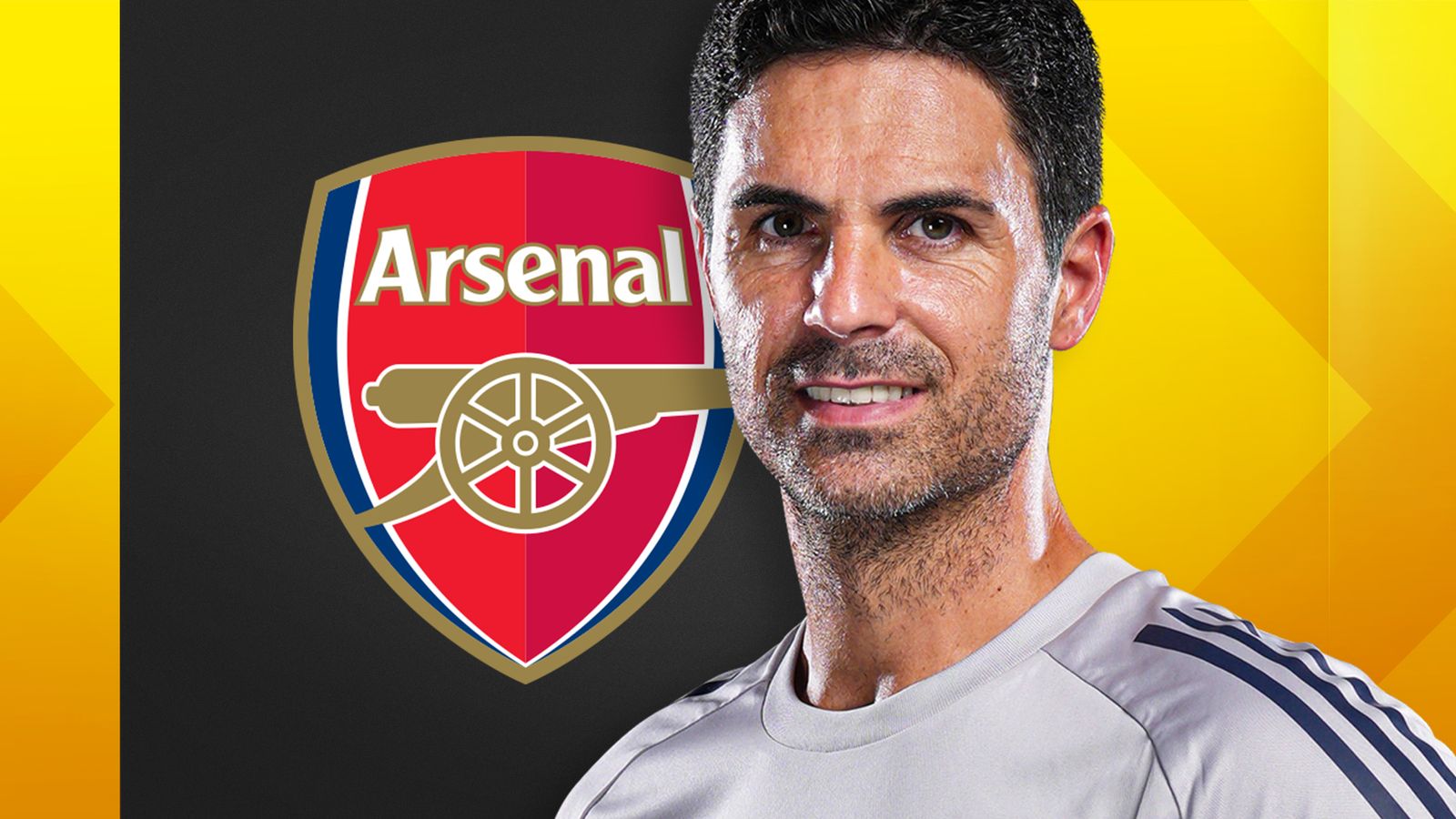
Mikel Arteta probably spent the last week holding his breath every time his phone buzzed. His worst fears are now a reality. The March international break has wreaked havoc on Arsenal's squad, leaving their most vital players carrying knocks just as the season hits its most important phase.
With the Champions League quarter-finals looming on April 7, the timing could not be worse. Arsenal have navigated a grueling winter schedule, only to watch their core get dismantled during national team duty. According to recent reports, the casualties are significant and terrifying for the fanbase.
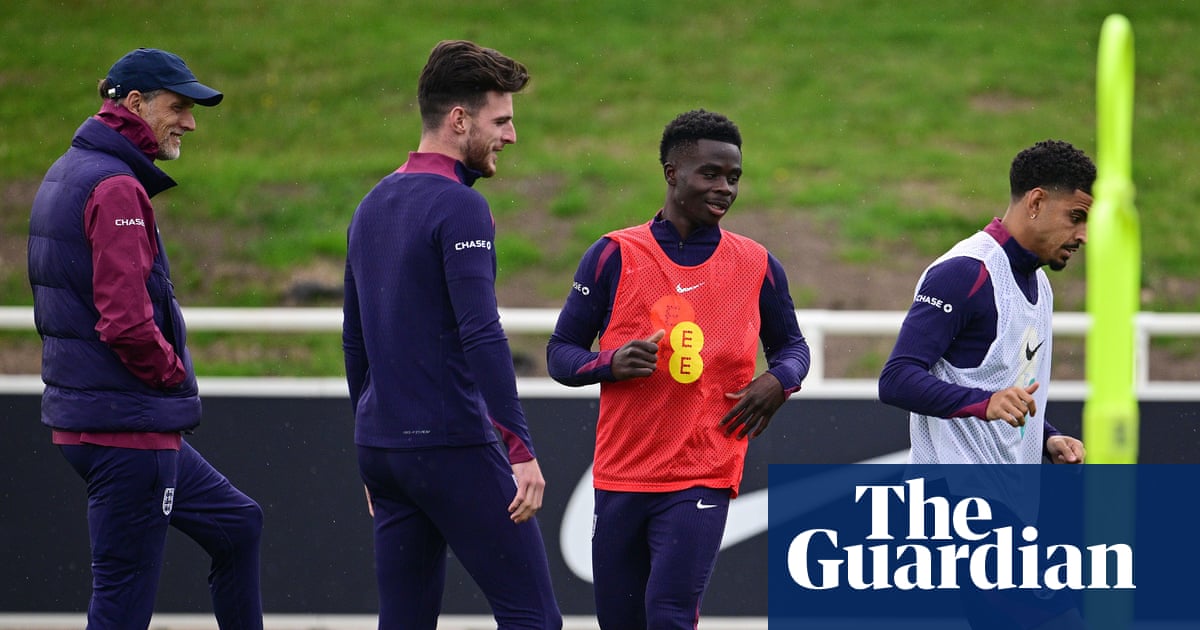
Bukayo Saka, Declan Rice, and Noni Madueke have all withdrawn from England duty with fitness concerns. These aren't rotational pieces. This is the engine, the creative hub, and the essential depth needed to survive a two-front war.
International breaks in the spring are universally despised by club managers. The physical toll on players who have already logged upwards of 3,000 minutes is massive. Arteta now faces an uphill battle to patch his starting eleven together before the domestic schedule resumes.
The immediate concern is the lack of clarity. National team medical staffs are notoriously vague. A fitness concern could mean a minor dead leg or a grade-two hamstring tear. Until these players get back to London Colney for scans, Arsenal are flying blind.
Bukayo Saka's relentless workload catches up
Let's start with the most alarming name on the list. Bukayo Saka has been an ironman for Arsenal over the past three seasons, rarely missing a Premier League fixture. But that durability comes at a cost. The sheer volume of minutes he has played before turning 24 is staggering.
Saka's withdrawal from the England squad feels like an inevitable consequence of his workload. He doesn't just play every game; he is constantly fouled, kicked, and dragged down by opposing fullbacks. The cumulative impact of those tackles takes a heavy toll on the muscles and joints.
If Saka is dealing with a muscular issue—specifically a hamstring or groin problem—the timeline could stretch into late April. Muscular injuries cannot be rushed. Bring him back too early, and a two-week absence turns into a season-ending tear.
Without Saka, Arsenal's entire attacking shape changes. He is the out-ball, the primary creator, and the player who draws double teams to free up space for Martin Odegaard. Arteta will likely have to shift Gabriel Jesus wide right, but Jesus doesn't offer the same touchline-hugging width or direct one-on-one threat.
Historical context isn't kind here. Look at Wayne Rooney or Michael Owen. Players who logged massive minutes in their early twenties often faced recurring muscle issues later. Arsenal have to manage Saka carefully, but they simply don't have the luxury of time right now.
The engine stalls: Declan Rice's absence
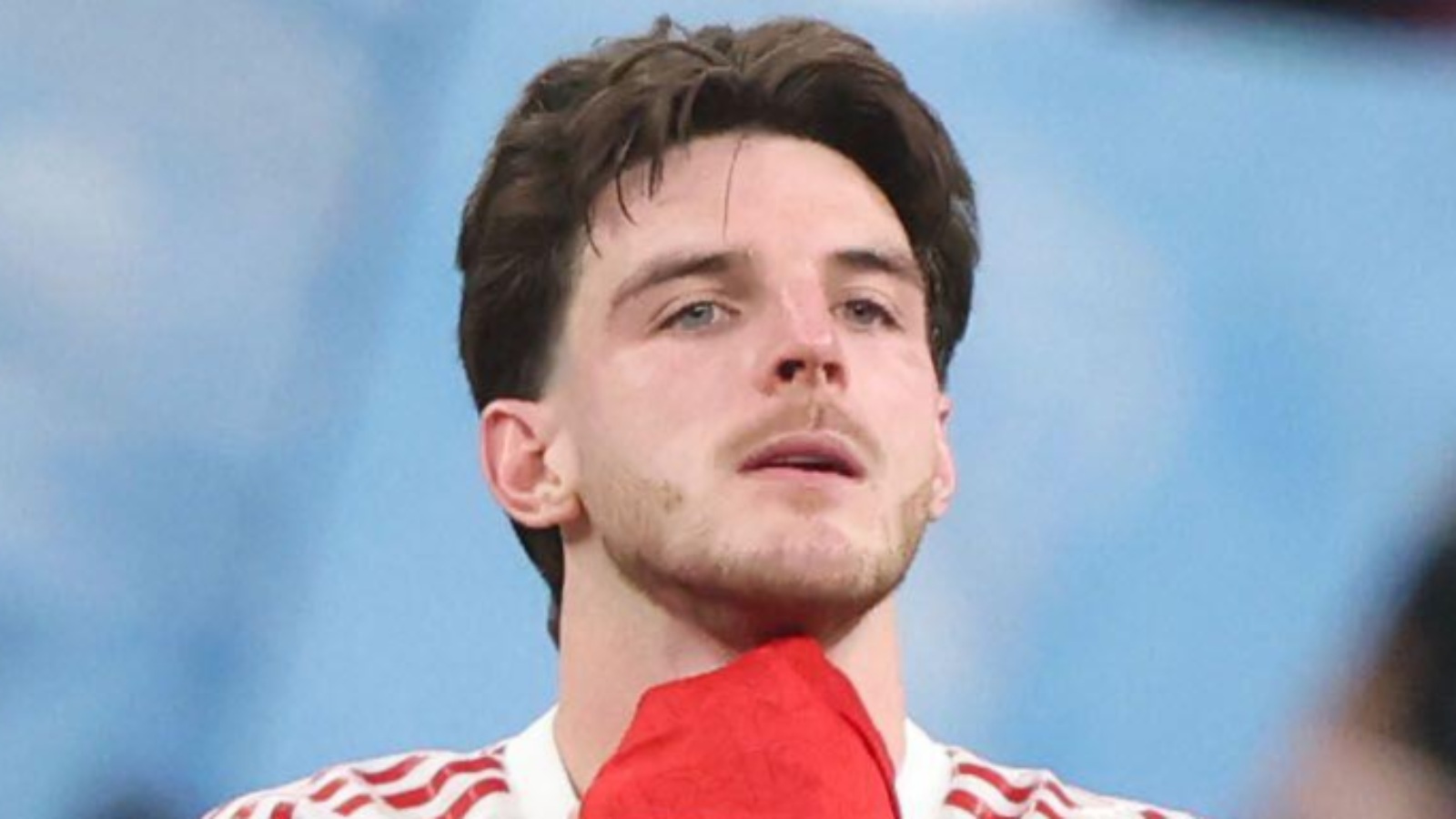
While Saka provides the flair, Declan Rice provides the security. Rice has been the undisputed signing of the decade for Arsenal, transforming their midfield from soft to impenetrable. His withdrawal from the national team setup is a massive red flag.
Rice covers more ground than almost anyone in the league. His ability to extinguish counter-attacks and carry the ball out of pressure is the tactical foundation of Arteta's system. Losing him, even for a single match, forces a complete tactical rewrite.
If Rice is out for the short-term—say, one to three weeks—Arsenal have to rely on Jorginho or Thomas Partey. Partey's injury history is a novel in itself, and Jorginho lacks the physical mobility to cover the massive spaces Rice dominates.
Against mid-table opposition, a double pivot of Jorginho and Odegaard might survive. But in the Champions League quarter-finals? That is a massive risk. Elite European opposition will bypass a static midfield with ease.
The medical team will be working around the clock. If Rice has a minor knock, he might be wrapped in cotton wool and given pain-killing injections for the upcoming fixtures. But if it is a structural issue with a knee or ankle, Arsenal's title challenge might just evaporate entirely.
Noni Madueke and the depth crisis
The injury to Noni Madueke adds a frustrating wrinkle to the situation. While not always a guaranteed starter, Madueke was brought in to provide exactly the kind of rotational depth Arsenal are now missing. He is the direct backup plan when the main wingers need a rest.
Madueke's raw pace and direct dribbling are essential late in games against tired legs. Now, with Saka potentially sidelined, Madueke would have been the natural replacement on the right flank. Instead, he is also occupying a bed in the treatment room.
This is where squad building is brutally tested. You can have a brilliant starting eleven, but injuries to the backups turn minor crises into major disasters. Arteta's reluctance to trust academy prospects in high-stakes matches is a glaring flaw. It means he will likely play first-teamers out of position rather than blooding a youngster.
We might see a drastic formation change. Perhaps a switch to a back three, utilizing wing-backs to provide the width they are missing higher up the pitch. Or maybe Leandro Trossard gets shifted to the right, though he is overwhelmingly right-footed and prefers cutting in from the left.
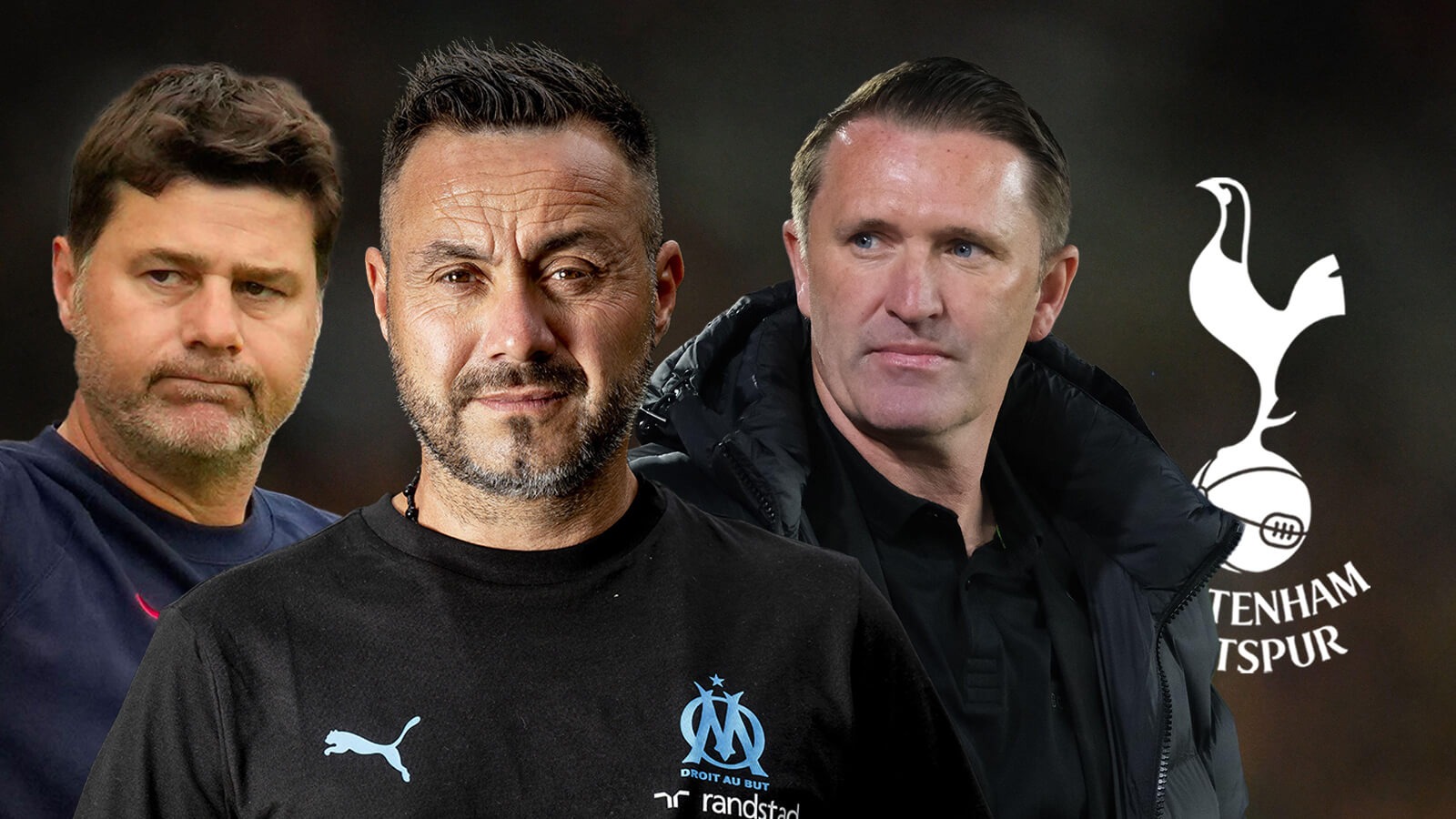
Every option is a compromise. And at this stage of the season, compromises drop points. Across North London, the problems are different but equally desperate. Tottenham have parted ways with interim coach Igor Tudor and find themselves battling relegation. Arsenal are fighting at the top, but the pressure is just as suffocating.
The looming April gauntlet
The calendar offers absolutely zero mercy. Today is March 29. In exactly nine days, Arsenal face the first leg of their Champions League quarter-final on April 7. The return leg follows quickly on April 14. Sprinkled in between are must-win Premier League fixtures.
If these injuries require a recovery window of three to four weeks, Saka, Rice, and Madueke will miss the entire quarter-final stage. They would also be racing the clock to be fit for the potential semi-finals starting on April 28.
This isn't just a bump in the road. It is a massive pothole that could wreck the suspension on Arsenal's season. The psychological impact on the rest of the squad cannot be ignored either. Walking out of the tunnel without your best player and your midfield general creates a nervous energy.
Arteta has built a resilient group, but resilience only takes you so far when the physical bodies aren't available. He needs a medical miracle, or at the very least, a massive misdiagnosis from the England camp.
The next 48 hours will decide everything. Scans will be read, prognoses will be delivered, and Arsenal's trajectory for the rest of 2026 will be firmly defined. If the news is bad, the focus immediately shifts to damage limitation. Survive April, and hope you are still mathematically alive in May.
Read Next
- Why the great England squad exodus makes perfect sense right now
- Arsenal’s season hits a wall as Madueke, Saka, and Rice leave England camp
- Arsenal's medical room is getting crowded at the worst possible time
- Arsenal's medical room is currently more crowded than the M25
- 🏴 England World Cup 2026 — Three Lions Hub
- ⭐ UCL 2026 — Champions League Quarter-Finals Hub