Why Arsenal's 4,109-day Etihad curse matters more than ever today

The shadow of 2015
January 18, 2015. Most of the players starting for Arsenal today were barely out of primary school when Santi Cazorla danced through Manchester City’s midfield to secure a 2-0 win. That afternoon was a tactical anomaly for Arsene Wenger, a rare surrender of possession that yielded a clinical result. Since then, the Gunners have traveled to the Etihad 10 times in the Premier League and returned with precisely one point.
As the buses arrive at the Etihad today, April 19, 2026, that historical weight has ballooned into 4,109 days without a victory. The aggregate score across those fixtures is a brutal 28-6 in favor of the hosts. It is a psychological scar that Mikel Arteta has tried to cauterize with heavy investment and structural rigidity, but the numbers do not lie. Arsenal don't just lose here; they often evaporate.
Decoding the different beast
Pep Guardiola has spent the week dismissing the idea that City’s experience is their only weapon. As The Mirror reported, Guardiola insists this isn't the same outfit that ground out titles in years past. He is right, though perhaps not for the reasons he publicly states. The 2026 iteration of City has moved away from the extreme wide-man gravity of the Sane-Sterling era, evolving into a central-loading monster that suffocates teams before they can even think about a transition.
Tactically, City have shifted into a shape that looks more like a 3-2-2-3 with a heavily congested central box. By playing four natural center-backs across the defensive line, Guardiola has eliminated the traditional 'full-back' vulnerability that Arsenal used to exploit with Bukayo Saka’s 1v1 isolated runs. If Arsenal want to break the curse today, they aren't just fighting a team; they are fighting a system designed to make the pitch feel about thirty yards wide.
The Rice-Rodri collision
The match today will be won or lost in the three-meter radius surrounding Rodri. For years, City's single pivot was the pressure valve that Arsenal couldn't reach. Now, with Declan Rice operating in a more advanced 'left-eight' role for the Gunners, Arteta is hoping to physically disrupt the rhythm that has seen City maintain a pass completion rate above 91% in this fixture over the last decade.
Rice’s ability to cover ground is well-documented, but his success today depends on his timing. If he presses too high and misses the tackle, he leaves William Saliba and Gabriel Magalhaes isolated against a vertical threat that has become City's newest evolution. Guardiola's 'different beast' now looks to hit early balls into the channels rather than endlessly circulating the ball. It is a more direct, more cynical version of City that punishes even the slightest defensive misalignment.
The myth of the student
The narrative of the 'student vs. teacher' between Arteta and Guardiola is starting to fray. While Arteta has successfully cloned City’s defensive structure, he has yet to replicate their offensive improvisation. Arsenal's attacks often feel scripted, a series of pre-planned movements that work brilliantly against mid-table blocks but become predictable against a defense as disciplined as City's. There is a rigidity in the Arsenal front line that needs to break if they are to find a goal today.
Pep Guardiola explains why Arsenal are facing a different Man City beast in title race — but this isn't the same Pep Guardiola outfit.
Arsenal's reliance on Kai Havertz as a focal point is the ultimate gamble. In their last visit, Havertz struggled to win more than 30% of his aerial duels against Ruben Dias. If he cannot hold the ball up for more than two seconds, the Arsenal midfield will be sucked into a defensive vortex they cannot escape. The Gunners need a performance that is 10% tactical and 90% emotional defiance, something they haven't shown at this ground since the Obama administration.
Tactical stagnation and the xG trap
One of the quiet tragedies of Arsenal’s recent visits to Manchester is the xG (Expected Goals) data. In three of their last four league games at the Etihad, Arsenal have failed to generate an xG higher than 0.65. They aren't just losing; they are failing to create meaningful chances. This isn't due to a lack of talent, but a lack of courage in possession. They play like a team terrified of the counter-attack, which in turn invites the very pressure they dread.
City’s 'different beast' status comes from their newfound defensive pragmatism. They are happy to let Arsenal have the ball in their own half, knowing that the Gunners' build-up often slows down at the halfway line. This is where the trap is set. As soon as Thomas Partey or Declan Rice looks for a progressive pass, City’s box midfield collapses on them like a dying star. It is a suffocating experience that has broken better teams than this Arsenal side.
The critical failure of 2024
We cannot ignore the 0-0 draw in March 2024, a result many Arsenal fans celebrated as a sign of progress. In reality, it was a missed opportunity. City were vulnerable that day, missing key personnel, and Arsenal played for the point instead of the kill. That lack of killer instinct is what separates title winners from title challengers. If Arteta sets up for a draw today, he is effectively handing the trophy to Guardiola on a silver platter.
There is also the issue of squad depth. City can bring off a world-class playmaker and replace him with another player of equal or greater value. Arsenal's bench, while improved, still lacks that game-changing quality that can alter a tactical blueprint in the 70th minute. If the game is tied late on, the advantage swings violently toward the hosts. Arsenal must score early, or they won't score at all.
Why today is the definitive moment
With only a few games remaining in the 2025/26 season, this is the final hurdle. A win for Arsenal would end the 4,109-day drought and likely secure their first title in over two decades. A loss would be the familiar end to a familiar story. Guardiola knows this, and his comments about the 'different beast' are a warning. He has rebuilt his team to be more resilient, more direct, and less prone to the defensive lapses that occasionally plagued his early years in England.
The Etihad is no longer just a stadium for Arsenal; it is a psychiatric ward. Every misplaced pass and every cynical foul from Rodri adds to the collective trauma of the traveling supporters. To win, Arsenal must forget everything that has happened since 2015. They must ignore the 28-6 aggregate scoreline and the ghosts of Cazorla and Wenger. They must play the game in front of them, not the history behind them.
Final tactical adjustments
Watch for how Arsenal handle the 'inverted' full-back today. If Ben White stays pinned to the touchline to track wide threats, he leaves a gap in the half-space that City’s number tens will exploit ruthlessly. Arteta might be forced to use a back five in defensive phases, a move that would signal his fear. If he stays with the back four, he is trusting his players to win their individual duels—something they haven't done at this ground in over a decade.
The match kicks off shortly, and the air in Manchester is heavy with the expectation of another City masterclass. For Arsenal, the mission is simple but Herculean: kill the beast, or be swallowed by it again. The tactical battle is set, the names are on the sheet, and the 4,109-day clock is ticking. Whether it stops today or keeps running toward another year of failure depends on whether Arsenal have finally learned how to suffer.
Read Next
- Pep Guardiola has finally traded control for chaos in this title race
- Arteta and Guardiola are playing a dangerous game of chess
- Top 10: Moments That Defined the Arsenal-City Power Shift
- Tony Adams just nuked Arsenal's vibes right before the City game
- ⭐ UCL 2026 — Champions League Quarter-Finals Hub
EA SPORTS FC 24 - PlayStation 5
The definitive virtual football experience for the new era.
Frequently Asked Questions
When was the last time Arsenal won a match at the Etihad Stadium?
How has Manchester City's tactical shape evolved for the 2026 season?
What is Declan Rice's tactical responsibility in the match against City?
What is the goal record between these two teams at the Etihad since 2015?
Why does Pep Guardiola characterize his current team as a different beast?
More Coverage

Raheem Sterling's arrest is a disaster for his career timeline
16 minutes ago
Kieran Trippier is the exact veteran Wolves need right now
16 minutes ago
Adam Wharton emerges as top summer target for Arsenal's midfield evolution
32 minutes ago
Manchester United’s Summer Obsession: Why Inconsistency Defines the Strategy
32 minutes ago
Liverpool chasing Yan Diomande in high-stakes €150m transfer scramble
32 minutes ago
Manchester United are chasing ghosts with the Leao pursuit
2 hours agoMore Analysis

Arsenal face the 4,109-day weight of history at the Etihad today
1 month, 1 week agoArsenal are finally ready to break the 4,109-day Etihad curse
1 month, 1 week ago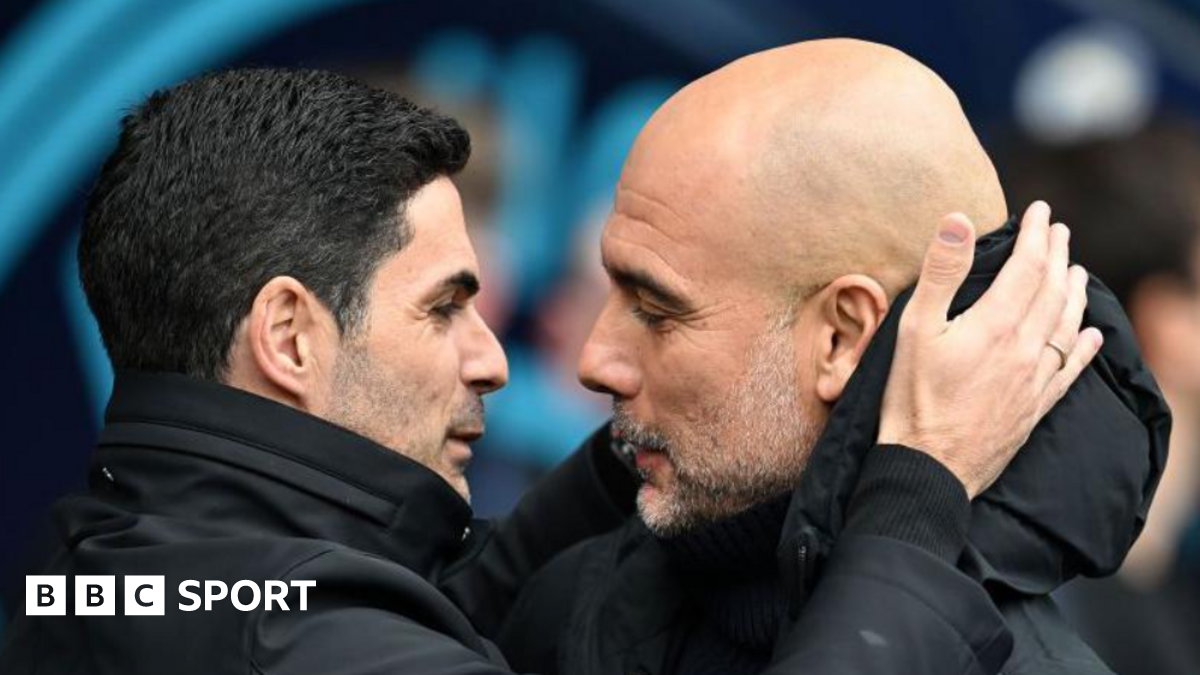
Arsenal finally have the tools to break the Etihad curse
1 month, 1 week ago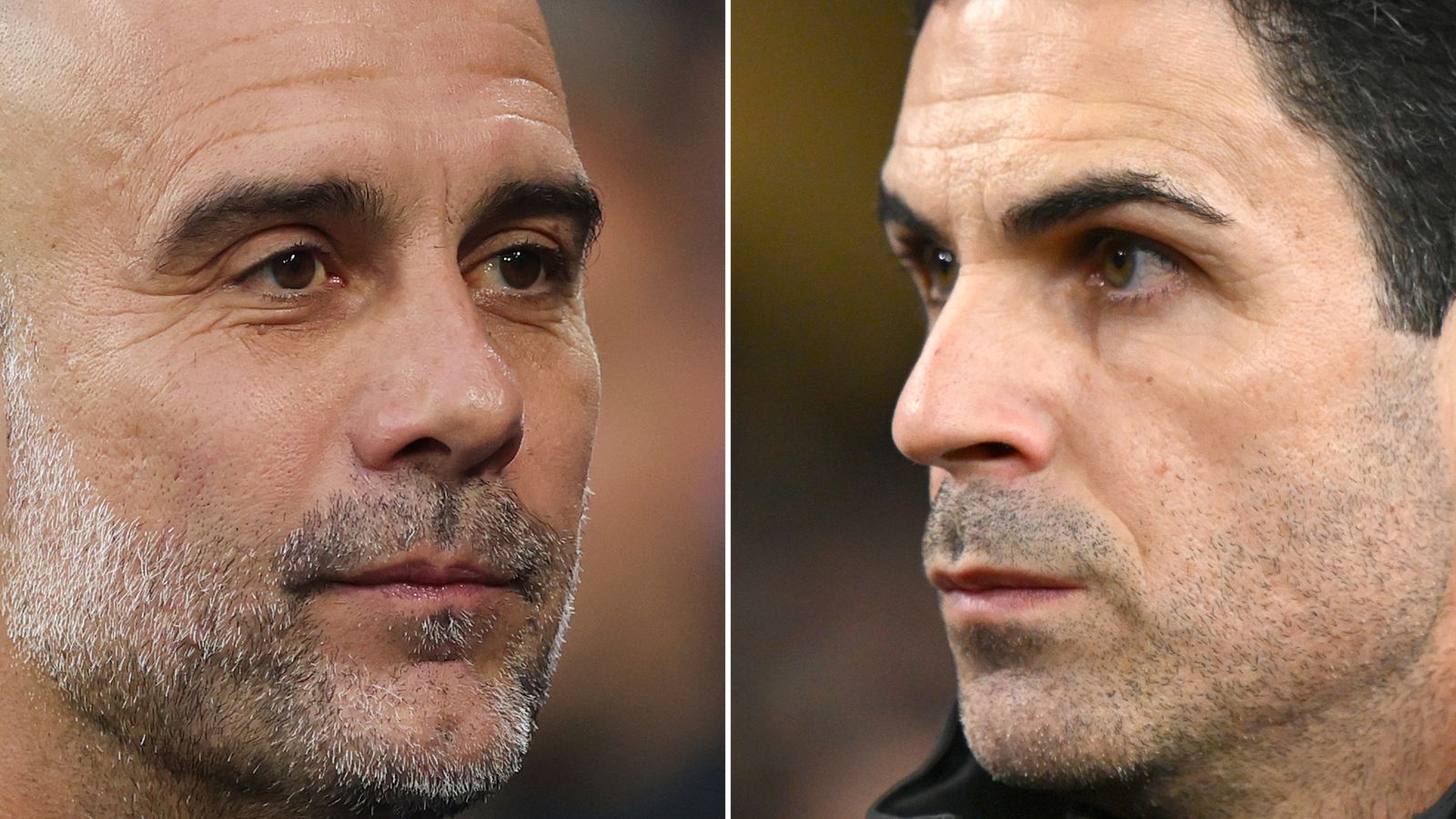
Arsenal finally have the chance to bury their Etihad ghosts
1 month, 1 week ago
The 4,108-day drought Arsenal must break at the Etihad
1 month, 1 week ago