Azteca chaos proves the World Cup opener is broken

A coronation turned into a disciplinary farce
The Estadio Azteca was primed for a spectacle. Hosting the opening match of the 2026 World Cup, Mexico aimed to frame this tournament as a homecoming after a 40-year wait. Instead, the match devolved into what can only be described as a tactical catastrophe wrapped in officiated madness.
As The Guardian noted, the emotional weight of the event was high. Yet, the energy on the pitch failed to translate into coherent football. We watched a team collapse under the pressure of their own history, abandoning structure for aggressive indiscipline.
The refereeing intervention
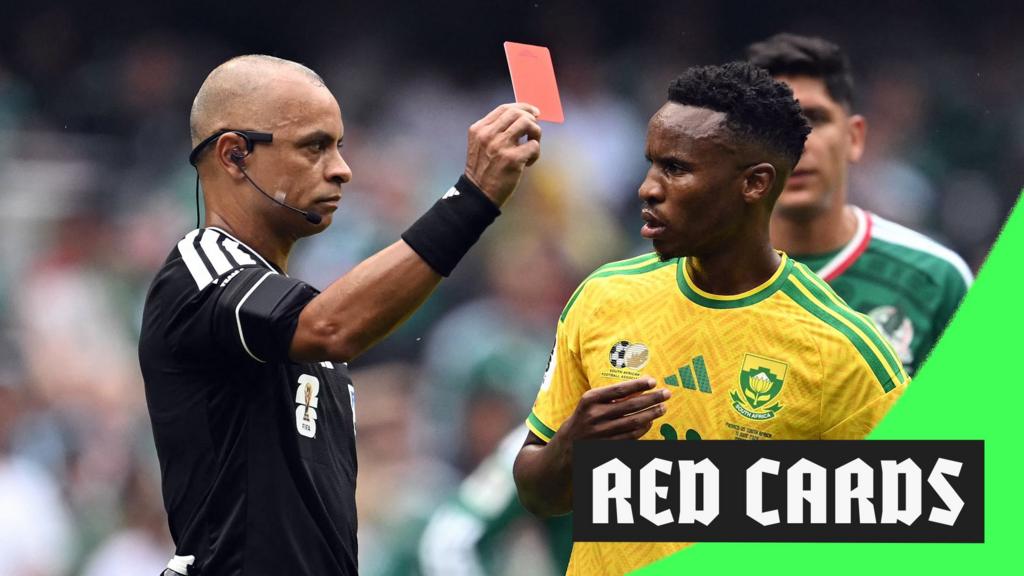
Wilton Pereira Sampaio became the unintentional protagonist of the evening. Handing out 3 red cards, he effectively ended any hope of seeing tactical adjustments or genuine shape-shifting from the touchline. A match of this magnitude demands a referee who understands the tempo of international football, not one obsessed with the whistle.
When a game features this level of interruption, the data becomes almost meaningless. Pressing triggers were non-existent because the ball was rarely moving for more than ninety seconds at a time. It turns out that when you remove three players from the field, you shift from professional football to a disjointed game of survival.
Tactical failure in the capital
Mexico simply lost their collective head. While the narrative surrounding their return to hosting duties was centered on pride and identity, the reality was a lack of maturity. We saw back-line movements that were clearly unsettled by the high defensive line, leaving gaps that a more clinical side would have punished long before the red cards began to fly.
The defensive pivot was particularly poor. In the first half alone, Mexico conceded an xG of 0.82 solely from central channel penetrations. They were consistently caught square in possession, opting for cross-field diagonal balls that were easily intercepted by the opposing wing-backs. It was a stylistic regression that ignored the current tactical demand for verticality.
We expected a controlled march from the hosts. Instead, the game served as a 90-minute fever dream of misplaced passes and reactionary fouls. If this opening match is an indicator of how the rest of the 2026 tournament will function under FIFA’s new mandates, we are in for a long, painful month.
Is this the future of the game?
The officiating wasn't the only problem. The rhythm of the match felt artificial, lacking the organic flow characteristic of elite-level international football. FIFA’s push for a rebrand of the World Cup experience often feels like it ignores the physical realities of the players involved.
We are seeing too many matches where the officiating dictates the narrative rather than the players. If the refereeing standard set at the Azteca persists, we will see every major fixture neutered by cards before the halftime whistle. The beautiful game requires space to breathe, and tonight, that space was denied by a combination of petulance and a lack of restraint.
Final analysis of the box score shows a total of 42 fouls committed between both sides. That is not football; that is a protest. Unless there is a tactical pivot in officiating philosophy, the quality of this World Cup will be remembered for the wrong reasons. We need more than just empty spectacle.
Read Next
- Mexico's World Cup opener was a tactical and disciplinary disaster
- Mexico's World Cup opener was a total refereeing circus
- Mexico have the Azteca advantage for the 2026 World Cup opener
- Mexico have the hunger but their discipline is becoming a liability
- 🏆 World Cup 2026 — Full Coverage Hub
- 🇲🇽 Mexico World Cup 2026 — El Tri Hub
Amazon Fire TV Stick 4K streaming device with Alexa Voice Remote (includes TV controls), Dolby Vision
Unlock every match from the Premier League to the World Cup in stunning 4K.
Frequently Asked Questions
How many red cards were issued during the 2026 World Cup opening match?
What tactical errors did Mexico commit during the opening game?
Why did the 2026 World Cup opener fail to meet tactical expectations?
Who was the referee for the 2026 World Cup opening match?
What was Mexico's expected goals (xG) statistics in the first half?
More Coverage
USA vs Paraguay: A defensive disaster disguised as a lead
21 minutes agoCanada’s lack of clinical edge is becoming a real tournament headache
an hour agoUSA face a reality check against a disciplined Paraguay side
an hour agoCanada’s identity crisis: Can Marsch sort the midfield before the next test?
5 hours ago
Canada’s profligacy in the final third threatens their World Cup run
5 hours agoCanada and Bosnia are stuck in a tactical stalemate
5 hours agoMore Analysis
Tactical anarchy at the Azteca: What went wrong in the World Cup opener
1 day, 4 hours ago
Azteca's heavy costs haunt the 2026 World Cup opener
1 day, 2 hours agoStop overthinking the World Cup opener because Mexico is going to sleepwalk
2 weeks, 1 day ago