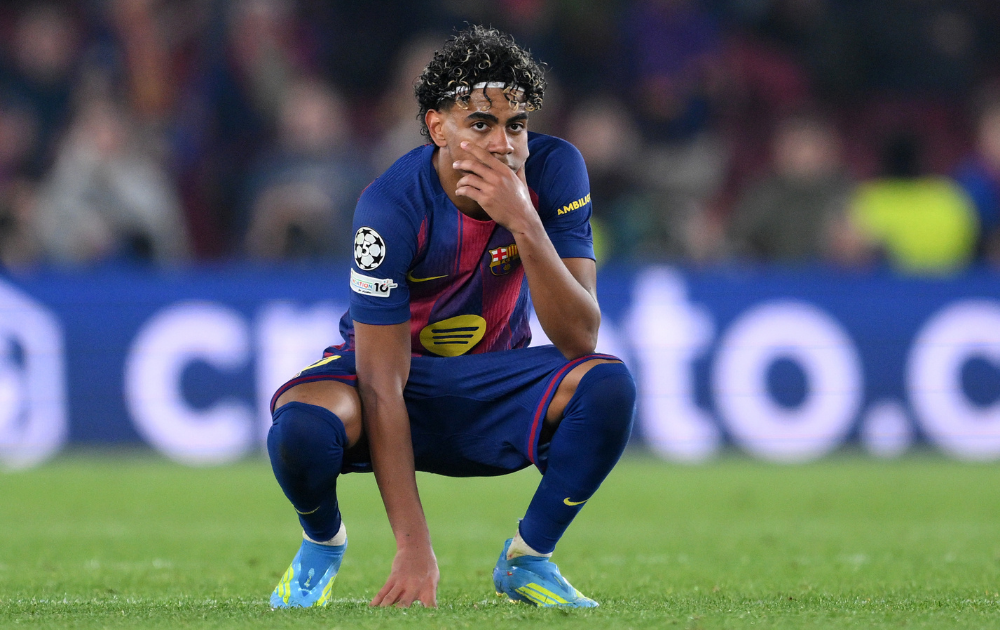
Barcelona's squad depth is useless against Atletico Madrid's dark arts
The Myth of the Deep Bench
We are exactly two weeks away from the Champions League quarter-finals kicking off on April 7th. The discourse right now is completely unhinged. You cannot scroll for five seconds without hitting the prevailing narrative: Barcelona have the deepest squad in Europe, but Atletico Madrid have that mythical Champions League DNA.
Let us unpack that ridiculous statement. Because honestly, it is half true and half absolute delusion.
Let us talk about Barcelona first. The Catalan hype machine is working overtime. If you listen to the local press, this current Barcelona squad is a modern incarnation of the 2011 Dream Team. They boast about their squad depth like it is a shiny new toy.
And look, on paper, it is impressive. Lamine Yamal is doing things at 18 that should be illegal in most European countries. Pau Cubarsi defends like a 35-year-old Italian chain-smoker who has seen the horrors of war. They have Pedri, Gavi, Frenkie de Jong, and a rotating cast of La Masia graduates who all look identical and pass the ball at 100 miles per hour.
If this was a domestic league marathon, Barcelona wins. They have two starting elevens that could easily secure top four in La Liga. Having a deep bench is fantastic when you need to rest players against Mallorca on a rainy Sunday night.
But this is not a simulation. This is the Champions League knockout stages. And Barcelona's recent history in this competition is a recurring nightmare of psychological collapses.
The Ghosts of Europe Past
Depth does not matter when your entire backline forgets how to mark a corner. It means absolutely nothing when your midfield gets bullied by a team of physically imposing, pressing monsters.
Throwing on Ferran Torres in the 75th minute when you need a goal in Europe is like bringing a water pistol to a gang war. Barcelona has bodies, yes. But how many of those players possess the sheer mental fortitude to survive a hostile European away night?
Think back to the last decade. Rome. Anfield. Lisbon. The ghosts of Kostas Manolas and Divock Origi still haunt the corridors of Camp Nou. Do you remember Trent Alexander-Arnold taking that corner quickly? Do you remember the absolute paralyzing fear on the faces of the Barcelona veterans? They had the depth then. They had Messi then. It did not save them from a historic humiliation.
When the pressure ratchets up, Barcelona has a terrifying tendency to fold like a cheap deck chair. Marc-André ter Stegen is a world-class goalkeeper, but watch his eyes when his team goes a goal down in a knockout tie. You can see the flashbacks happening in real time.
You cannot fix that fragility simply by having five talented midfielders sitting on the bench. Mental strength is not something you can sub on.
The Dark Arts Emporium
Now, let us pivot to Diego Simeone's dark arts emporium in the capital. People keep throwing around this phrase: Champions League DNA.
Let us get one thing incredibly straight right now. Real Madrid has Champions League DNA. They actually win the damn trophy. Atletico Madrid does not have Champions League DNA. Atletico Madrid has Champions League trauma.
They have two agonizing final defeats to their biggest rivals. They are the ultimate nearly-men of European football.
But what they do possess is an undeniable, terrifying ability to turn a football match into a grueling street fight. When that dramatic UCL anthem plays, Atletico players undergo a terrifying transformation.
Koke suddenly gains the stamina of an ultra-marathon runner. Jose Maria Gimenez turns into a sentient brick wall that actively despises opposition attackers. Antoine Griezmann floats around the pitch like a poltergeist who only appears to ruin your mood and intercept your passes.
Atletico does not play football in the knockouts. They play psychological warfare. They will sit in a low block for 85 minutes, kick your wingers until their ankles bleed, and then score a scruffy header from a corner. That is not DNA. That is just being the absolute worst team on the planet to play against.
The Art of Suffering
So, who advances when these contrasting philosophies inevitably collide?
Barcelona's kids are undeniably brilliant, but they are still kids. You can have all the squad depth in the world, but if your teenage center-back gets rattled by Rodrigo De Paul screaming in his face after a tackle, you are going to suffer.
Atletico knows how to suffer. In fact, they actively embrace it. Simeone stalks the touchline dressed like a mafia hitman because he wants his team to suffer. He orchestrates the crowd like a deranged conductor. When the Metropolitano is roaring and Simeone is waving his arms like a madman, opposing players literally shrink. You can see their shoulders drop. They stop asking for the ball. They just want the nightmare to end.
He builds his teams to absorb punishment, to weather the storm, and to strike when the opponent is exhausted from trying to break them down.
Barcelona, conversely, wants to play beautiful, expansive football. They want 70 percent possession. They want to walk the ball into the net with a sequence of 45 perfect passes.
In the Champions League quarter-finals, beauty usually gets you a polite pat on the back and a swift exit from the competition.
Look at what Atletico did to Liverpool at Anfield back in 2020. They were battered for 90 minutes. They looked completely finished. And then Marcos Llorente decided to turn into prime Pele for five minutes, and Liverpool were out.
Look at the chaotic, unhinged Battle of Manchester against City where Felipe completely lost his mind and started hacking at Phil Foden. They dragged Pep Guardiola's immaculate machine down into the mud. They lost the tie, but they made City bleed for every single inch of turf, sparking tunnel bust-ups and police interventions.
The Harsh Reality Check
Here is the negative observation that neither fanbase wants to hear.
Barcelona's depth is largely unproven under the brightest lights. Yes, Lamine Yamal is a generational talent, but expecting an 18-year-old to carry the creative burden of a massive club in a European quarter-final is borderline negligent.
And what happens when Lewandowski goes missing? Because let us be honest, the Polish striker has a habit of disappearing in massive knockout games lately.
If the starting plan fails, Hansi Flick's plan B usually involves throwing on more technical midfielders and hoping for a moment of individual magic. That is a risky strategy against a team engineered to destroy space and suffocate playmakers.
On the flip side, Atletico's methods have a hard, unforgiving ceiling. You cannot shithouse your way to the biggest trophy in club football. Eventually, you run into a team that is just as tough but significantly more talented.
Simeone's refusal to evolve his attacking tactics means they often rely on moments of individual brilliance from Griezmann or a chaotic set-piece. When they are forced to chase a game, they often look completely devoid of ideas.
Their supposed DNA gets them to the quarter-finals or semi-finals, but it rarely gets them over the final hurdle.
The Collision Course
We are staring down the barrel of April 7th. These first leg matches are going to be a fascinating, agonizing watch for neutrals.
If Barcelona meets a team like Atletico, we know exactly how the script will read.
Barcelona will pass the ball sideways 400 times around the edge of the penalty area. Atletico will commit 25 tactical fouls, perfectly rotating the perpetrators to avoid yellow cards.
The referee will completely lose control of the match by the 20th minute. Someone is absolutely getting sent off. My money is on Ronald Araujo doing something incredibly reckless out of frustration, or maybe Koke simply existing aggressively near the referee.
If you are trying to predict these ties, do not look at the team sheets or the expected goals stats. Look at the eyes of the players when the pressure hits boiling point.
Barcelona has the supreme talent. They have the sheer numbers and the technical superiority. But Atletico has the thick skin and the deep, ugly scars.
And in the unforgiving arena of the Champions League knockouts, scars usually matter a hell of a lot more than stepovers. Depth wins you leagues. Grit keeps you alive in Europe. We will see which one breaks first.
Read Next
- The one player who will dictate every Champions League quarter-final tie
- Liverpool will absolutely dismantle PSG in the Champions League
- The Champions League quarter-finals are about to get incredibly weird
- Stop Pretending Barca vs Atleti Won't Be an Absolute Bloodbath
- ⚽ La Liga 2025-26 — Title Race Hub
- ⭐ UCL 2026 — Champions League Quarter-Finals Hub
Adidas Unisex-Adult Tiro 23 League Training Jersey
Look sharp, stay cool, and own the pitch just like your favorite Premier League
Frequently Asked Questions
When do the Champions League quarter-finals start?
Who are the key young players in Barcelona's current squad?
Why is Barcelona's squad depth considered insufficient for Europe?
What past European failures haunt Barcelona's current team?
How does Diego Simeone approach Champions League matches?
More Coverage
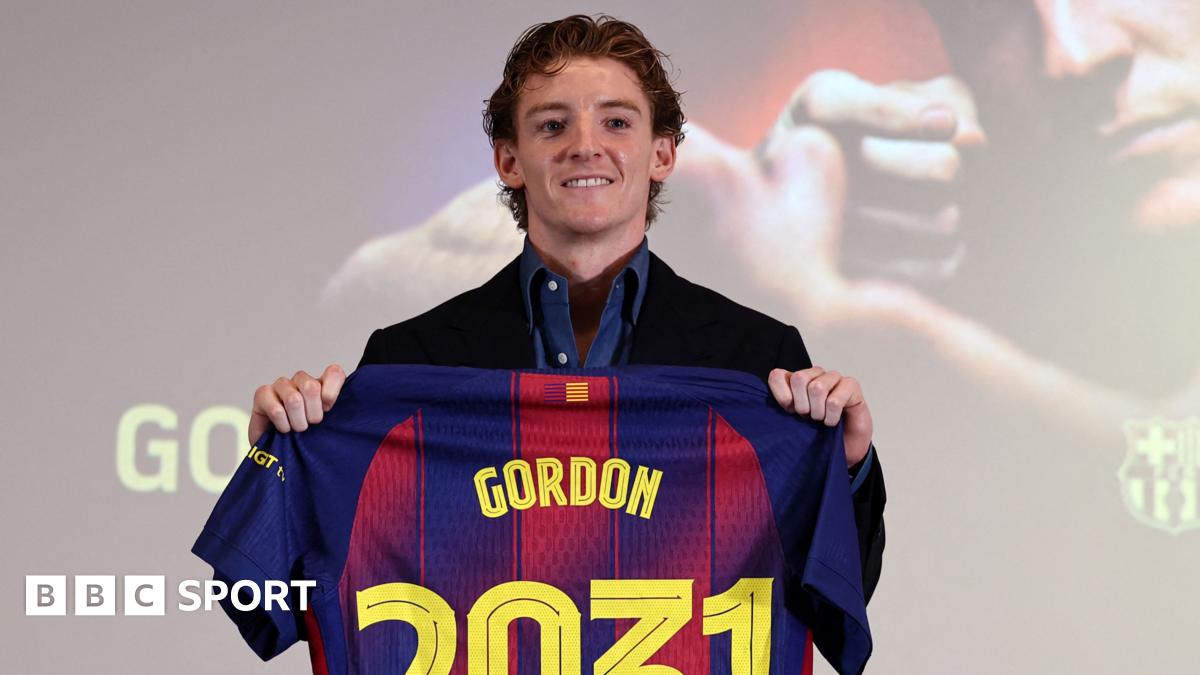
Anthony Gordon to Barcelona is the fever dream that actually happened
6 hours ago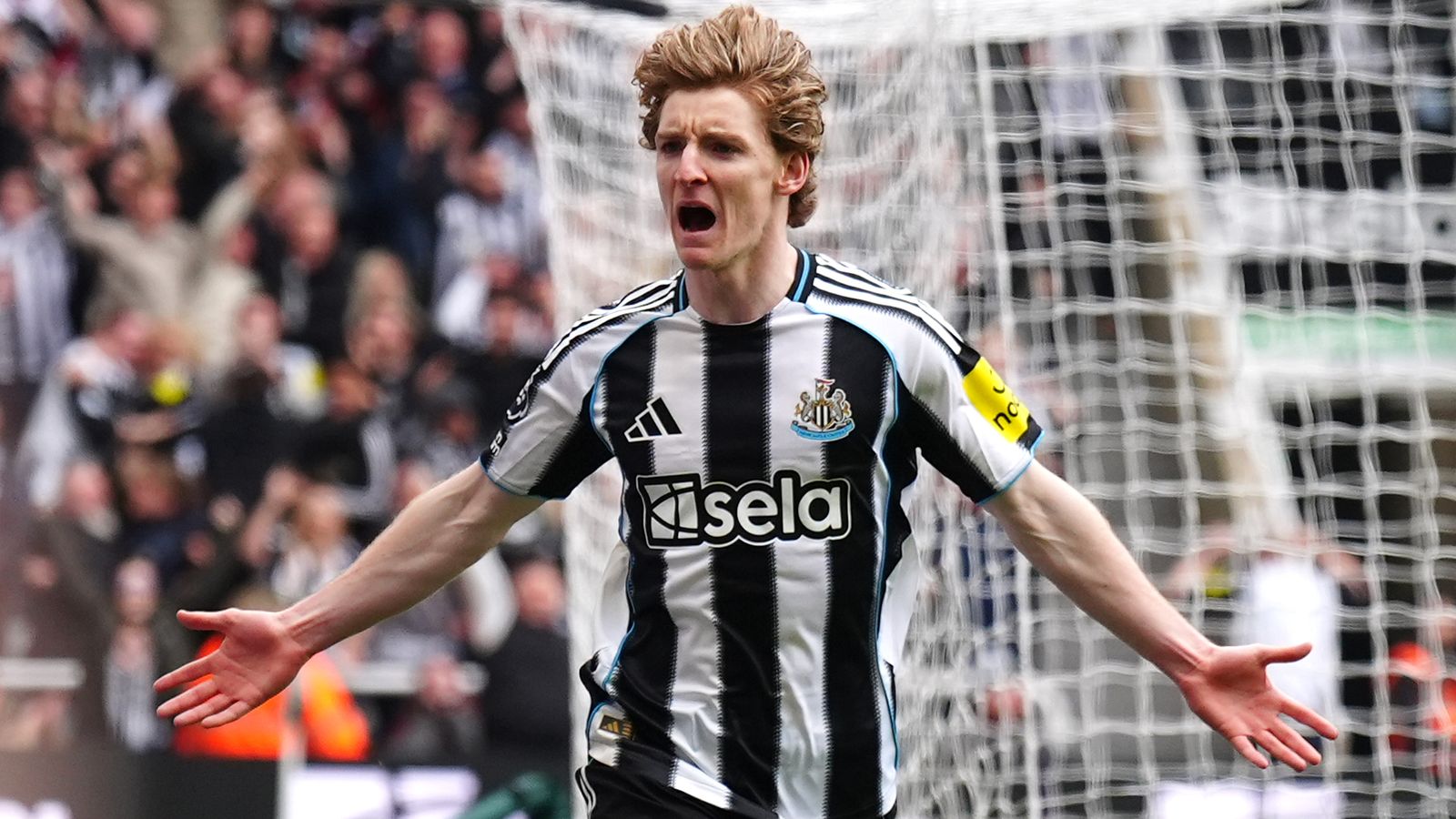
The Anthony Gordon flight to Barcelona is breaking brains
1 day, 21 hours agoWhy Arsenal are built to break PSG in the Champions League Final
5 days, 16 hours ago
Top 10: Pep Guardiola Moments That Redefined Football
5 days, 18 hours agoUli Hoeneß just gave Barcelona the most brutal reality check in football history
5 days, 22 hours agoUli Hoeneß just reminded Barcelona that they are broke and it is glorious
6 days, 2 hours agoMore Analysis
Simeone is going to drag Barcelona into the mud and they aren't ready
2 months ago
Barcelona are walking into a meat grinder at the Metropolitano tonight
1 month, 2 weeks agoDiego Simeone just turned the Montjuïc into a toxic, beautiful crime scene
1 month, 3 weeks agoBarcelona are walking straight into Diego Simeone's Champions League trap
2 months ago