The statistical gap beneath Barcelona's defensive dominance
Barcelona secured the La Liga title this season, but a look at the underlying metrics suggests a team operating with diminishing returns. While the league table reflects a champion, the attacking efficiency has dropped significantly compared to the 2022-23 campaign. The side is currently averaging 1.7 goals per game, a stark decline from the clinical efficiency needed to secure victories without relying on narrow margins.
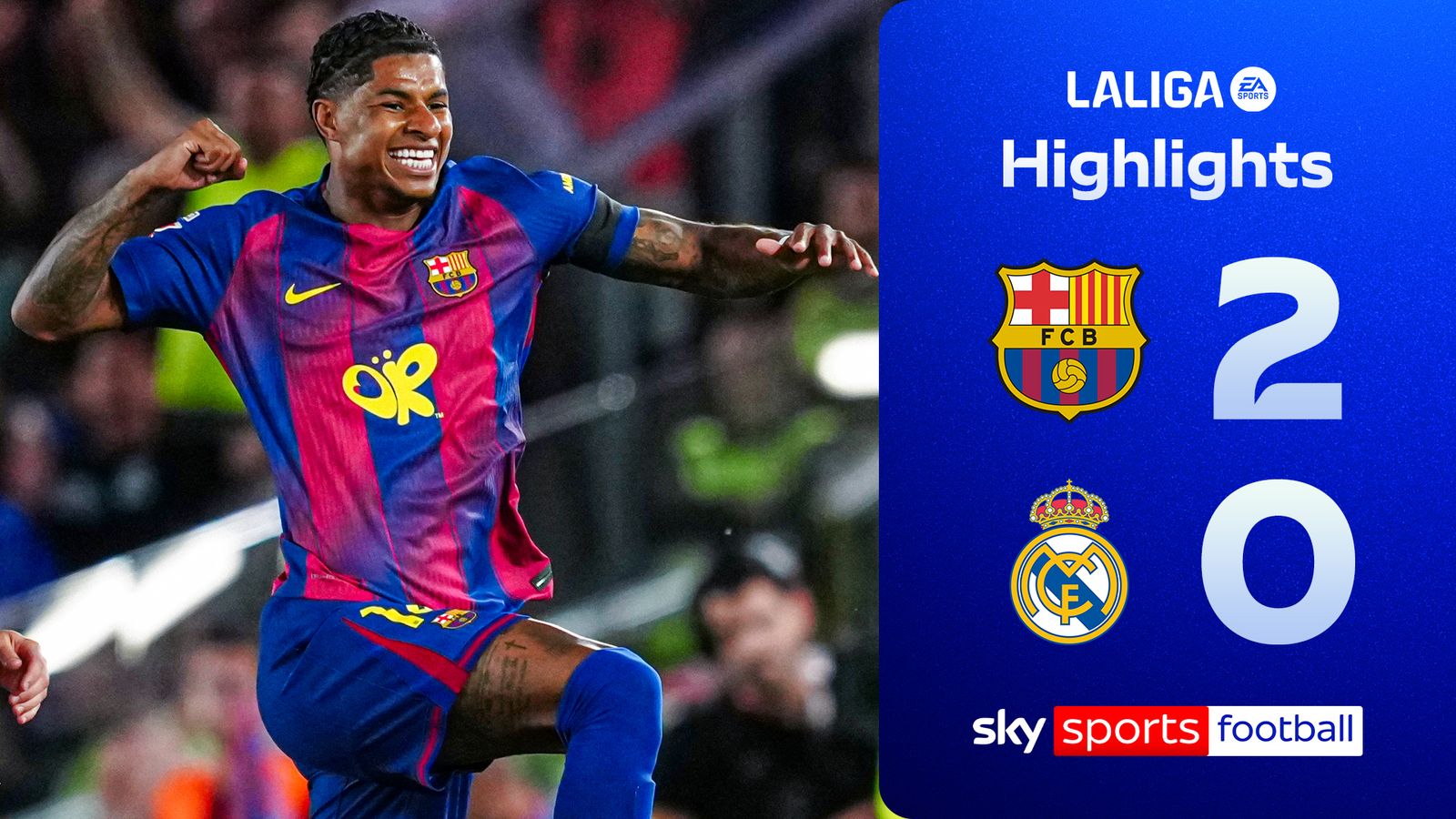
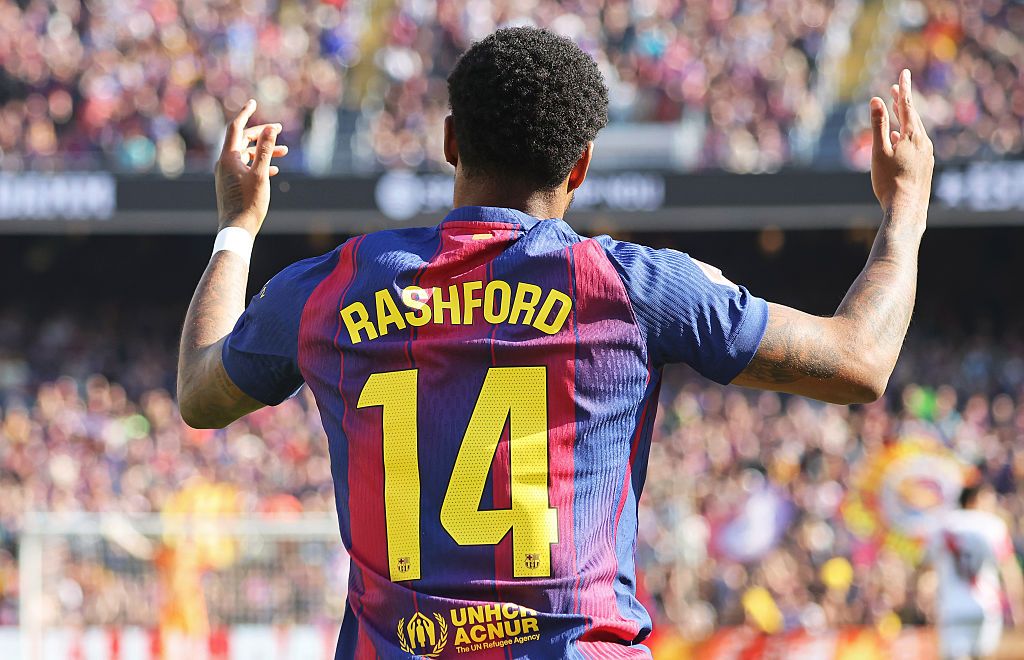
The offensive flow has become predictable. Marcus Rashford, a key addition to the squad, has provided sparks of individual brilliance, yet the team xG (Expected Goals) has stagnated. In high-stakes fixtures, failing to convert transitions into high-percentage shots has left the back line isolated for longer intervals than Xavi likely envisions. This lack of fluidity explains why domestic survival often feels fragile.
Transition hurdles and tactical rigidity
Anthony Gordon recently touched upon the specific challenges of matching Barcelona’s desired speed of play, noting the difficulty of integrating into a system that demands rapid vertical movement. His observation highlights a disconnect between the club's scouting profile and the output seen on the pitch. When you examine the passing networks, the ball circulation remains high, but the progression into the final third lacks the rhythmic acceleration characteristic of previous title-winning iterations.
The data reveals that successful dribbles in the final third have plummeted by 14% since the mid-point of the season. Teams have adjusted their block positioning, forcing Barcelona into lateral recycling rather than central penetration. Tactical discipline against a low block requires more than possession; it requires verticality that currently remains inconsistent.
The hidden cost of defensive reliance
Barcelona has conceded only 21 goals in the league this season, a record that often masks individual tactical errors. This defensive cushion is the only reason the club managed to navigate the schedule without more significant points dropped. However, relying on a 0.56 goals-against-per-game average is a dangerous game for a side that often lacks the cushion of a second goal.
As reported by the Mirror, the integration of new attacking talent like Rashford has forced internal shifts in the depth chart. These moves indicate an attempt to rectify the sluggish transitions witnessed throughout the winter months. If the scouting staff continues to prioritize names over specific positional functionalism, the upcoming summer window will likely produce more administrative friction than squad growth.
Critical points of failure
The reliance on defensive over-performance is unsustainable. In matches where the opponent successfully initiated a high press, Barcelona’s pass completion rate dropped to 78%, well below the 86% season average. This drop indicates a systemic inability to play out of pressure when technical players are bypassed or marked out of the game.
Failure to address this pressing vulnerability will see the team struggle in European competition next season. The championship trophy is currently in the cabinet, but if the underlying stats don't improve, the 2026/27 campaign risks an early exit. Coaching staff have 14 days before the World Cup interrupts the rhythm, giving them a narrow window to redesign the buildup phase.