The Ghost of Lisbon
Here we go again. For Paris Saint-Germain, every Champions League knockout tie feels like a referendum on the entire project, but this one feels different. Heavier. Bayern Munich are not just another opponent; they are a ghost at the feast, the architects of PSG’s most public heartbreak in the 2020 final.
That night in Lisbon, a single Kingsley Coman header was the difference. It was a lesson in clinical efficiency and collective structure against a team of brilliant individuals. Six years later, as they meet in a colossal semi-final, the question is simple: has PSG finally become a team capable of beating not just opponents, but their own history?
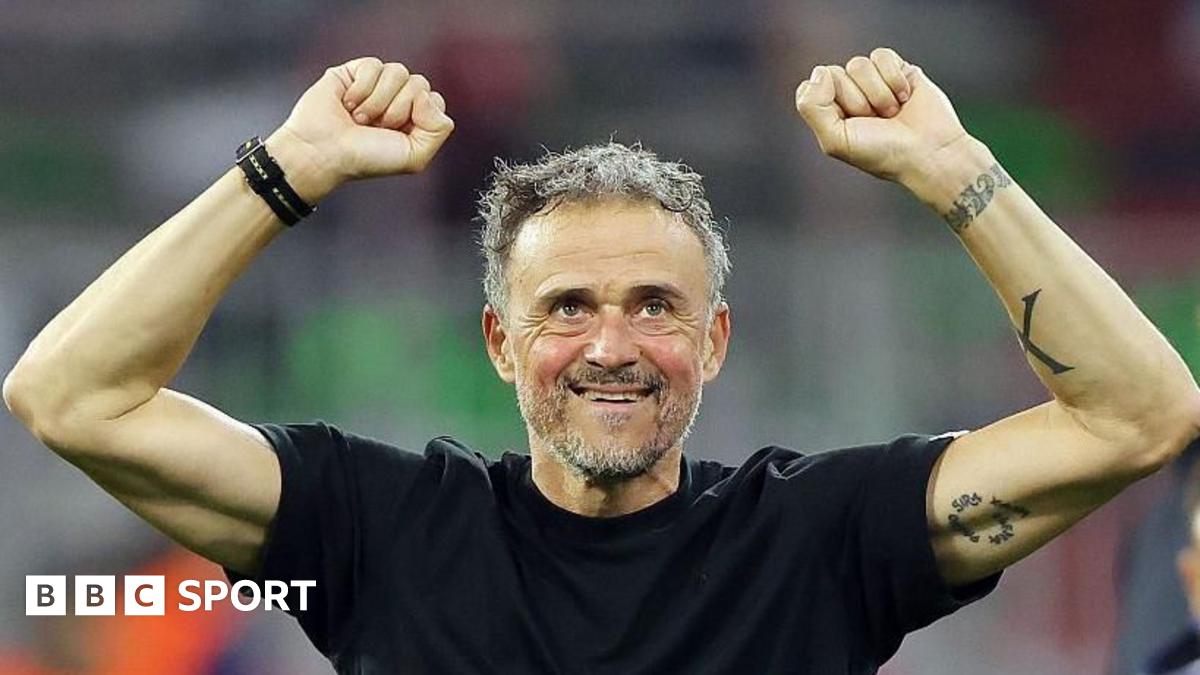
Under Luis Enrique, the Parisian club has embraced a philosophy rooted in possession and suffocating pressure, a departure from the Harlem Globetrotters-style football of years past. For Bayern, now hypothetically steered by the brilliant Xabi Alonso, this is a meeting of near-identical ideologies. It promises a chess match of the highest order, where space is the ultimate currency and a single mistake can be fatal.
Mbappé vs. The Alonso Machine
The entire contest boils down to one tactical equation: can Bayern’s systematic control contain the atomic chaos of Kylian Mbappé? Under Alonso, Bayern have evolved into a positional play machine, mirroring the fluid, intelligent system he perfected at Bayer Leverkusen. Expect a 3-4-2-1 structure that morphs and adapts, using wing-backs to create overloads and dominate possession, with a staggering 91% pass completion rate in their own half during the knockouts.
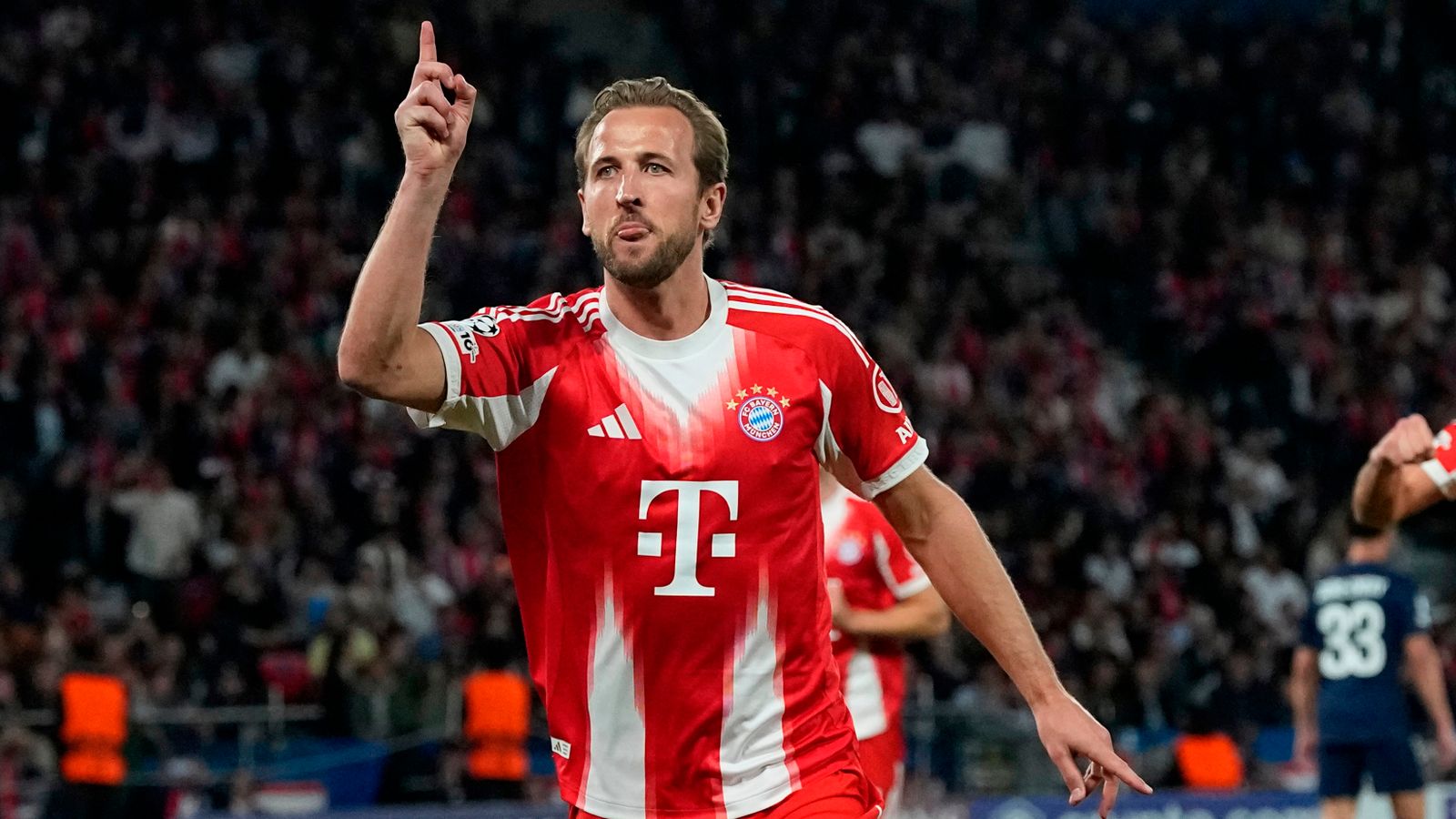
Their goal is to starve you of the ball, to methodically walk you into their half before unleashing the two creative demons, Jamal Musiala and Leroy Sané, to operate in the pockets of space behind the peerless Harry Kane. It is beautiful, it is suffocating, and it is built on a high defensive line. And that is where the gamble lies.
A high line against Kylian Mbappé is the football equivalent of playing with fire. Luis Enrique knows this. PSG’s entire strategy will be predicated on withstanding the Bavarian press and finding the moment to release their superstar into the vast green space behind Bayern’s back three. Ousmane Dembélé’s role on the opposite flank becomes critical. He isn't just a supporting actor; his ability to beat a man one-on-one ensures Bayern cannot simply tilt their entire defense to shade Mbappé’s side of the pitch.
The duels will be fascinating. Alphonso Davies, a player with the recovery pace to theoretically live with Dembélé, versus Nuno Mendes on the other side. But the key battle is Mbappé against whichever defender is tasked with managing that right-sided channel—likely Dayot Upamecano, a player whose supreme physical gifts are matched only by his occasional, calamitous lapses in concentration. That is the mismatch PSG will hunt from the first minute.
The Engine Room War
For all the attacking firepower on display, this tie will be won and lost in the center of the pitch. It is here that the ideological battle between Enrique and Alonso will manifest most clearly. The contest pits PSG’s young, dynamic pairing of Vitinha and Warren Zaïre-Emery against the seasoned masters of midfield control, Joshua Kimmich and Leon Goretzka.
Vitinha has been PSG’s unsung hero this season, the metronome of Enrique’s system. His ability to resist the press and recycle possession with relentless accuracy allows PSG to breathe. Alongside him, Zaïre-Emery provides the legs, the engine, the box-to-box running that disrupts opposition rhythm. They represent the new PSG: technically secure, tactically intelligent, and hungry.
They will be tested like never before. Kimmich is not just a defensive shield; he is Bayern’s deep-lying playmaker, the man who dictates the tempo and angle of every attack. Goretzka provides the physical power, the late runs into the box, and the sheer force of will that has defined Bayern in Europe for a decade. If Kimmich and Goretzka establish control, they can suffocate Vitinha and cut off the supply line to the front three. If PSG’s duo can play through them, they can expose Bayern's high line. It's that simple, and that complicated.
The Critical Flaw
For all their progress, PSG have not yet proven they can handle the suffocating pressure of a Champions League away leg against a fellow giant. They have shown fragility before, a tendency to concede in clusters when put on the back foot. The Parc des Princes is a fortress, but the true test of this team’s maturity will come in Munich. Enrique’s side can sometimes look bereft of a Plan B when their possession game is disrupted; they can be bullied. Tonight, they have the comfort of home, but the slightest crack will be noted and exploited in the return leg.
Bayern’s weakness is the flip side of their strength. Alonso’s commitment to his high line is admirable, but it's a tightrope walk without a net. They have conceded goals in the Bundesliga this season by being overly aggressive, caught in transition by teams with a fraction of PSG’s attacking talent. Harry Kane has been a phenomenon, with 42 goals in all competitions, but the service can dry up if their midfield is bypassed and the defense is forced to scramble. They are built to control, not to chase.
Prediction
This will be a tense, tactical affair, not a wild goal-fest. Both coaches respect each other too much to be reckless. Bayern will dominate possession for long stretches, probing and testing PSG’s defensive shape. But playing at home, with the memory of past failures as fuel, PSG will have moments of explosive transition. Dembélé will cause problems, and at some point, Mbappé will get the one-on-one chance he craves.
Bayern are good enough to score an away goal, likely through the sheer predatory instinct of Kane. But PSG, knowing they need a cushion to take to Germany, will throw everything at the final 20 minutes. I expect them to find a late winner, but it won't be enough to feel comfortable. PSG 2-1 Bayern Munich
Read Next
- Harry Kane is at a career crossroads and nobody is talking about it
- Nobody can agree if this new-look PSG is brilliant or completely doomed
- Harry Kane remains committed to Bayern Munich despite contract chatter
- Guardiola's tactical gamble meets Bayern's chaos tonight
- 🏴 England World Cup 2026 — Three Lions Hub
- ⚽ Ligue 1 2025-26 — PSG, Monaco & the Title Race Hub
- ⭐ UCL 2026 — Champions League Quarter-Finals Hub