
Bayern Munich’s kit design philosophy is losing its edge
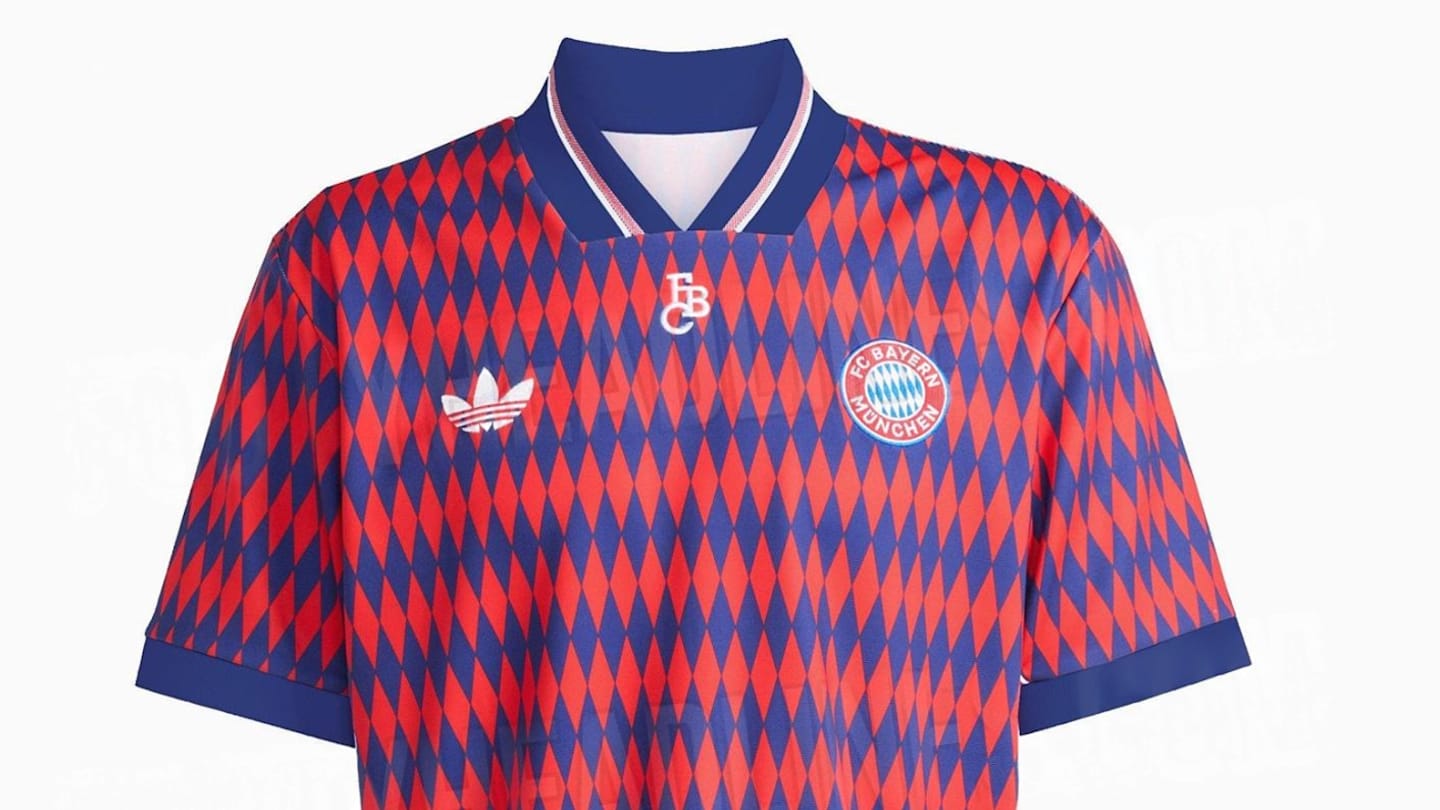
The aesthetic fatigue of modern football
Football clubs have transformed into lifestyle brands, and Bayern Munich is leading the charge toward a sanitized, repetitive future. The latest leaks regarding the 2026 retro-inspired kit suggest a club leaning heavily on nostalgia to mask a lack of genuine creative risk. While the 90min report highlights the aesthetic appeal of these adidas designs, one has to wonder if we are witnessing the death of original kit identity.
The Bavarian giants are currently trapped in a cycle of recycling past glories. By constantly mining the archives for inspiration, the club avoids the scrutiny that comes with bold, modern experimentation. It is a safe bet for the marketing department, ensuring that the 2025/26 season sales remain steady among the traditionalist fan base.
Design by committee
There is a mechanical feel to these releases that strips away the soul of the shirt. When a kit is designed to strictly evoke a specific decade, it ceases to be a piece of sportswear and becomes a costume for the stands. The reliance on the club crest and architectural nods to the Allianz Arena feels like a checklist of fan-service tropes rather than a coherent design language.
This approach ignores the reality of how these jerseys function on the pitch. A kit should feel like an extension of the team’s current identity, not a museum exhibit. When players trot out in gear that looks like it belongs in a vintage shop, the disconnect between the current squad and the history they are meant to uphold becomes glaringly obvious.
The danger of looking backward
Clubs like Bayern operate with massive budgets, yet the output often feels stagnant. The pursuit of the 'classy' aesthetic—a word used frequently to describe these new leaks—often acts as a shield against criticism. If a design is 'classy,' it is inherently beyond reproach, even if it lacks the personality required to define an era.
The 1990s and 2000s were periods where kit manufacturers experimented with textures, collars, and daring color palettes. Today, we are served a diet of minimalist templates that prioritize brand consistency over visual impact. It is a corporate strategy masquerading as a tribute to heritage.
The bottom line
Financial performance is the primary driver here, and the club’s board understands that nostalgia sells better than innovation. However, a fan base is not just a collection of consumers waiting for the next retro drop. They are the primary stakeholders in the club's visual culture, and they deserve more than just a recycled pattern from three decades ago.
If the club continues to favor safe, retro-coded releases, they risk alienating the younger generation of supporters who value novelty and disruption. A kit should be a statement, not a souvenir. Until Bayern moves beyond the comfort of the archive, their apparel will continue to feel like a missed opportunity to define the next decade of football fashion.
Read Next
- When streetwear ego meets the pitch: The BAPE x adidas experiment
- Bayern Munich are making the Bundesliga title race look like a formality
- Bayern Munich are turning the Bundesliga title race into a foregone conclusion
- The 2026 Champions League semi-finals are a tactical nightmare for the old guard
- ⭐ UCL 2026 — Champions League Quarter-Finals Hub
Nike Charge Soccer Shin Guards
Protect your shins without breaking the bank. Simple, effective, classic.
Frequently Asked Questions
What is the primary criticism of Bayern Munich's 2026 kit designs?
Why does the article argue that retro kits feel like costumes?
How does Bayern Munich's board justify the use of retro designs?
What risk does Bayern Munich face by focusing on past designs?
How do modern kit releases differ from those in the 1990s and 2000s?
More Coverage

Barcelona and Newcastle are playing a high-stakes game of chicken with Gordon
2 days, 12 hours ago
Top 10: The Definitive Kit Power Rankings for 2026
2 days, 12 hours ago
Arsenal must offload their most volatile asset to fund a record summer move
2 days, 14 hours ago
Anthony Gordon has the market in a chokehold
2 days, 14 hours ago
Real Madrid vs. Bayern Munich: Why the UCL Final is a tactical trap
3 days, 6 hours agoWhy Harry Kane's latest hat-trick officially buries the Tottenham curse
5 days, 18 hours agoMore Match Reports

Bayern Munich’s leaked 2026 kit is a masterclass in nostalgia
2 months, 1 week ago
Liverpool’s 2025 kit leak proves nostalgia is the only currency left
2 months, 1 week ago
Nike and Adidas dropped the World Cup kits and they are absolute trash
1 month, 4 weeks ago
Why fashion brands are obsessed with football's aesthetic nostalgia
2 months, 1 week ago
World Cup 2026 kit reveals are a masterclass in corporate greed
1 month, 4 weeks ago