The Champions League final outlier
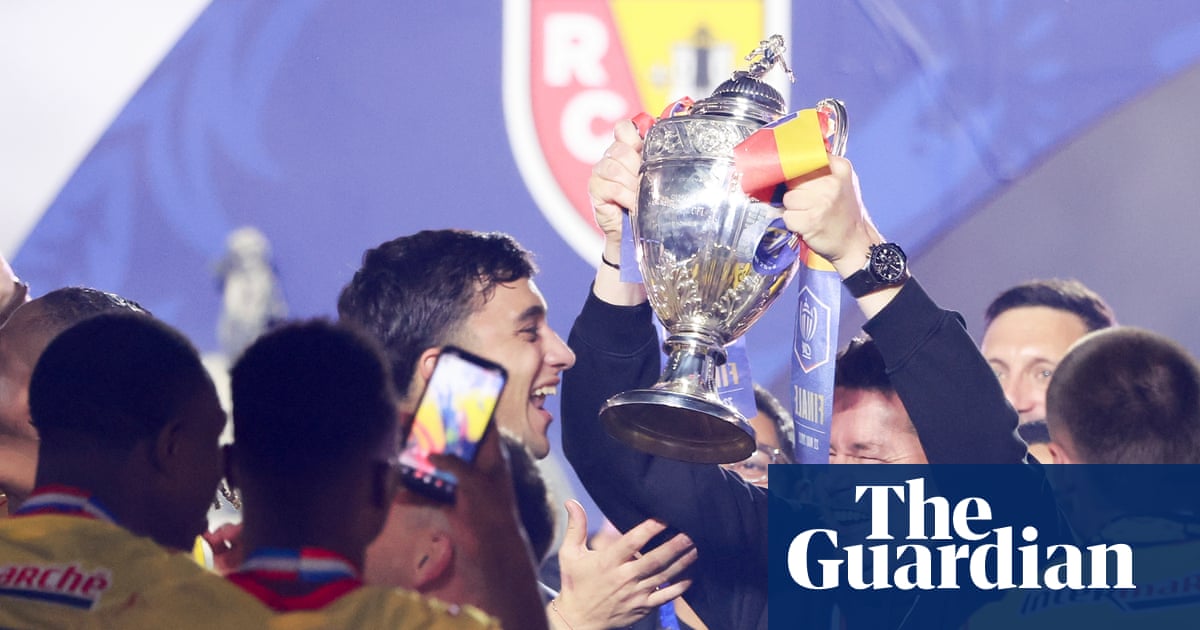
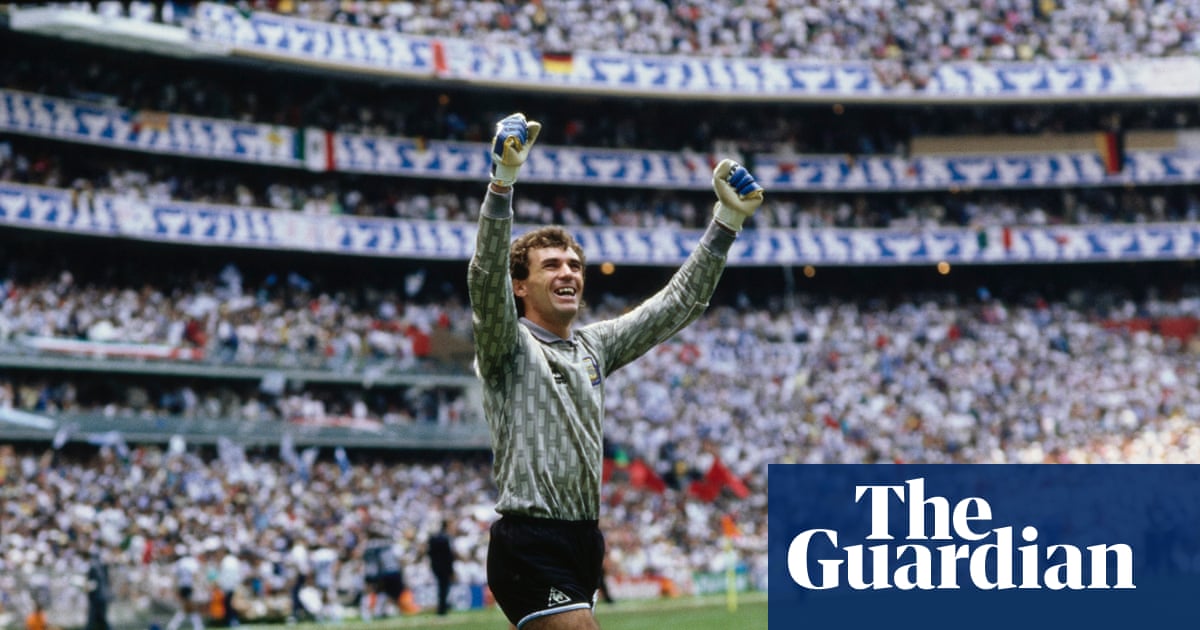
Watching Matvey Safonov lift the Champions League trophy without recording a single save across 120 minutes and a shootout is the kind of statistical oddity that breaks brains. It confirms, once again, that cup football is often less about systematic excellence and more about variance management. As The Guardian recently noted, the keeper completed the match entirely untested while his side claimed the biggest prize in club football.
Statistical models love to lean on xG and controlled metrics, but this performance is the ultimate black swan. You cannot build a winning strategy on the hope that your opponent misfires every single shot. While the narrative focuses on the result, the underlying reality is that Safonov was a passenger in a game defined by total defensive containment. It is unsustainable for any squad.
Predicting the impact on summer recruitment
With the World Cup kicking off in 8 days, managers are currently agonizing over whether to prioritize reactive shot-stopping talent or players optimized for build-up play. If the final proved anything, it is that elite teams now value positional discipline over traditional reflex saves. Expect teams to chase defensive structures that prioritize limiting high-quality chances rather than relying on individual interventions.
The current market trend suggests a move away from keepers who simply make highlight-reel saves. We are entering an era of the 'managerial goalkeeper,' where the primary requirement is the ability to maintain shape during high-pressing phases. Teams that fail to pivot toward this distribution-heavy model will find themselves leaking goals in the opening group matches of the tournament.
The upcoming World Cup reality check
My prediction for the tournament is that we see an immediate correction. High-pressing nations will exploit keepers who aren't comfortable on the ball, leading to a surge in goals derived from high-turnover scenarios. Safonov's outcome was an anomaly, not a blueprint for future tactical success in international tournaments.
Critics might point to defensive cohesion as the key, but the data rarely supports clean sheets without active goalkeeping involvement. I anticipate that keepers attempting to replicate this passive approach during the World Cup will be punished by clinical attacking lines. The gap between a tactical masterclass and a total defensive collapse is remarkably narrow when stats are stripped away.
We should expect a 30% decrease in the usage of long-ball tactics, as possession-based teams will look to control the tempo from the back. The tournament will be defined by which sides can transition effectively from defensive blocks into clinical counter-attacking patterns. Expect a focus on transition speed rather than deep-block stability as teams push for early advantages.
Read Next
- Arsenal must shake the penalty shootout ghost before the World Cup
- England’s World Cup prep hinges on Jordan Henderson’s Florida vision
- England's World Cup preparation goes sideways before kickoff
- Top 10: Iconic Football Moments of the Modern Era
- 🏆 World Cup 2026 — Full Coverage Hub
- ⭐ UCL 2026 — Champions League Quarter-Finals Hub